Locally guided Tanzania safaris, beach escapes, and tailor-made adventures.

South & Coast

3 Days Fly-In Safari Nyerere National Park (former Selous G. R.)

<ul> <li>Still relatively unspoiled and an insider tip</li> <li>Undisturbed safaris due to fewer tourists</li> <li>Enjoy the variety of game viewing safari activities by boat, 4x4 or on foot</li> <li>Large lakes and rivers</li> <li>Experience magnificent safari animals and landscapes</li> <li>Perfect spot for ornithologists</li> </ul>

<ul><li>The best time to visit the Southern Circuit National Parks is during the dry season from June to October. It is the best time for wildlife viewing because the vegetation is less dense. the temperature is hot and dry during the day, cooler at night. </li><li>From November to February It becomes more sultry and greener. </li><li>Rainy season is from March to May routes are almost impassable and lodges and camps very often closed.</li></ul>

Detailed Overview

Nyerere National Park (before Selous G.R.) is one of the spectacular southern circuit game reserves of Tanzania which is still relatively undisturbed by human impact.

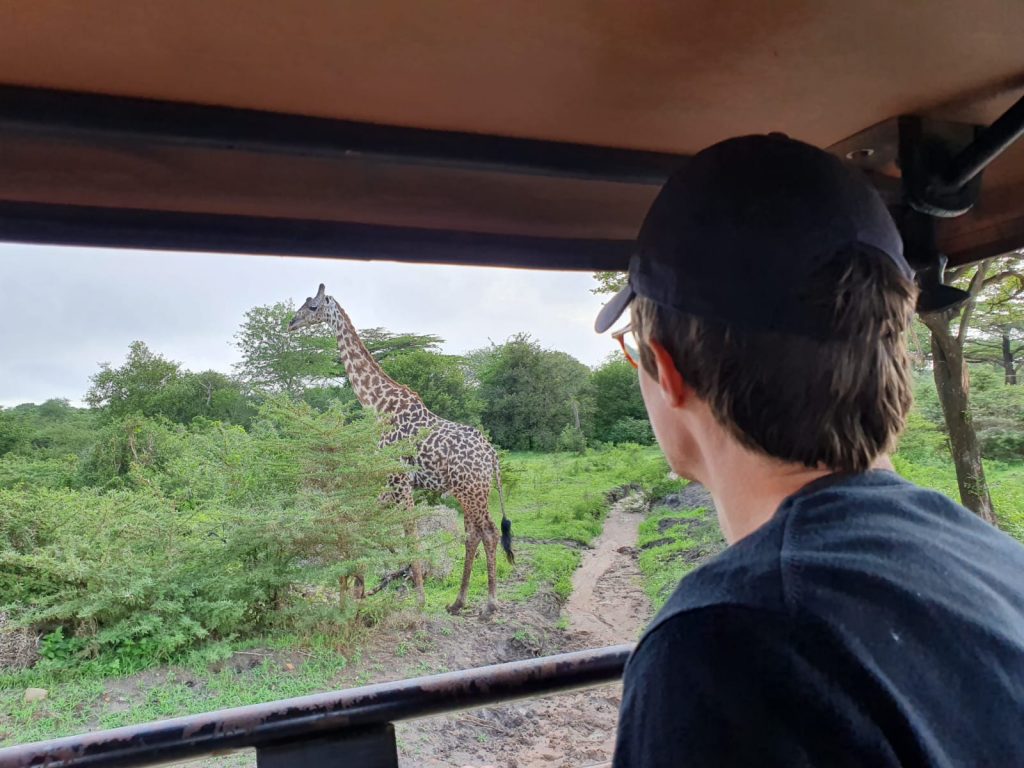
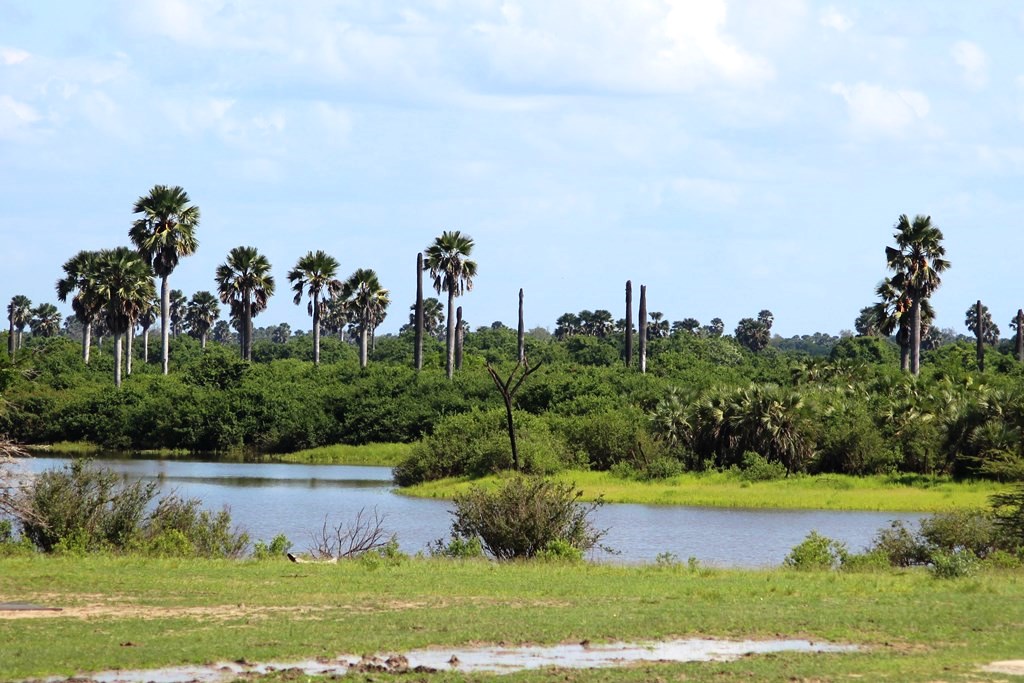
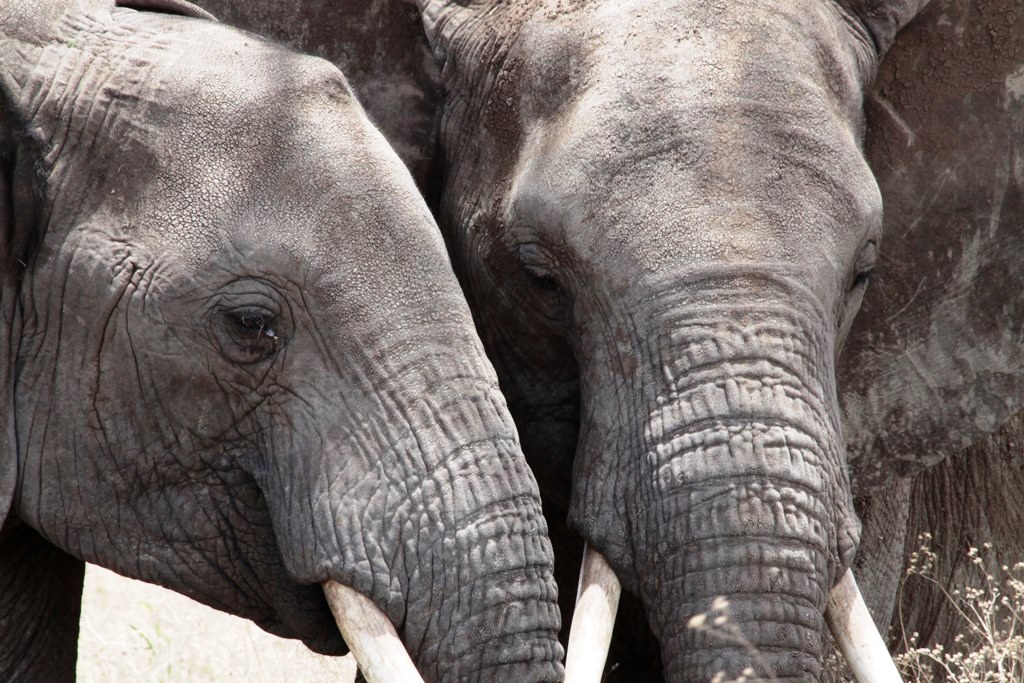
Almost all of Africa’s famous animals can be found in Nyerere National Park, including varieties of birds and reptiles. The population of African wild dogs is the largest on the entire continent with 1300 animals and there are approximately 3,700 lions – one of the largest populations in Africa and furthermore the park is home to more than half of Tanzania’s elephant population. Nyerere National Park has a great variety of habitats such as swamps, open grassland, riverine forests and the Miombo woodlands with impressive baobabs and acacia trees as well doum- and borassus palms up to 30 meters high and mango trees can also be found in well-watered places. The Rufiji River with his numerous side arms and large lakes forms a labyrinth with islands, sandbars and lagoons. Crocodiles sunbathe on their banks and hippos wallow in the muddy water. That’s why Nyerere National Park was already declared a World Heritage Site by UNESCO in 1982 and the UN ranks Nyerere National Park among the 25 most biodiverse regions in the world.

Package Inquiry

Repeat the conversion point at the moment interest is highest.

This section is placed after the main content so visitors can ask about dates, travelers, accommodation level, or pricing once they understand the trip.

Inquiry

Ask about 3 Days Fly-In Safari Nyerere National Park (former Selous G. R.)

The form can connect to your preferred plugin shortcode, or use the built-in fallback email handler.

Related Packages

More routes travelers often compare

5 Days Chimpanzee Tracking & Lake Tanganyika activities

West

5 Days Chimpanzee Tracking & Lake Tanganyika activities

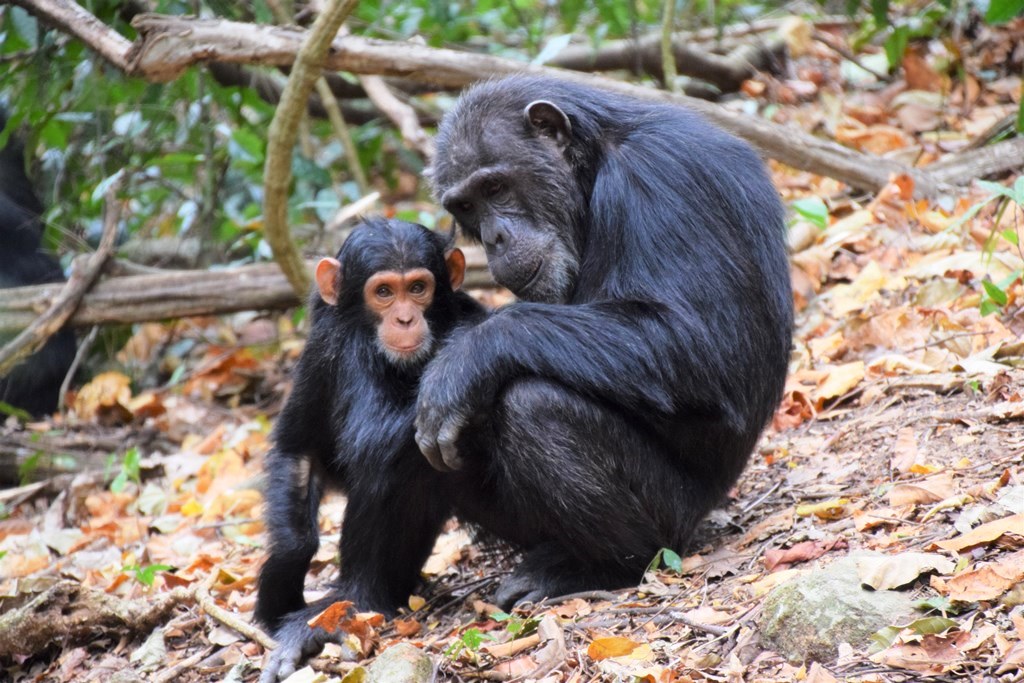
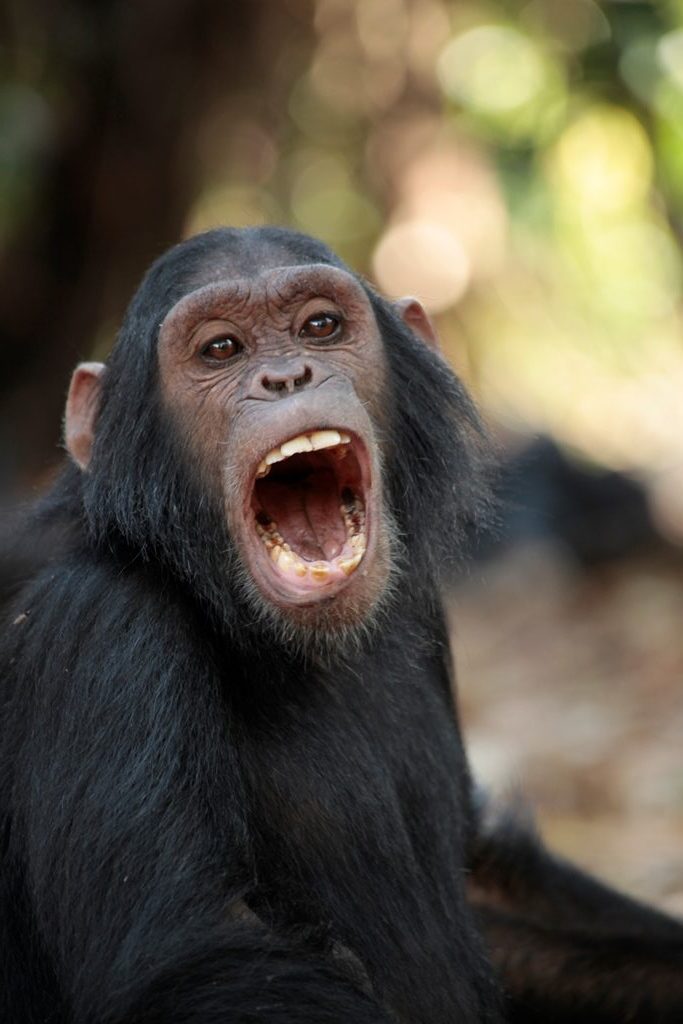
<ul> <li>Experience wild chimpanzees in their natural environment</li> <li>Boat trip on the second deepest and largest freshwater lake in the world</li> <li>Enjoy clear Water & relax on fine sandy beaches</li> <li>Do activities like Boat trips, fishing, kayaking or snorkelling</li> </ul>

Best Time: <ul><li> Mahale Mountains National Park can be visited throughout the year. </li><li>The best time to visit is in the long dry season from June/July to October when the chimpanzees tend to come closer to the shore. Otherwise you have to walk longer distances to see them</li></ul>
View Package
4 Days Chimpanzee Encounter Gombe Stream N. P. & Historical Tour

West

4 Days Chimpanzee Encounter Gombe Stream N. P. & Historical Tour

<ul> <li>Experience wild chimpanzees in their natural environment</li> <li>Boat trip on the second deepest and longest freshwater lake in the world</li> <li>Enjoy the beach and the evening starry sky above Lake Tanganyika</li> <li>Take a brief look at the history of the city of Kigoma and the village of Ujiji</li> </ul>

Best Time: <ul><li> Tracking chimpanzees in Gombe national park is possible all year round. However, there is a better chance of finding them quickly towards the end of the dry season, which lasts from July to October, as they tend to be on the lower slopes. In the rainy season, it can take three to four hours to find them. The wet season is from November to April. </li><li>The only private lodge in the park is closed from March to April.</li></ul>
View Package
3 Days Wildlife & Hiking – Mikumi National Park & Udzungwa Mountains National Park

South & Coast

3 Days Wildlife & Hiking – Mikumi National Park & Udzungwa Mountains National Park

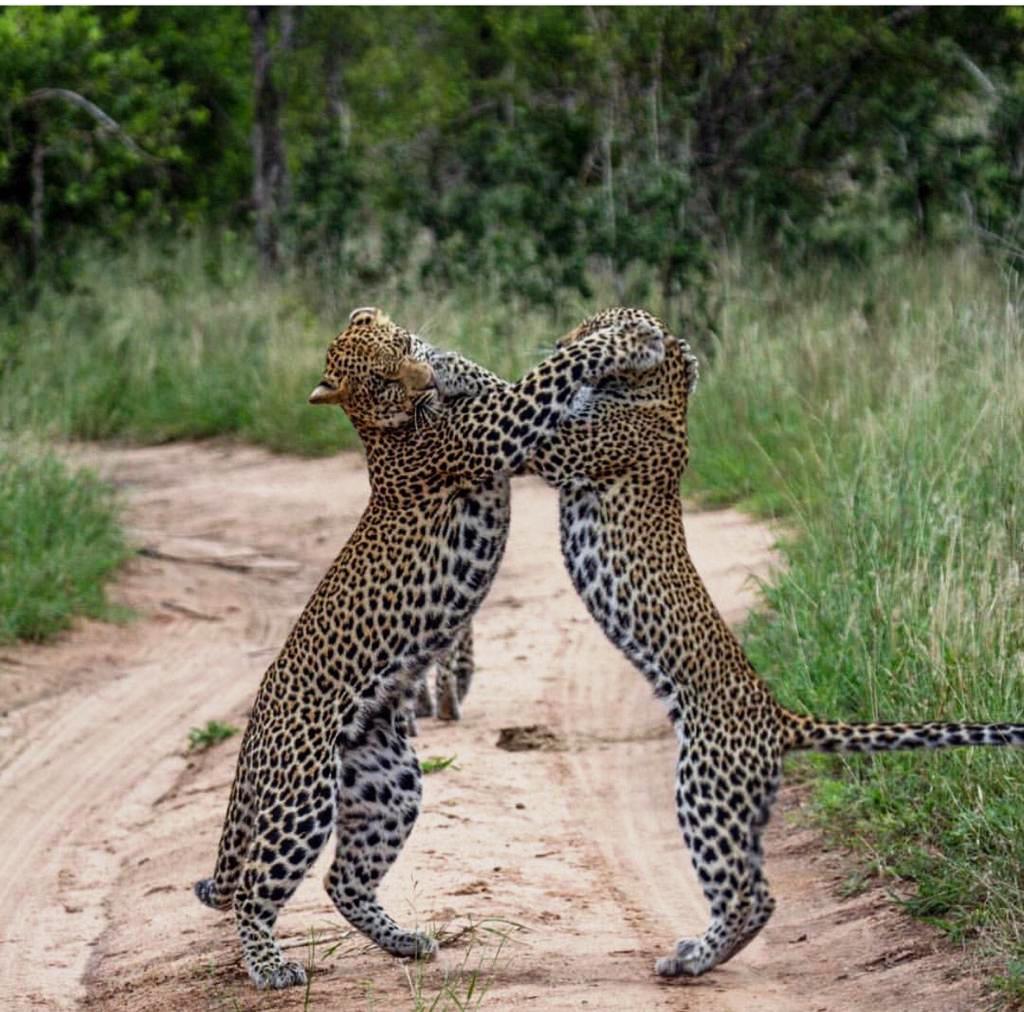
<strong>Mikumi National Park</strong> <ul> <li>Discover the rich wildlife of the Mkata floodplains, home to four of the big five: leopards, lions, elephants, buffaloes</li> <li>Popular for sightings of the world’s largest antelope – the eland</li> <li>Has a wide variety of vegetation types, woodland, swamp and grassland</li> <li>Enjoy the glorious sunrise and sunset.</li> </ul> <strong>Udzungwa Mountains National Park</strong> <ul> <li>Often referred to as "The Galapagos Islands of Africa" because of its biodiversity and endemism.</li> <li>Trails with spectacular views</li> <li>Swimming in the plunge pools of the gorgeous waterfalls</li> </ul>  

Best Time: <ul><li>The best time to visit the Southern Circuit National Parks is during the dry season from June to October. It is the best time for wildlife viewing because the vegetation is less dense. The temperature is hot and dry during the day, cooler at night. </li><li>From November to February It becomes more sultry and greener. </li><li>Rainy season is from March to May routes are almost impassable and lodges and camps very often closed. </li><li>The year-round temperature at the Udzungwa Mountains Nationa Park is pleasant, with the higher temperatures occurring around October to March and the coolest temperatures occurring around May to July. most of the long rainfall occurs from March to May</li></ul>
View Package