Locally guided Tanzania safaris, beach escapes, and tailor-made adventures.

South & Coast

21 Days The best of Western & Southern Tanzania with Mafia Island

<ul> <li>Explore Tanzania’s largest thriving tropical metropolis Dar es Salaam</li> <li>Experience wild chimpanzees in their natural environment</li> <li>Explore the pristine wilderness and unique scenic diversity of these relatively unspoiled parks</li> <li>Undisturbed safaris due to fewer tourists</li> <li>Different types of game viewing safaris by boat, 4x4 or on foot</li> <li>Home to a large elephant population, large prides of lions and over 500 bird species</li> <li>Best place to see wild dogs</li> <li>Visit the Stone Age ruins of Isimila</li> <li>Enjoy biodiversity and endemism, spectacular views and gorgeous waterfalls in the Udzungwa mountains</li> <li>Enjoy watersports, beautiful marine life and historic ruins on Mafia Island</li> <li>Relax in a tropical paradise, with white sand beaches, turquoise waters and palm trees</li> </ul>

<ul> <li> In general, the best time to travel is June to October. </li> <li> Chimpanzee trekking in Gombe National Park is possible all year round. However, there's a better chance of finding them quickly towards the end of the dry season, which runs from July to October, as they tend to be on the lower slopes. In the rainy season it can take three to four hours to find them. The rainy season is from November to April. </li> <li> The best time to visit the southern national parks is during the dry season from June to October. It is test time for wildlife viewing as the vegetation is less dense. The temperature is hot and dry during the day and cooler at night. </li> <li> From November to February it gets more humid and green. </li> <li> The rainy season is from March to May. The routes are almost impassable and the lodges and camps are very often closed. </li> <li> Mafia Island has two dry seasons: January / February and July to October </li> <li> However, as in other parts of the world, there are more and more shifts in the rainy season in East Africa</li> </ul><ul> <strong><span style="color:red;"> For activities: </strong> </li> <li> The best visibility for diving is from October to February and from June to September in Chole Bay </li> <li> Swim with whale sharks: October to April </li> <li> Humpback whale watching: July to August </li> <li> Baby turtles start hatching: June to August </ul> </li>

Detailed Overview

Dar es Salaam is Tanzania’s most important city and the economic and cultural center of Tanzania. Dar’s name translates to the ‘Place of Peace’. It started life as a fishing village in the mid- 19th century, when the Sultan of Zanzibar developed a creek (now a harbor) into a safe port and trading center. Now it’s a teeming metropolis of 5.5 million people where Arab dhows mingle with huge ocean-going vessels.

For those who want to avoid crowds of tourists and experience a safari adventure “off-the-beaten-track”, the southern safari circuit would be perfect for that. The parks included in the southern safari circuit are Nyerere National Park (before Selous G. R.), which has been a World Heritage Site due to its biodiversity since 1982, Ruaha National Park, Mikumi National Park, and Udzungwa Mountains National Park. The parks in this region are huge, unspoiled, remote and are full of a spectacular diversity of wildlife and they offer exceptional birding opportunities. In Nyerere National Park you can find the world’s densest population of the last remaining African wild dogs and there are approximately 3,700 lions – the largest population in Africa. Ruaha National Park, one of Tanzania’s and East Africa’s largest parks, is home to one of the largest elephant populations in the world and is a bird-watching paradise with about 500 species of birds. The source of life for this park is the Great Ruaha River, which attracts large herds and therefore many predators to its banks during the dry season. The southern circuit offers activities that cannot be experienced in the north. For example, guided walking tours, that give you a chance to get closer to nature and boat safaris, like in Nyerere National Park where the Rufiji River with its numerous side arms and large lakes forms a labyrinth with islands, sandbars and lagoons and you can see crocodiles sunbathe on their banks and hippos wallow in the water. The landscape of the Mikumi N. P. is often compared to that of the Serengeti and is considered one of the best observation areas for the biggest antelope in the world – the eland antelope. And finally, the Udzungwa Mountains National Park, which is a part of 34 biodiversity hotspots due to its rich levels of biodiversity and endemism. Its massive forest panoramas and variety of gorgeous waterfalls are a great draw for trekkers. The park is home of an important population of primates, including the Sanje Mangabey and the Iringa Red Colobus, which you can find only here. There are 2500 plant species, 25% of which are endemic, and over 400 different bird species have been counted. On the way to Ruaha Nationalpark you can visit the “Isimila Stone Age Site” and the museum with small, well-captioned displays highlighting some of the discoveries. You walk through ancient canyons and pillars. Fossilized bones of mammals; an extinct hippopotamus and over 60.000 years old tools are some of the stone age finds found here.

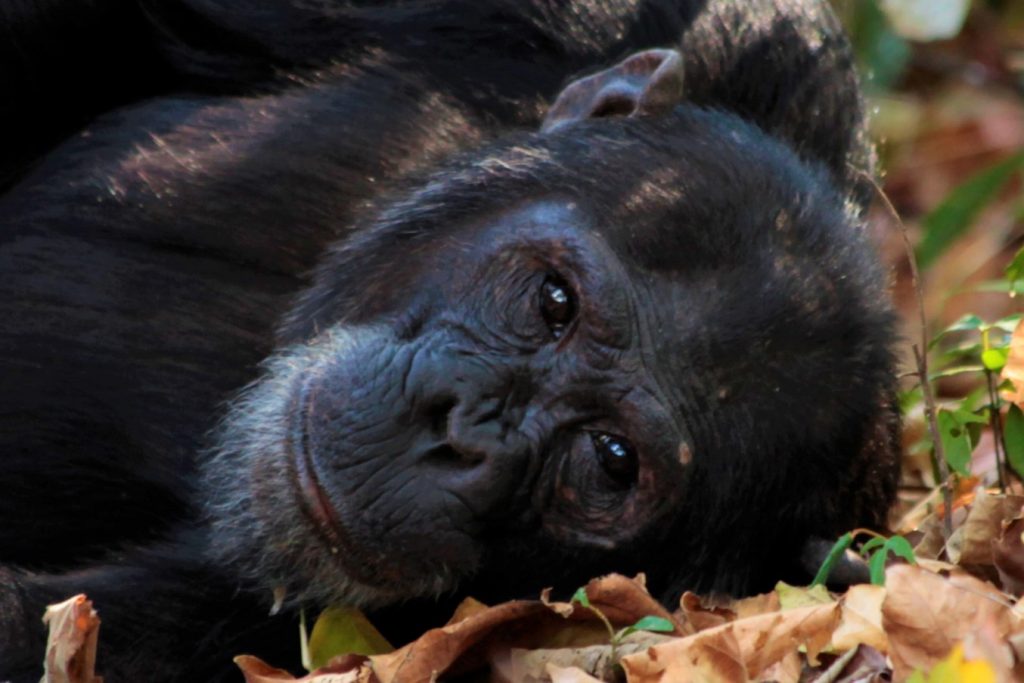
A Highlight of this tour is surely the visit of Gombe Stream National Park, the smallest national park in Tanzania, that is located in the western Kigoma Region on the wild shores of Lake Tanganyika. Its main attraction are the chimpanzee families that live in the park. This park became famous for Jane Goodall, the resident primatologist who spent many years in its forests studying the behavior of the endangered chimpanzees. But hiking and swimming are also popular activities here, once the day’s expedition to see the chimpanzees is over.

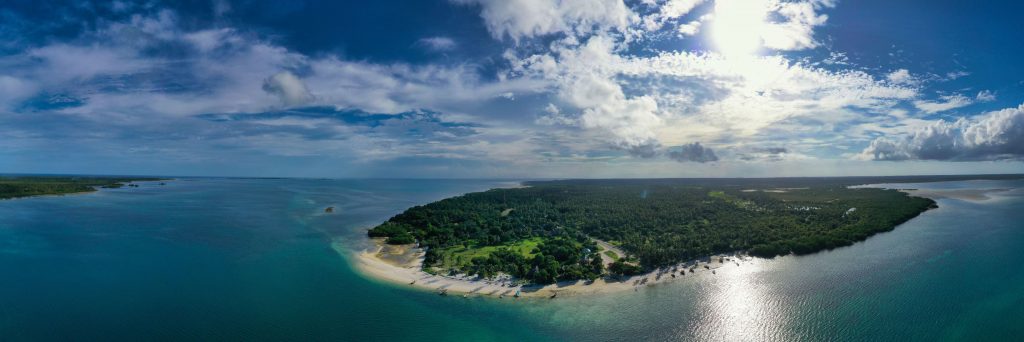
Our last highlight and still an insider tip on this tour, is “Mafia Island”, a green, natural island with coconut palms in abundance, white sandy beaches and the clear, shimmering blue Indian Ocean with the most colorful and diverse underwater world of Tanzania. Among divers and snorkelers, Mafia is one of the best areas on the East African coast. Whale sharks, humpback whales, and fruit bats are also among the animals living here. A trip to the island of Juani makes it possible to observe how small turtles hatch from their eggs and master their first way towards the ocean. Other sports such as fishing and deep sea-fishing, kayaking, hiking and cycling are possible. Since the island of Mafia was an important Arab trading post, there are still some ruins from the 12th to 15th centuries, especially on the offshore islands of Chole and Juani. Sail to some of the islands in a traditional Arabic dhow and after a picnic, explore the area or relax on a pristine sandy beach or on a deserted sandbar in the sea.
Package Inquiry

Repeat the conversion point at the moment interest is highest.

This section is placed after the main content so visitors can ask about dates, travelers, accommodation level, or pricing once they understand the trip.

Inquiry

Ask about 21 Days The best of Western & Southern Tanzania with Mafia Island

The form can connect to your preferred plugin shortcode, or use the built-in fallback email handler.

Related Packages

More routes travelers often compare

6 Days Northern Parks & Culture / Tarangire N. P. – Serengeti  – Ngorongoro Crater – Lake Eyasi

North

6 Days Northern Parks & Culture / Tarangire N. P. – Serengeti – Ngorongoro Crater – Lake Eyasi

<ul> <li>Tarangire: Enjoy tree climbing lions, abundance of elephants, huge baobab trees and termite mounds dotting the hills</li> <li>Ngorongoro: Impressive crater landscape, fantastic views, abundance of wildlife and the Olduvai Gorge with the oldest human bone finds</li> <li>Serengeti: Breath-taking savanna landscape, highest animal density, wildebeest migration</li> <li>Lake Eyasi: Go on an exciting hunting trip with the Hadzabe bushman, a tribe of nomadic hunter gatherers</li> <li>Meet members of the Datoga tribe and learn about traditional life</li> </ul>

Best Time: <ul><li> The dry season between June and October is considered the best time for a safari, but you can also expect good weather in the summer dry season between December and February. </li><li>The wildebeest migration in the Serengeti takes place between July and October. In July, the animals first cross the Grumeti River, followed by the spectacular crossing of the Mara River. </li><li>Between late January and March, over 500,000 calves of the wildebeest are born (that’s 8,000 every day!) and gangly babies dot the landscape. </li></ul>
View Package
Day Tour to Materuni Waterfall & Coffee Tour

North

Day Tour to Materuni Waterfall & Coffee Tour

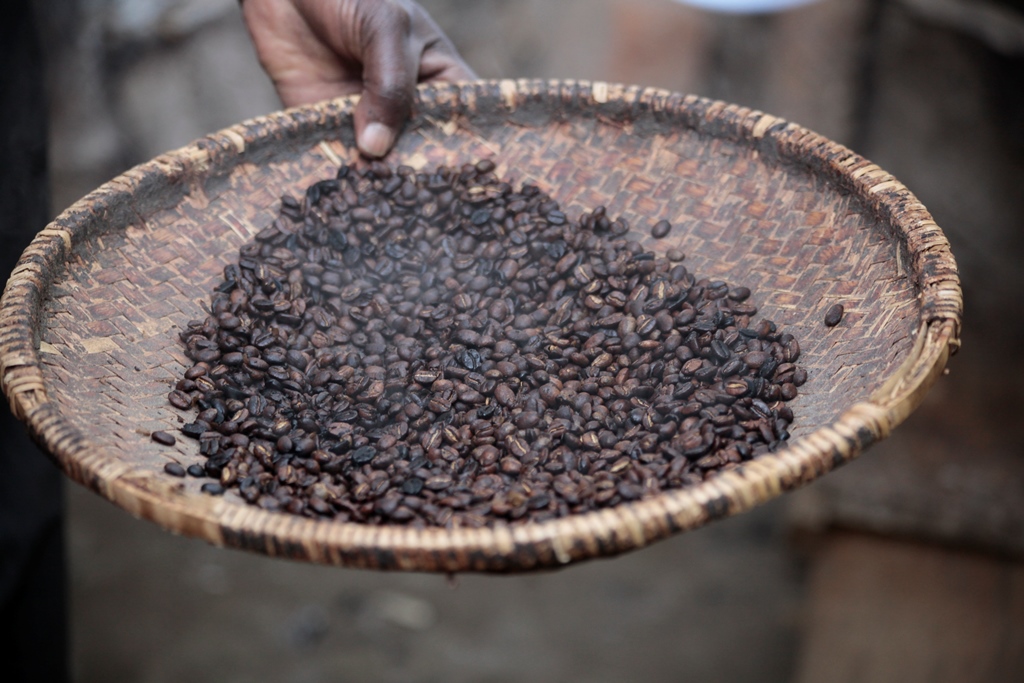
<ul> <li>Enjoy the impressive 80 m Materuni Waterfall and take a refreshing dip in the water</li> <li>Visit Materuni village, the home of the Chagga tribe and still an authentic tribal village</li> <li>Experience a typical Chagga lunch</li> <li>Participate in the process of making Materuni coffee, learn about cultivation, drying and roasting and produce your own cup of coffee</li> </ul>

Best Time: <ul><li>The ideal Travel times are in the dry months from December to March and from June to October. </li><li>Visibility is good from December to March, the climate can get very hot and there is hardly any rainfall. </li><li>From June to October, however, the temperatures are quite pleasant.</li></ul>
View Package
Day Tour to Mkuru Camel Safari

North

Day Tour to Mkuru Camel Safari

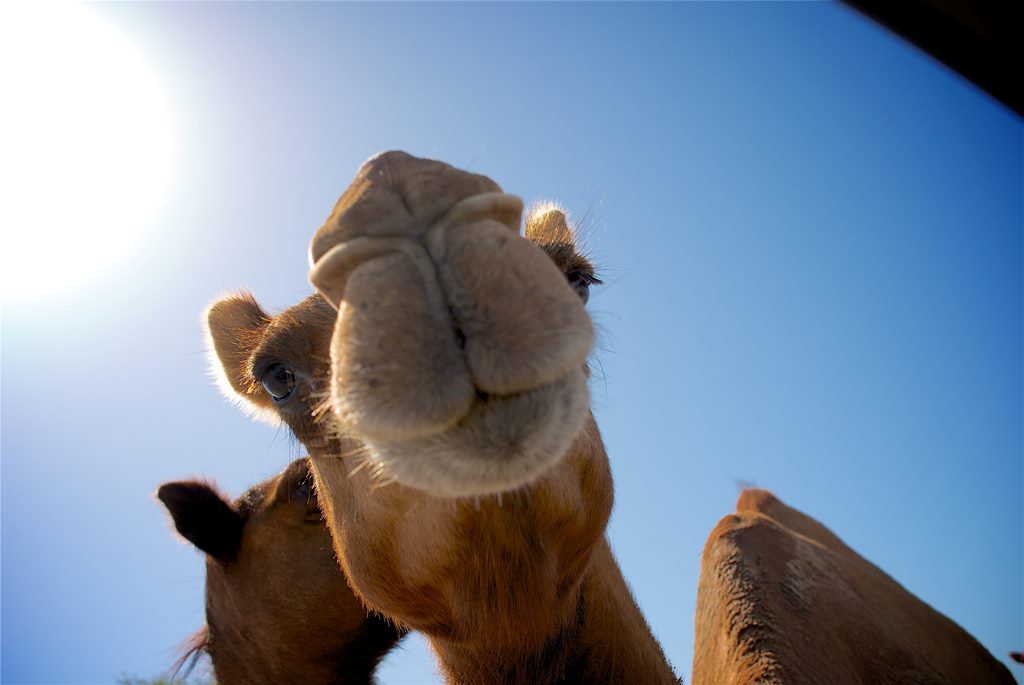
<ul> <li>Enjoy Africa's beauty and wilderness on a Camel back through Maasai land</li> <li>Experience wildlife, Maasai people ‘day to day life’ and the beautiful scenery</li> <li>Contribute to the livelihood of the Maasai tribes</li> </ul>

Best Time: <ul><li> The long rainy season is from March to May </li><li>The short rainy season is in November and December. </li><li>The long dry season is from June through October, </li><li>August is typically the driest month of the year. </li><li>The short, hot, dry season is in January and February</li></ul>
View Package