Locally guided Tanzania safaris, beach escapes, and tailor-made adventures.

North

12 Days Nothern Activities Culture Tourism Trekking

<ul> <li>Comfortable trekking and camping through breathtaking landscapes</li> <li>Enjoy one of the roughest and most fascinating landscapes in Africa</li> <li>Go on an exciting hunting trip with the Hadzabe bushman, a tribe of nomadic hunter gatherers</li> <li>Meet members of the Datoga tribe</li> <li>Experience the Maasai culture</li> <li>Climb Tanzania's only active volcano, the sacred "Mountain of God" of the Maasai people</li> <li>Watch the sunrise from the summit of Ol Doinyo Lengai</li> </ul>

<ul><li>The main rainy season is from late March to late May. </li><li>The ideal travel time is from the end of December to mid-March with good visibility in the mountains. </li><li>The large dry season from July to October is also suitable, but It can get cold when trekking in the highlands. </li><li>The small rainy season in November / December brings somewhat more changeable weather. </li><li>The best time to travel to Lake Natron is in the dry months from July to October. During this time, up to two million Lesser Flamingos usually live and breed at the lake.</li></ul>

Detailed Overview

An hour’s drive west of Karatu is the largest of the slightly alkaline Great Rift Valley Lakes. The impressive crater highlands extend to the northeast, while the wide plains of the Serengeti stretch to the north. Only a few tourists visit Lake Eyasi. Anyone who takes the time is enthusiastic. The landscape, the vastness, the wildness, the reduction to the essentials and finally the life of the people, as we can no longer imagine in Western countries, leave no visitor cold. The area is inhabited by Bushmen, the Hadza and the Watindiga, who still hunt with bows and arrows and collect roots, tubers and fruits. Another tribe in this area are the Datoga, skilled farmers and craftsman collecting scaps of iron, which melt in ingots from which to obtain ornamental objects. In fact, they are skilled smiths and realize arrowheads and other objects that then they barter in exchange for honey and animal skins with the bushmen.

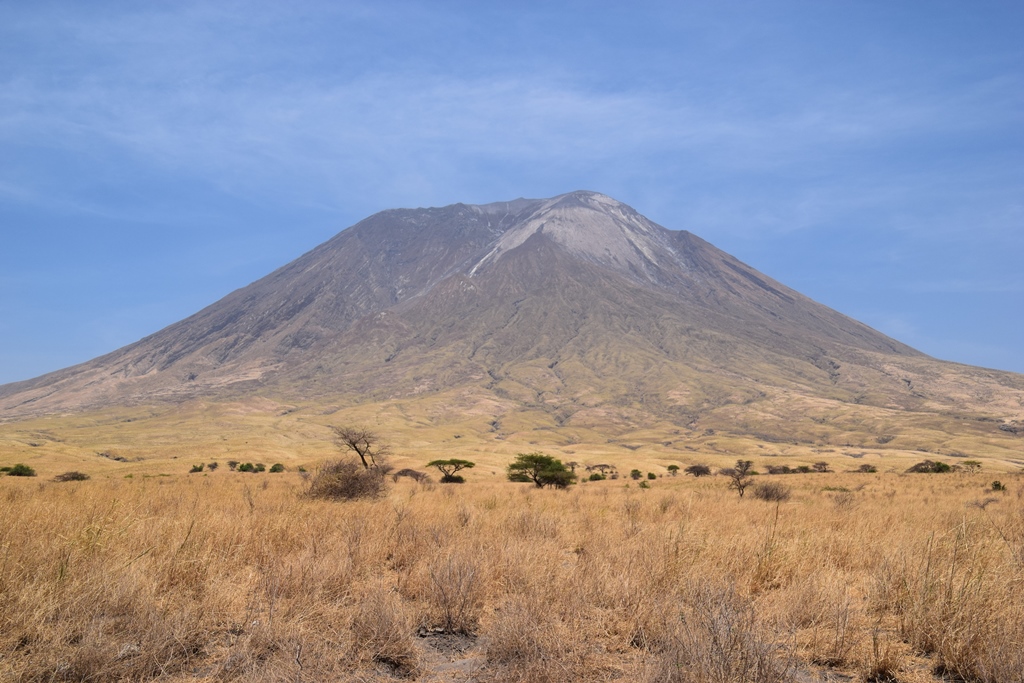
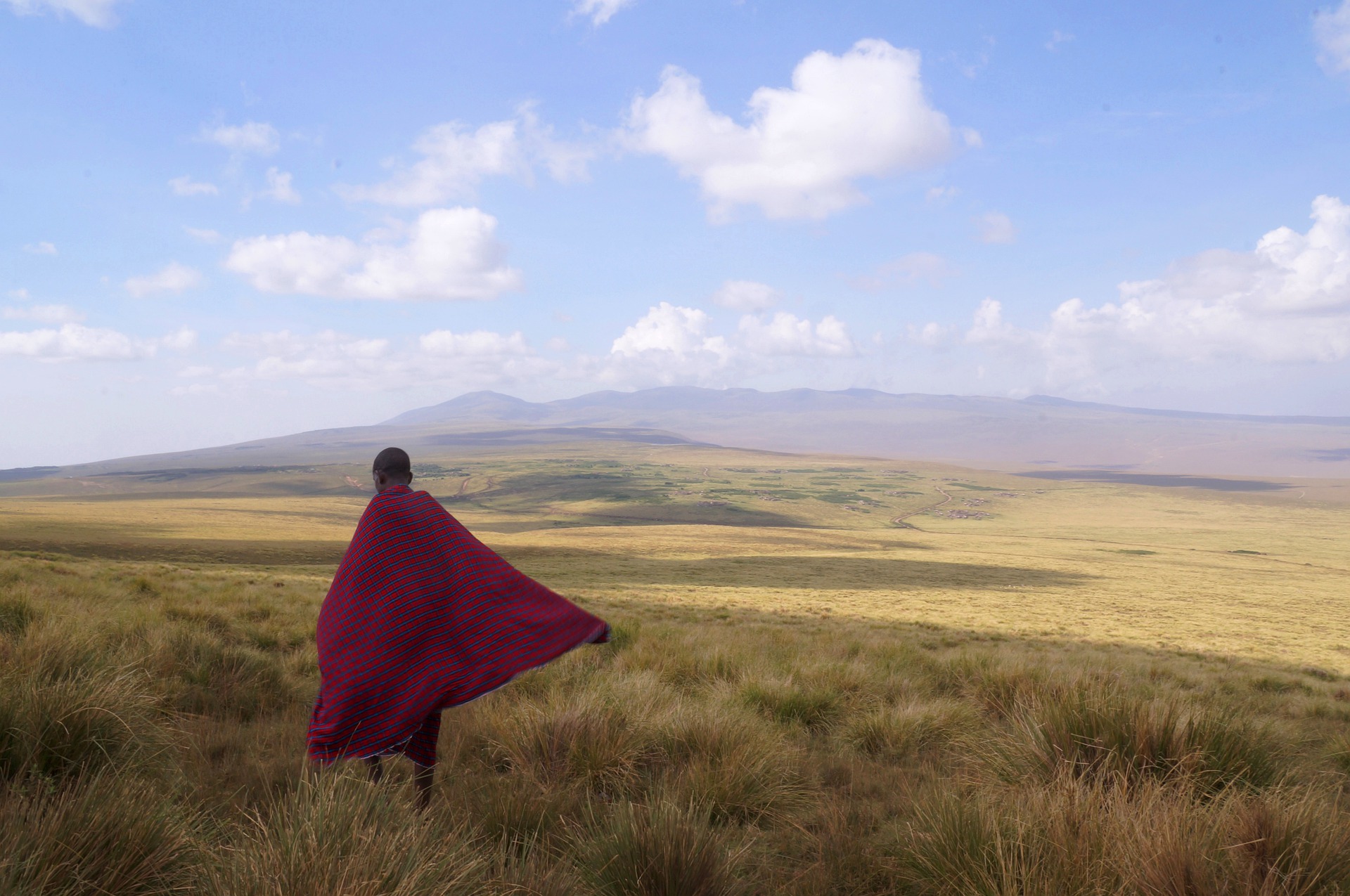
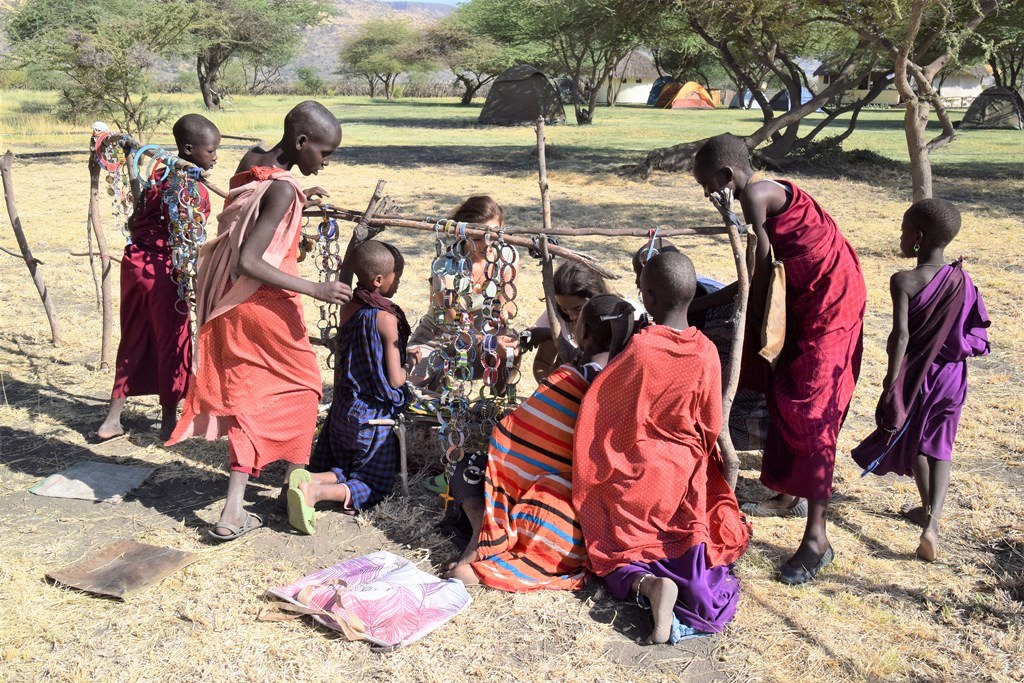
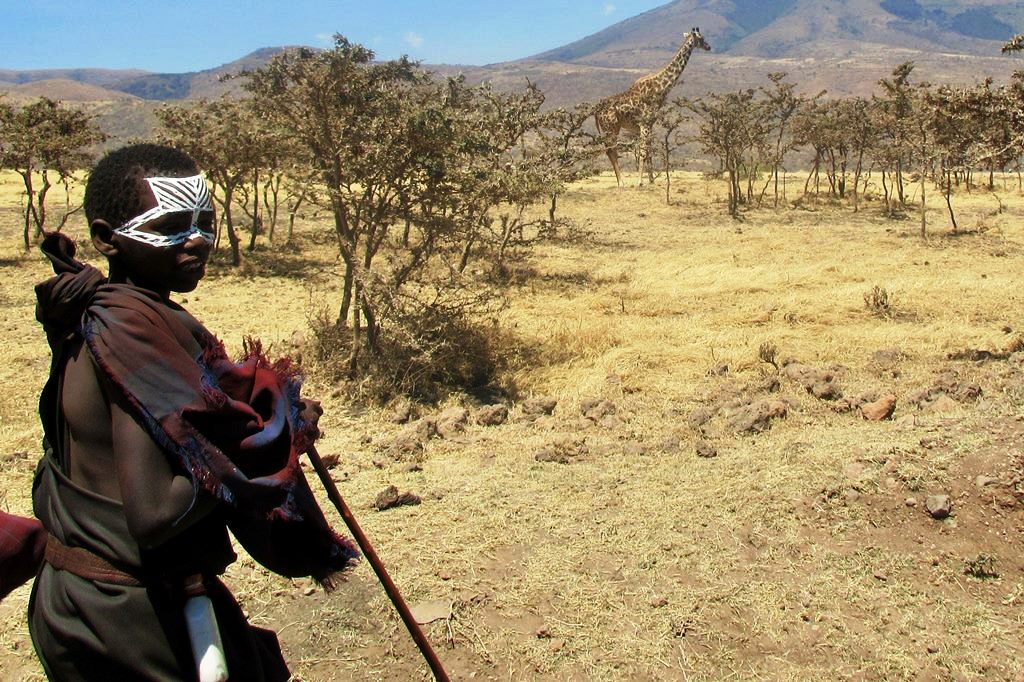
This part of Tanzania is characterized by volcanoes and is a region full of bizarre beauties, the active volcano Ol Doinyo Lengai, the flickering Lake Natron with its abundance of flamingos, the furrowed East African Rift Valley and the endless sand and stone deserts. The path leads around Ngorongoro crater rim, through vast grassland, later through scree deserts and between volcanic peaks. Occasional companions are zebras, ostriches, wildebeests, giraffes and gazelles. During the hike you will pass many Masai Bomas (villages). On Mount Makarot, the tour goes through a wonderful mountain forest, where there are many animal tracks to discover. Another highlight is the Empakaai Crater, which is slightly smaller than the Ngorongoro Crater, little visited and beautiful.

Climbing to the summit [2890 mt / 9481 ft] of Ol Doinyo Lengai, which is locally regarded as the sacred Mountain of God in the Maa Language, is possible without specific equipment but the ascent is challenging because the mountain is very steep. Mt. Ol Doinyo Lengai is the only known volcano in the world that erupts natrocarbonatite lava, a highly fluid lava that contains almost no silicon. Natrocarbonatite lava (most fluid lava) is also much cooler than other lavas. During the day most of this lava flows look like fluid black oil. Some feel the lava flows resemble mud like-flows. Natrocarbonatite lava turns white when in contact with moisture. During rainy periods, the lava turns white almost immediately whilst this whitening takes longer during the dry periods.
Package Inquiry

Repeat the conversion point at the moment interest is highest.

This section is placed after the main content so visitors can ask about dates, travelers, accommodation level, or pricing once they understand the trip.

Inquiry

Ask about 12 Days Nothern Activities Culture Tourism Trekking

The form can connect to your preferred plugin shortcode, or use the built-in fallback email handler.

Related Packages

More routes travelers often compare

Day Tour to Longido

North

Day Tour to Longido

<ul> <li>Learn about Maasai culture, traditions & lifestyle</li> <li>Enjoy amazing scenery with panomaric views of Mt. Kilimanjaro and Mt. Meru</li> <li>Spot rich bird life</li> <li>Enjoy walking through the Maasai plains</li> <li>Visit historical sites of British colonial times</li> </ul>

Best Time: <ul><li> Mid-June to Late September is the best time of year to visit Longido for warm weather activities. </li><li>During this period, there is the least amount of precipitation.</li></ul>
View Package
3 Days Mwanihana Trail Udzungwa Mountains N. P.

South

3 Days Mwanihana Trail Udzungwa Mountains N. P.

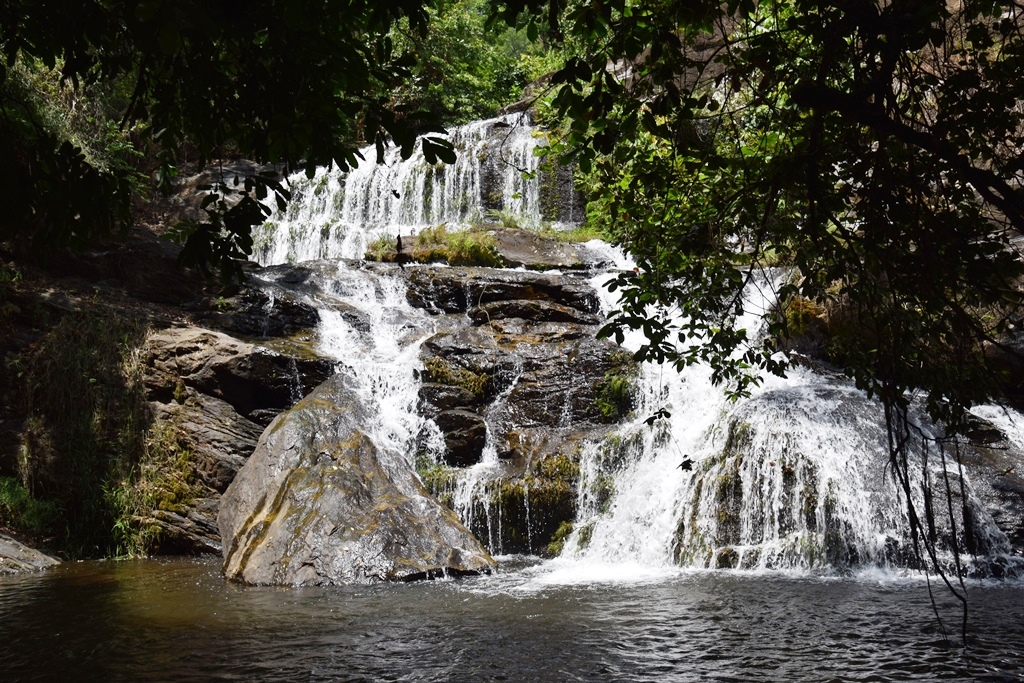
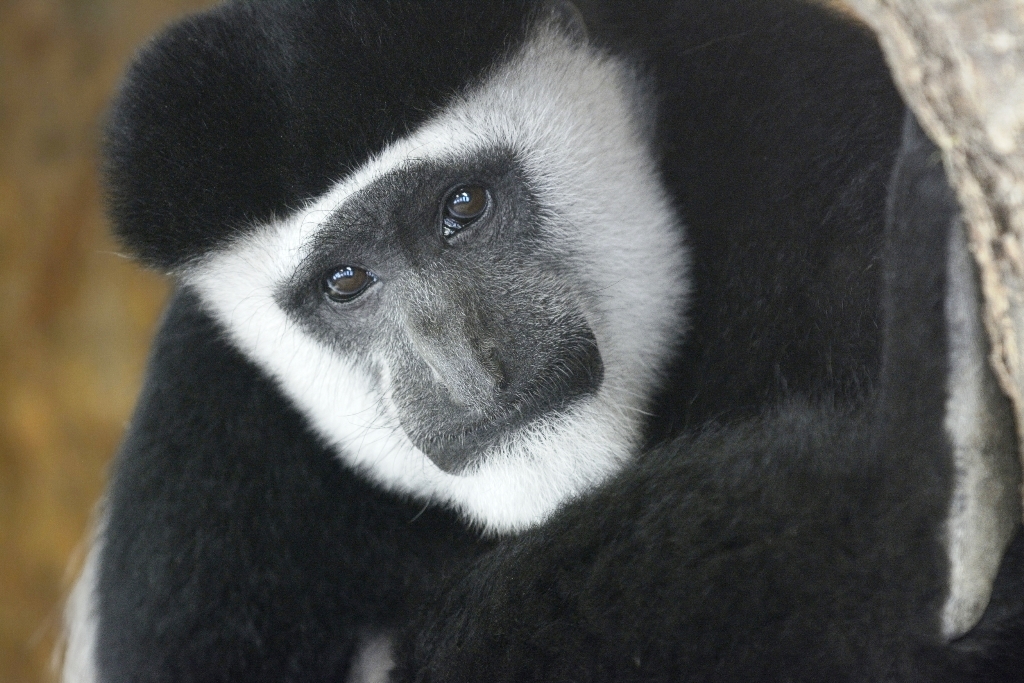
<ul> <li>Often referred to as "The Galapagos Islands of Africa" because of its biodiversity and endemism</li> <li>Encounter the endemic Sanje Mangabey and the Iringa Red Colobus Monkey on your trek</li> <li>Trails with spectacular views in unspoiled rainforest</li> <li>Swimming in the plunge pools of the gorgeous waterfalls</li> </ul>

Best Time: <ul><li> The year-round temperature at the Udzungwa Mountains National Park is pleasant, with the higher temperatures occurring around October to March and the coolest temperatures occurring around May to July. </li><li>Most of the long rainfall occurs from March to May </li><li>Hking Udzungwa Mountains is possible year round although slippery in the rains. </li><li>Be prepared for short rainfalls anytime.</li></ul>
View Package
4 Days Hike Mtae – Mazumbai Usambara Mountains

North

4 Days Hike Mtae – Mazumbai Usambara Mountains

<ul> <li>Compared to the Galapagos Islands regarding to diversity of endemic species</li> <li>Colorful, busy villages and bustling markets</li> <li>Hike in ancient forests which are ecologically unique</li> <li>Magical winding paths, Breathtaking views, waterfalls and a refreshingly cool climate</li> <li>A paradise for bird watchers and hikers</li> <li>Historic buildings from the German and English colonial times</li> </ul>

Best Time: <ul><li>The climate of the Usambara Mountains is temperate </li><li>The best time for hiking is November to March as it rarely gets hotter than 25 degrees Celsius </li><li>From June to September it can cool down to freezing at night </li><li>The big rainy season lasts from the beginning of April to the end of May and the small rainy season from mid-November to mid-December. During this time it is hot and the humidity is high.</li></ul>
View Package