Detailed Overview
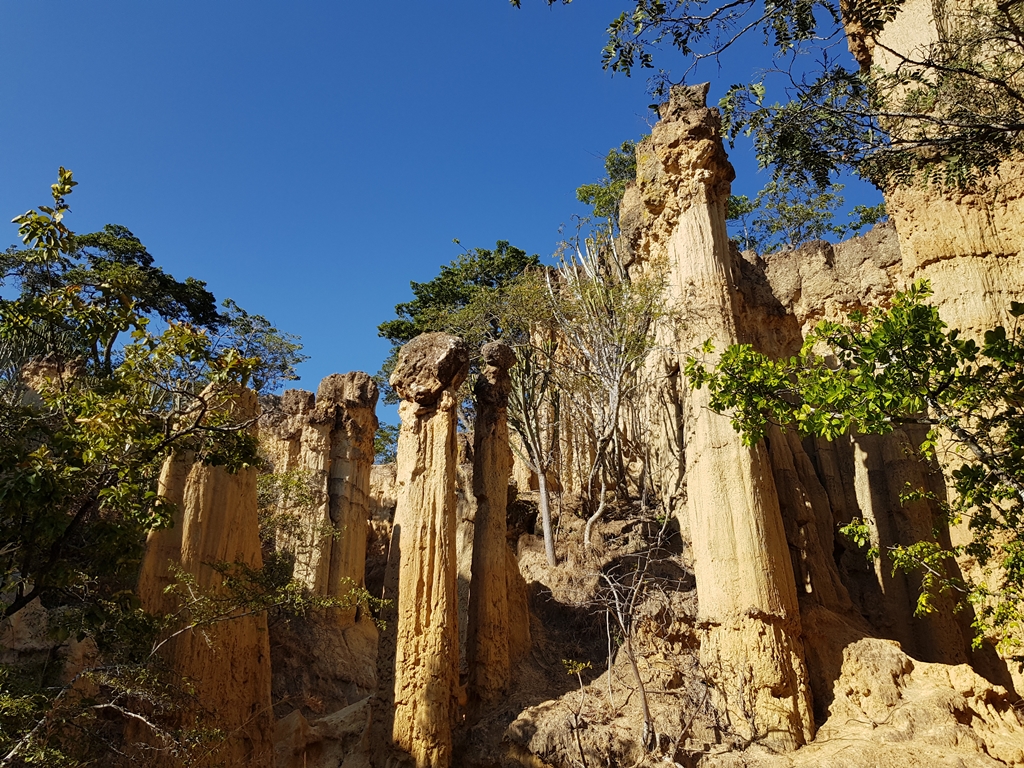
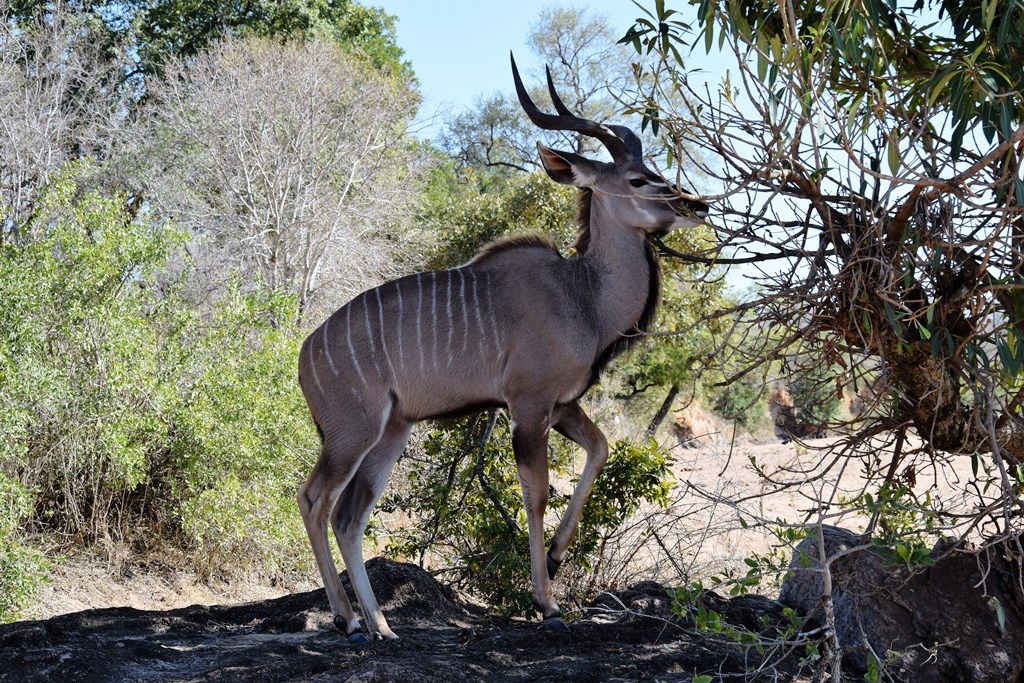
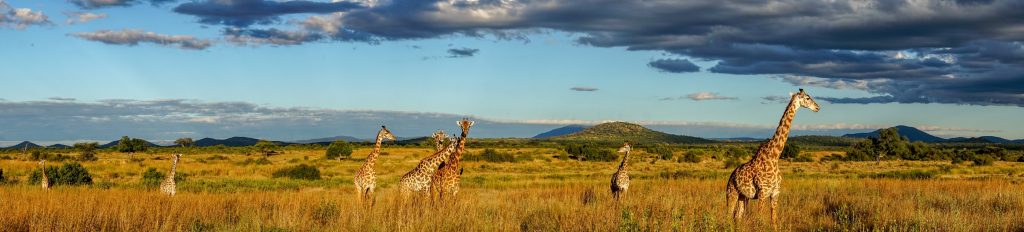
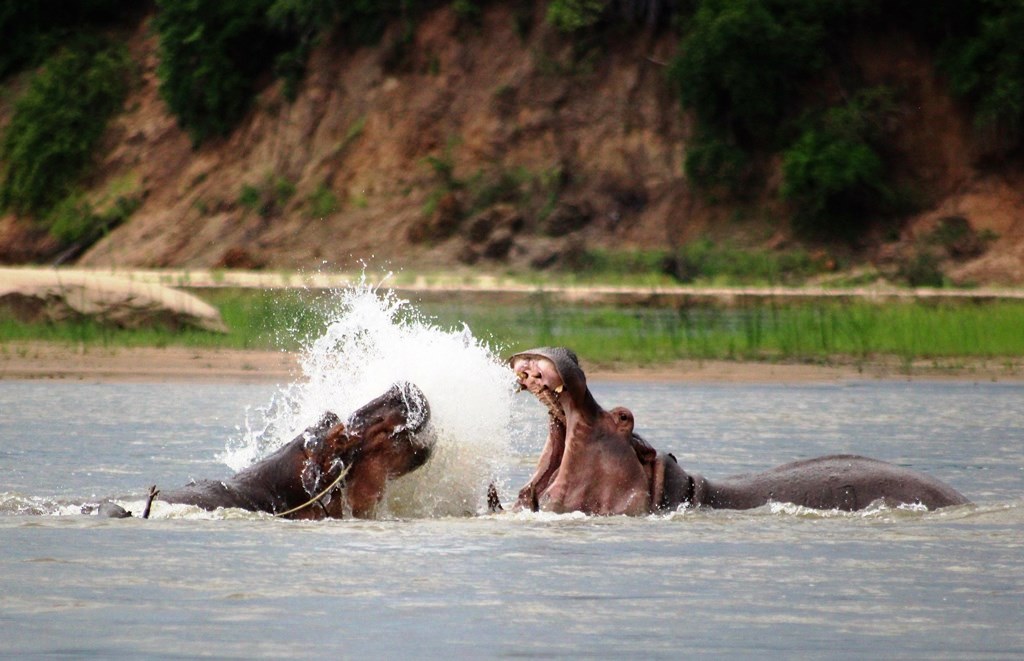
For those who want to avoid crowds of tourists and experience a safari adventure “off-the-beaten-track”, the southern safari circuit would be perfect for that. The parks included in the southern safari circuit are Nyerere National Park (before Selous G. R.), which has been a World Heritage Site due to its biodiversity since 1982, Ruaha National Park, Mikumi National Park, and Udzungwa Mountains National Park. The parks in this region are huge, unspoiled, remote and are full of a spectacular diversity of wildlife and they offer exceptional birding opportunities. In Nyerere National Park you can find the world’s densest population of the last remaining African wild dogs and there are approximately 3,700 lions – one of the largest populations in Africa. Selous has a great variety of habitats such as swamps, open grassland, riverine forests and the Miombo woodlands with impressive baobabs and acacia trees as well doum and borassus palms up to 30 meters high and mango trees can also be found in well-watered places. The Rufiji River with his numerous side arms and large lakes forms a labyrinth with islands, sandbars and lagoons. Ruaha National Park, one of Tanzania’s and East Africa’s largest parks, is home to one of the largest elephant populations in the world and is a bird-watching paradise with about 500 species of birds. The source of life for this park is the Great Ruaha River, which attracts large herds and therefore many predators to its banks during the dry season. The southern circuit offers activities that cannot be experienced in the north. For example, guided walking tours, that give you a chance to get closer to nature and boat safaris, like in Nyerere National Park where the Rufiji River with its numerous side arms and large lakes forms a labyrinth with islands, sandbars and lagoons and you can see crocodiles sunbathe on their banks and hippos wallow in the water. The landscape of the Mikumi Nationa Park is often compared to that of the Serengeti and is considered one of the best observation areas for the biggest antelope in the world – the eland antelope. And finally, the Udzungwa Mountains National Park, which is a part of 34 biodiversity hotspots worldwide due to its rich levels of biodiversity and endemism. Its massive forest panoramas and variety of gorgeous waterfalls are a great draw for trekkers. The park is home of an important population of primates, including the Sanje Mangabey and the Iringa Red Colobus, which you can find only here. There are 2500 plant species, 25% of which are endemic, and over 400 different bird species have been counted. On the way to Ruaha Nationalpark you can visit the “Isimila Stone Age Site” and the museum with small, well-captioned displays highlighting some of the discoveries. You walk through ancient canyons and pillars. Fossilized bones of mammals; an extinct hippopotamus and over 60.000 years old tools are some of the stone age finds found here.