Locally guided Tanzania safaris, beach escapes, and tailor-made adventures.

South & Coast

17 Days Wildlife, Mountains and Swahili Coast

<ul> <li>Relatively unspoiled national parks and therefore fewer tourists</li> <li>Different types of game viewing safaris by boat, 4x4 or on foot</li> <li>Explore the pristine wilderness and unique scenic diversity of these parks</li> <li>Home to a large elephant population, large prides of lions and over 500 bird species</li> <li>Best place to see wild dogs</li> <li>Visit the Stone Age ruins of Isimila</li> <li>Enjoy biodiversity, endemism, spectacular views and gorgeous waterfalls</li> <li>Immerse yourself in ancient history and visit the impressive ruins of the sultans</li> <li>Relax on the white beaches of Msimbati, in the marine park Mnazi Bay-Ruvuma</li> </ul>

<ul><li> The best time to visit the Southern Circuit national Parks is during the dry season from June to October. It is the best time for wildlife viewing because the vegetation is less dense. The temperature is hot and dry during the day, cooler at night. </li><li>From November to February It becomes more sultry and greener. </li><li>Rainy season is from March to May routes are almost impassable and lodges and camps very often closed. </li><li>The coast is warm and humid All year round, which is tempered by breezes and monsoons in the Indian Ocean. In spring in November and December there are short rains and from mid-March to early June there are long rains</li></ul>

Detailed Overview

Encounters with wild animals in the national parks, hikes to magnificent waterfalls and through tropical forests, relaxation on white sandy beaches and immersion in the culture of Tanzania, this trip is a colorful mix of unique activities, culture and relaxation.

For those who want to avoid crowds of tourists and experience a safari adventure “off-the-beaten-track”, the southern safari circuit would be perfect for that. The parks included in the southern safari circuit are Nyerere National Park (before Selous Game Reserve), which has been a World Heritage Site due to its biodiversity since 1982, Ruaha National Park, Mikumi National Park, and Udzungwa Mountains National Park.

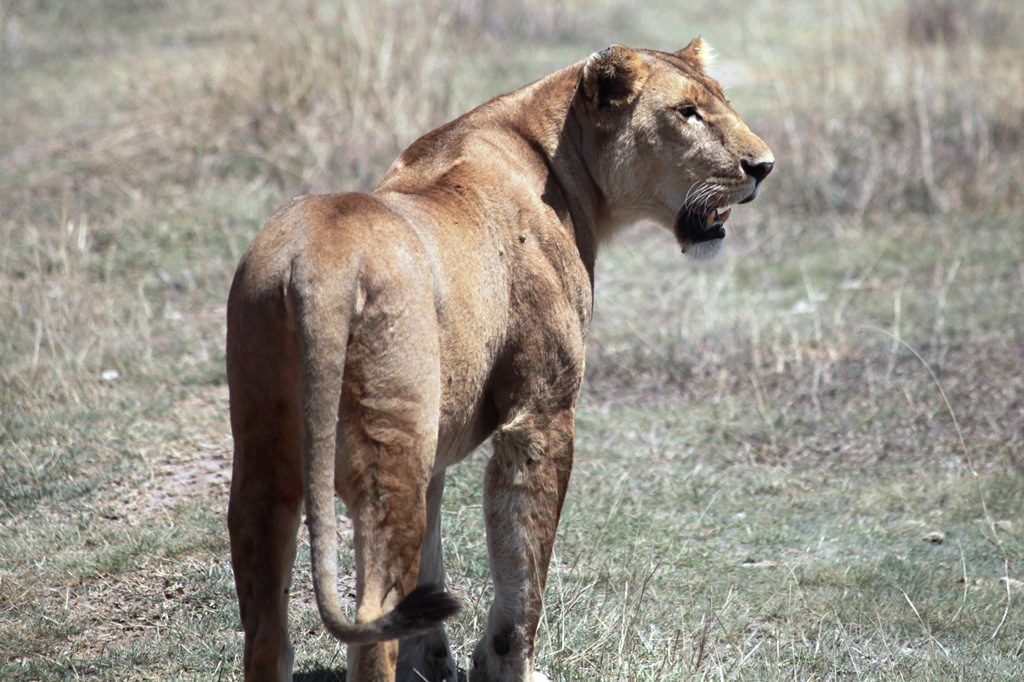
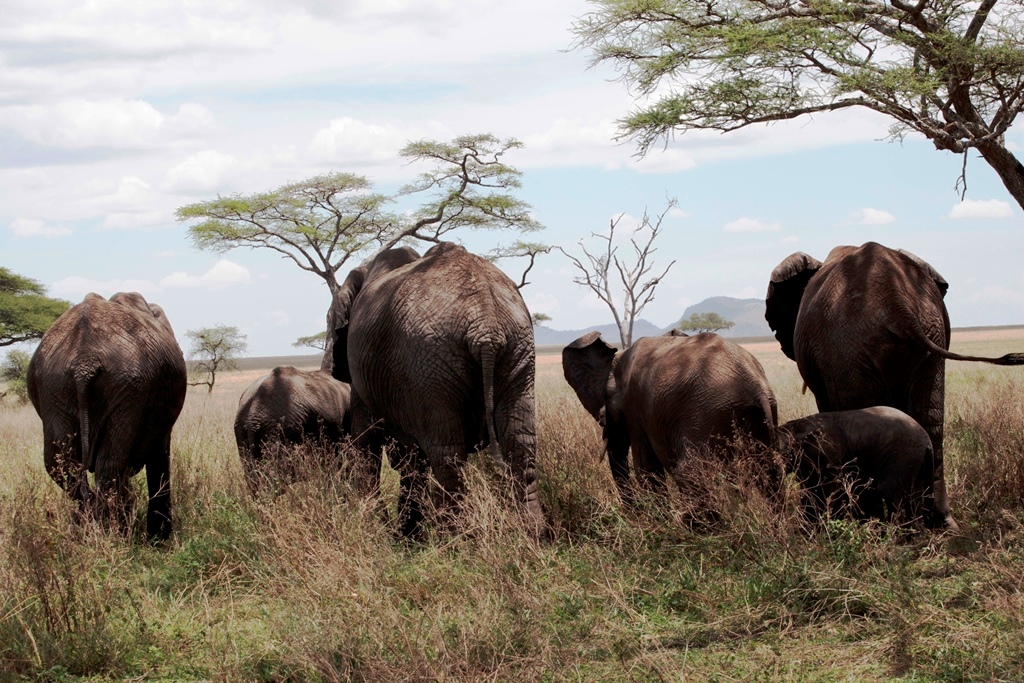
The parks in this region are huge, unspoiled, remote and are full of a spectacular diversity of wildlife and they offer exceptional birding opportunities. In Nyerere National Park you can find the world’s densest population of the last remaining African wild dogs and there are approximately 3,700 lions – one of the largest populations in Africa. Ruaha National Park, one of Tanzania’s and East Africa’s largest parks, is home to one of the largest elephant populations in the world and is a bird-watching paradise with about 500 species of birds. The source of life for this park is the Great Ruaha River, which attracts large herds and therefore many predators to its banks during the dry season.

The southern circuit offers activities that cannot be experienced in the north. For example, guided walking tours, that give you a chance to get closer to nature and boat safaris, like in Nyerere National Park where the Rufiji River with its numerous side arms and large lakes forms a labyrinth with islands, sandbars and lagoons and you can see crocodiles sunbathe on their banks and hippos wallow in the water.

The landscape of the Mikumi Nationa Park is often compared to that of the Serengeti and is considered one of the best observation areas for the biggest antelope in the world – the eland antelope.  And finally, the Udzungwa Mountains National Park, which is a part of 34 biodiversity hotspots due to its rich levels of biodiversity and endemism. Its massive forest panoramas and variety of gorgeous waterfalls are a great draw for trekkers. The park is home of an important population of primates, including the Sanje Mangabey and the Iringa Red Colobus, which you can find only here. There are 2500 plant species, 25% of which are endemic, and over 400 different bird species have been counted. On the way to Ruaha Nationalpark you can visit the “Isimila Stone Age Site” and the museum with small, well-captioned displays highlighting some of the discoveries. You walk through ancient canyons and pillars. Fossilized bones of mammals; an extinct hippopotamus and over 60.000 years old tools are some of the stone age finds found here.

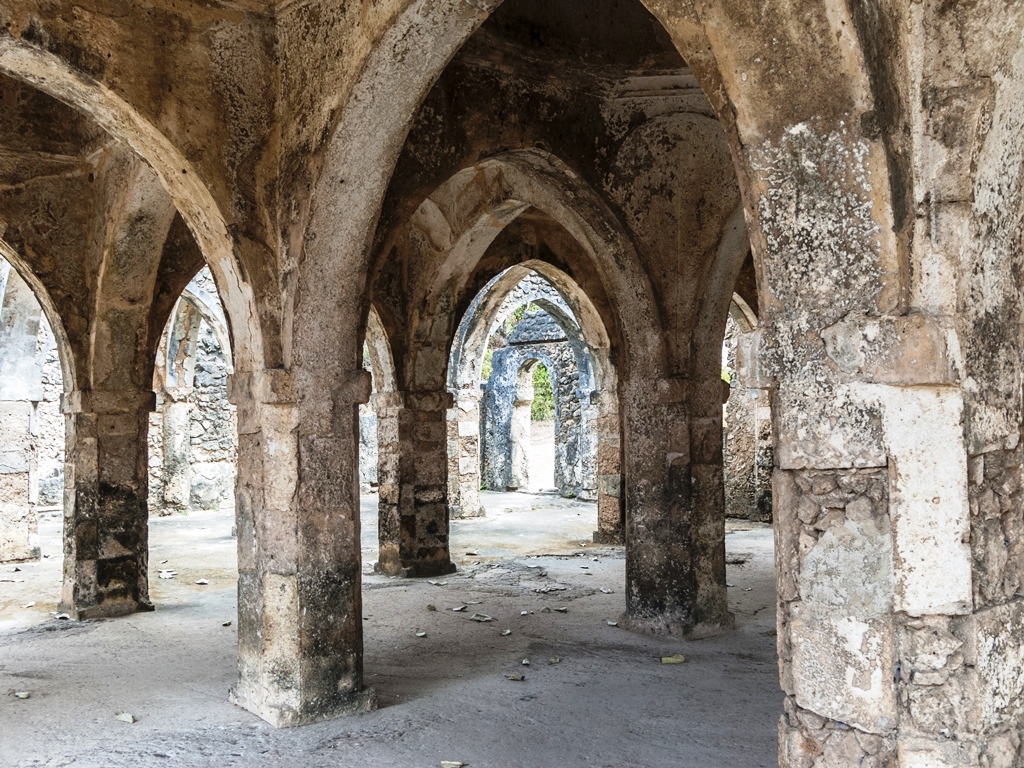
The last highlight are the famous ruins of Kilwa Kisiwani, where a powerful and prosperous settlement was once ruled by independent African sultanates. Kilwa was the center of a vast trade network connecting the ancient Shona kingdoms and Zimbabwe’s goldfields with Persia, India and China. And as the last stop on this diverse safari you visit the Mnazi Bay-Ruvuma Estuary Marine Park in southern Tanzania, close to the border with Mozambique. This park with its globally significant marine biodiversity is home to important populations of whales, dolphins, four species of turtle and numerous birds. The pristine white sands of Ruvula Beach complete this tropical paradise.
Package Inquiry

Repeat the conversion point at the moment interest is highest.

This section is placed after the main content so visitors can ask about dates, travelers, accommodation level, or pricing once they understand the trip.

Inquiry

Ask about 17 Days Wildlife, Mountains and Swahili Coast

The form can connect to your preferred plugin shortcode, or use the built-in fallback email handler.

Related Packages

More routes travelers often compare

8 Days  Fly-in Safari Adventure to Mahale & Katavi National Park

West

8 Days Fly-in Safari Adventure to Mahale & Katavi National Park

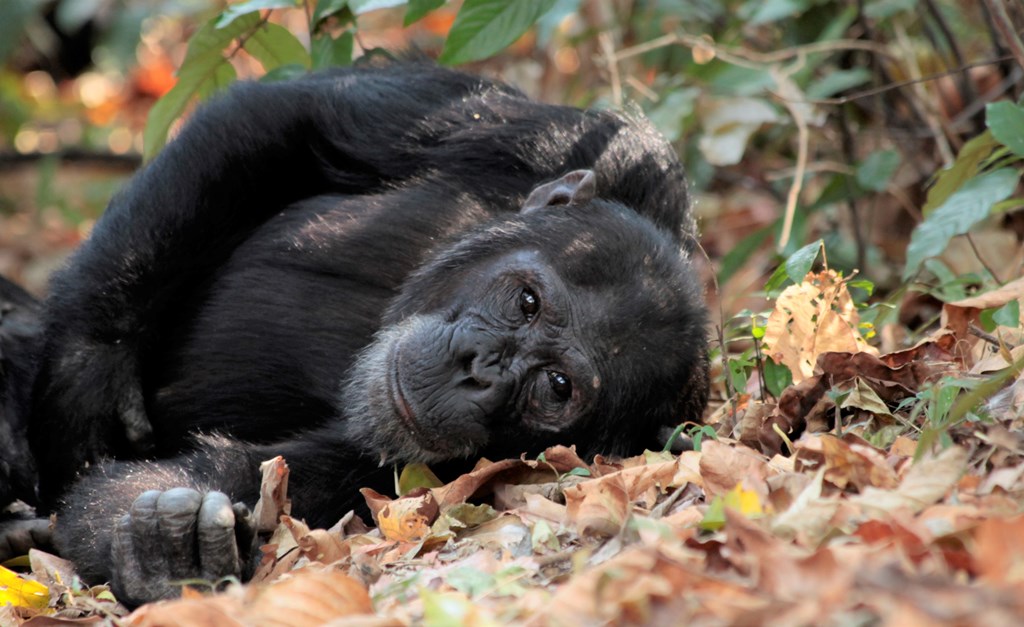
<ul> <li>Enjoy original wilderness and remoteness</li> <li>Exclusive safari camps with excellent guides</li> <li>Extraordinary nature experiences away from regular tourist routes</li> <li>Experience wild chimpanzees in their natural environment</li> <li>Enjoy clear Water & relax on white sandy beaches</li> <li>Do activities like Boat trips, fishing, kayaking or Snorkeling</li> </ul>

Best Time: <ul><li>Best travel time for Katavi National Park is the dry season from May to October or from mid-December to February. During the rainy season the roads inside the park are often flooded. </li><li>From August to October there is an impressive spectacle when crocodiles and hippos fight to cool the mud in shrinking rivers </li><li>For Mahale National Park best travel time lasts from End of May to September and December to February. </li></ul>
View Package
3 Days Wildlife & Hiking – Mikumi National Park & Udzungwa Mountains National Park

South & Coast

3 Days Wildlife & Hiking – Mikumi National Park & Udzungwa Mountains National Park

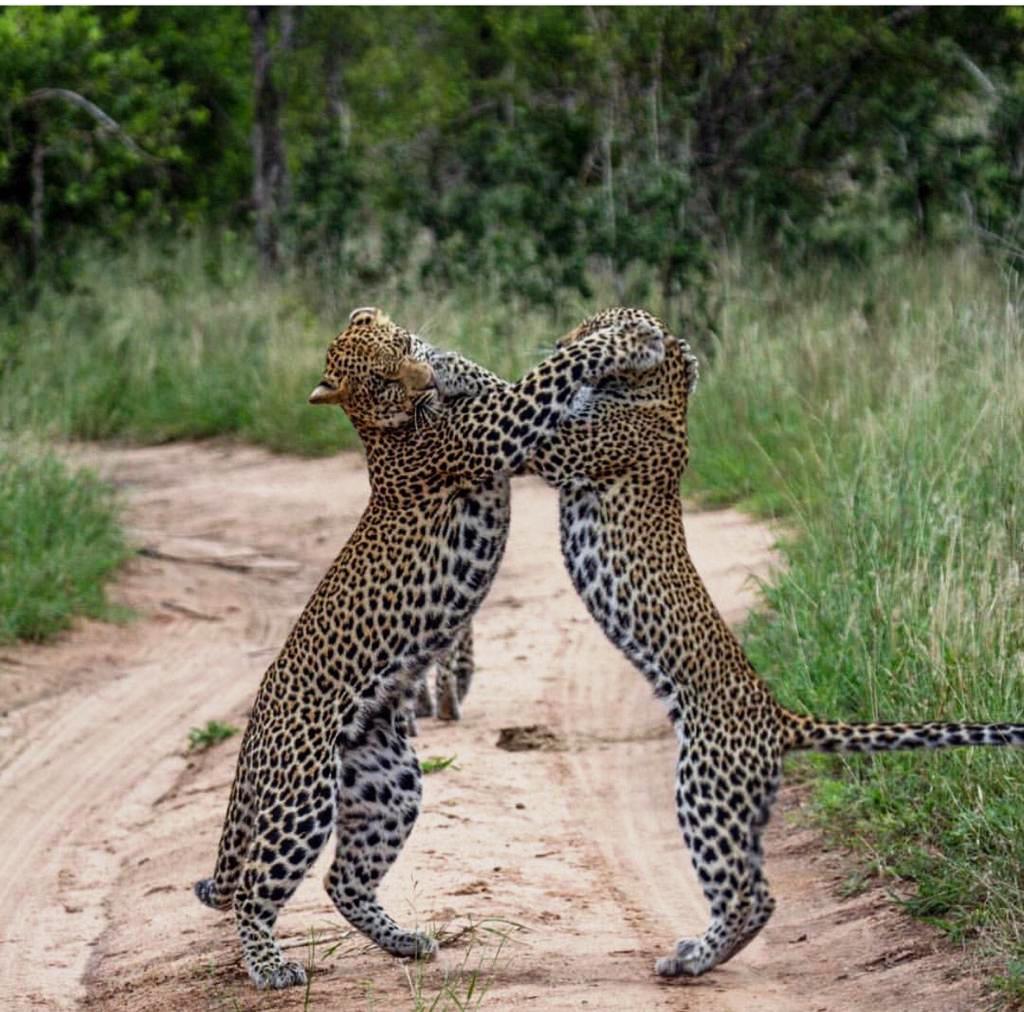
<strong>Mikumi National Park</strong> <ul> <li>Discover the rich wildlife of the Mkata floodplains, home to four of the big five: leopards, lions, elephants, buffaloes</li> <li>Popular for sightings of the world’s largest antelope – the eland</li> <li>Has a wide variety of vegetation types, woodland, swamp and grassland</li> <li>Enjoy the glorious sunrise and sunset.</li> </ul> <strong>Udzungwa Mountains National Park</strong> <ul> <li>Often referred to as "The Galapagos Islands of Africa" because of its biodiversity and endemism.</li> <li>Trails with spectacular views</li> <li>Swimming in the plunge pools of the gorgeous waterfalls</li> </ul>  

Best Time: <ul><li>The best time to visit the Southern Circuit National Parks is during the dry season from June to October. It is the best time for wildlife viewing because the vegetation is less dense. The temperature is hot and dry during the day, cooler at night. </li><li>From November to February It becomes more sultry and greener. </li><li>Rainy season is from March to May routes are almost impassable and lodges and camps very often closed. </li><li>The year-round temperature at the Udzungwa Mountains Nationa Park is pleasant, with the higher temperatures occurring around October to March and the coolest temperatures occurring around May to July. most of the long rainfall occurs from March to May</li></ul>
View Package
3 Days Historical Bagamoyo and Saadani Beach Safari

South & Coast

3 Days Historical Bagamoyo and Saadani Beach Safari

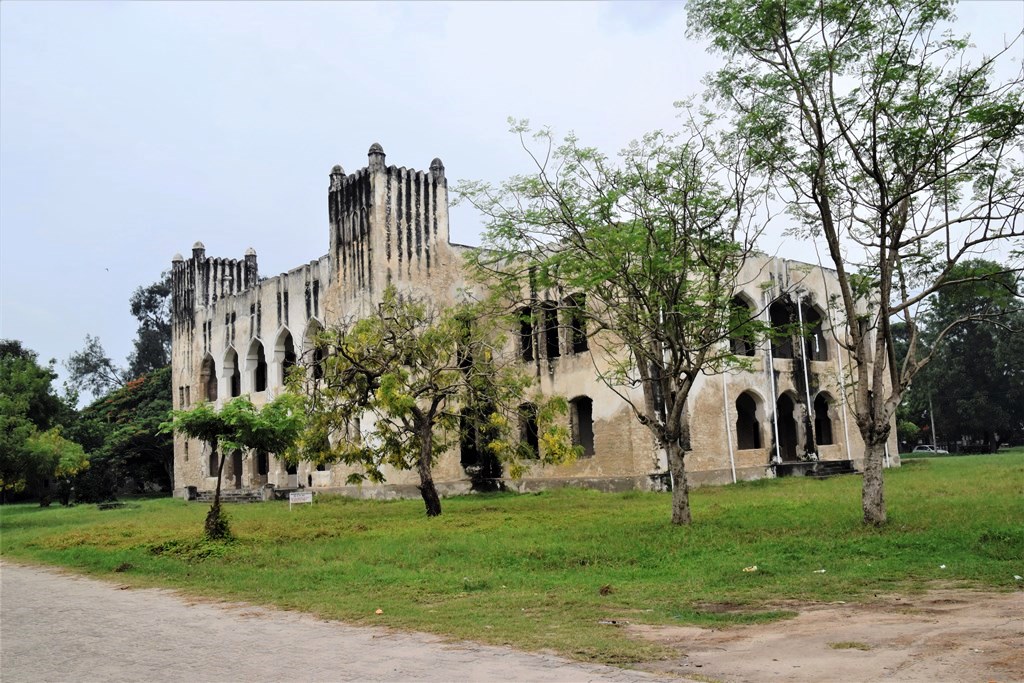
<ul> <li>On the trail of the past – Arabic, German, British history and old colonial buildings</li> <li>Admire the beautifully carved doors of Bagamoyo</li> <li>Relax on the beach</li> <li>Saadani National Park where the beach meets the bush</li> <li>Plunge into the Indian Ocean after your safari</li> <li>Boat trip on the mangrove lined Wami River</li> </ul>

Best Time: <ul><li>Tropical monsoons with long rain falls from March to May </li><li>Short rains fall in November and December </li><li>January and February are hot and humid months with sporadic showers with lots of sunshine </li><li>June to September are cooler, but sunny </li><li>Sadaani National Park at the east coast is great for a visit in January and February after the short rains, or from June to August for spotting wildlife </li></ul>
View Package