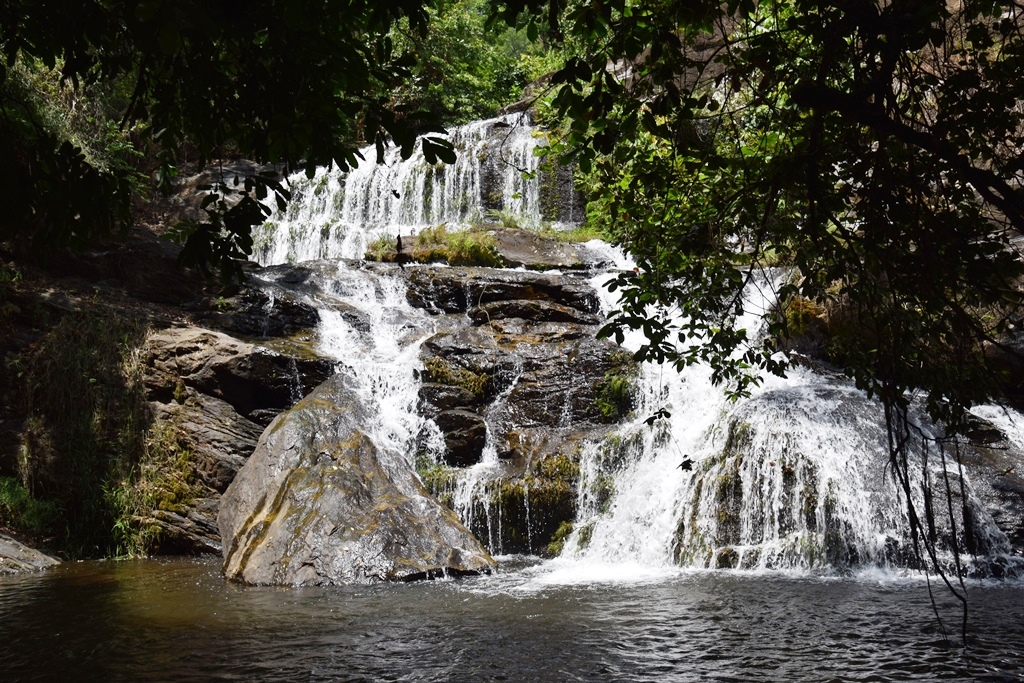
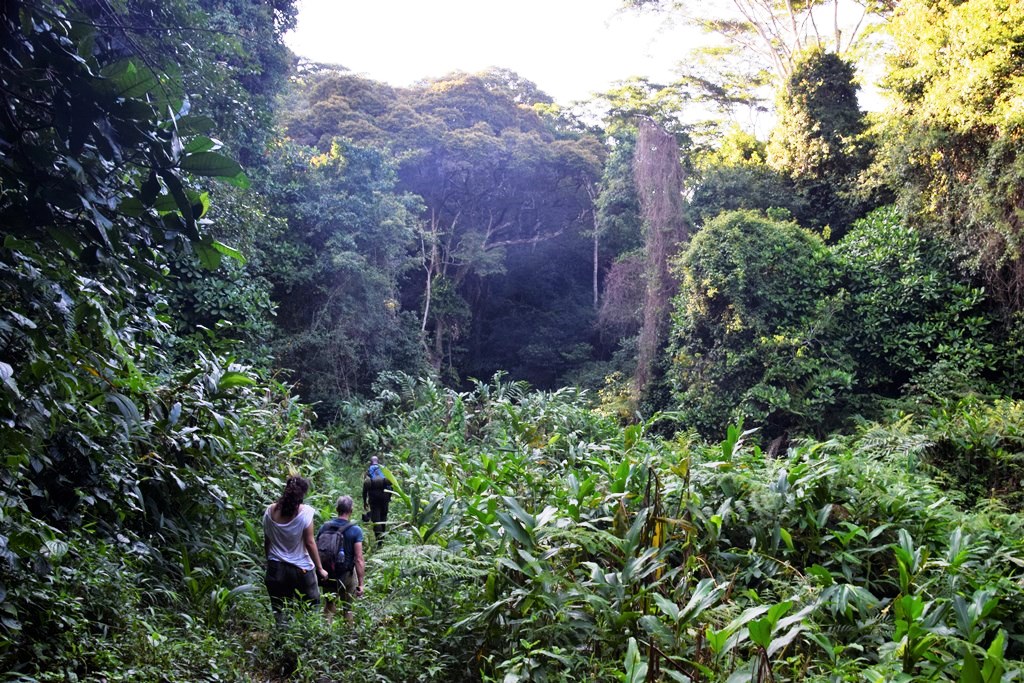
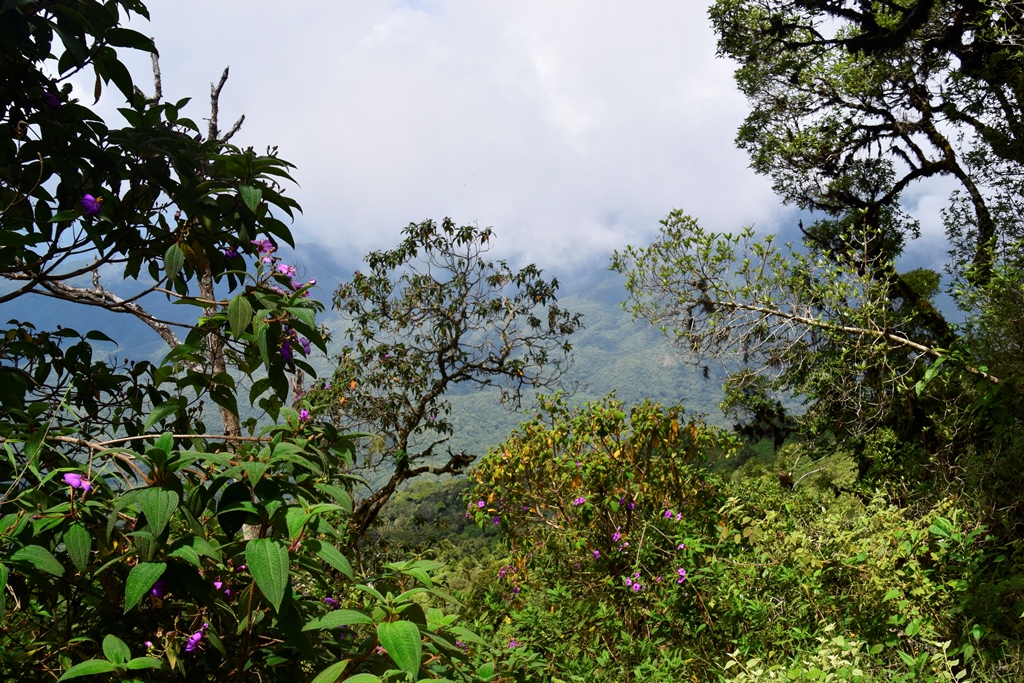
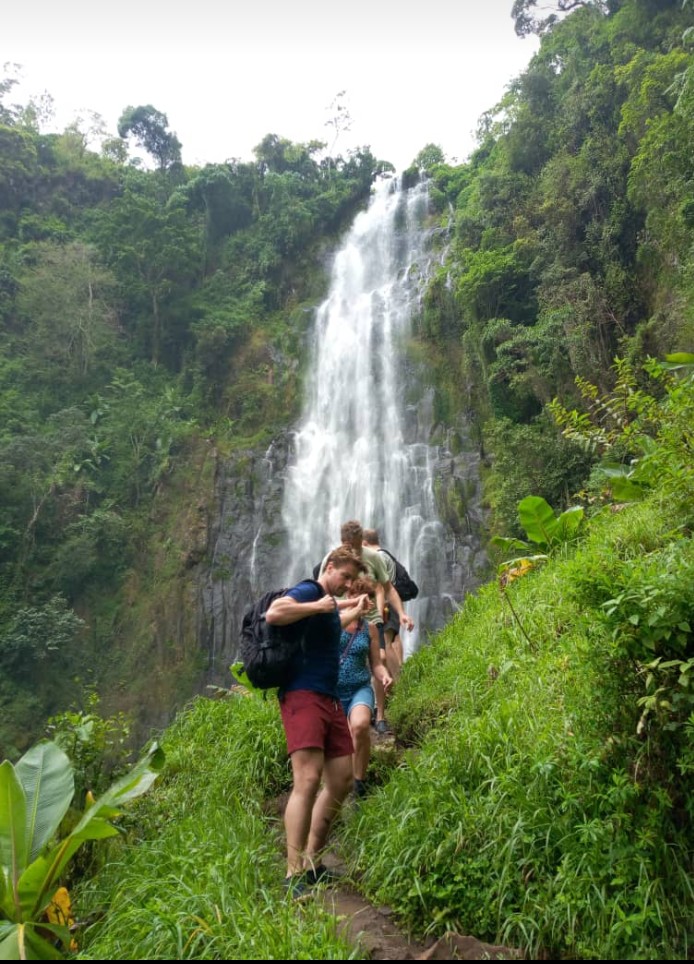
Day Tour to Materuni Waterfall & Coffee Tour
From $100.00
Currency
Switch currency instantly.
Safari Package
Dar es Salaam is Tanzania's most important city and the economic and cultural center of Tanzania. Dar’s name translates to the ‘Place of Peace’. It started life as a fishing village in the mid- 19th century, when the Sultan of Zanzibar developed a creek (now a harbor) into a safe port and trading center. Now it’s a teeming metropolis of 5.5 million people where Arab dhows mingle with huge ocean-going vessels.
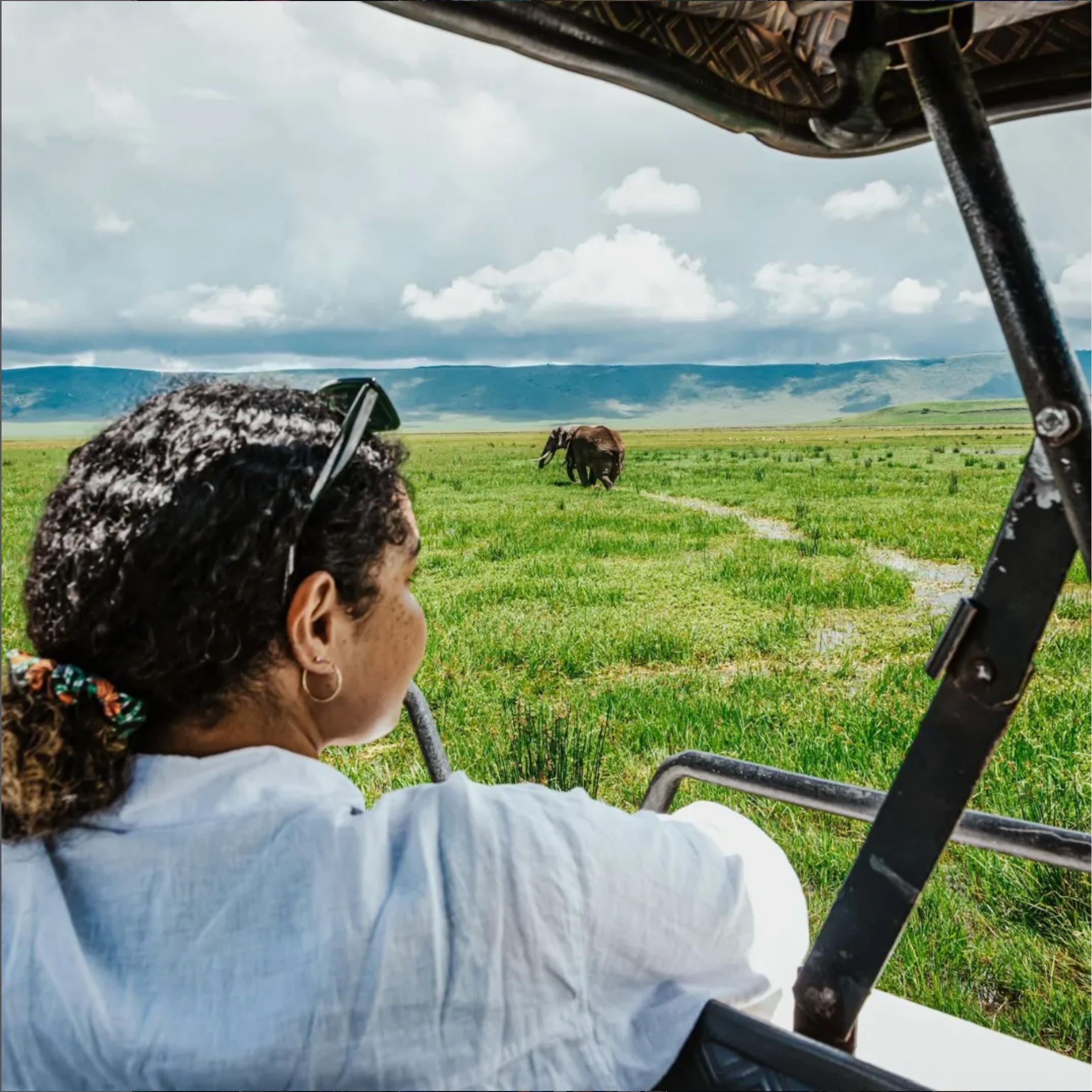
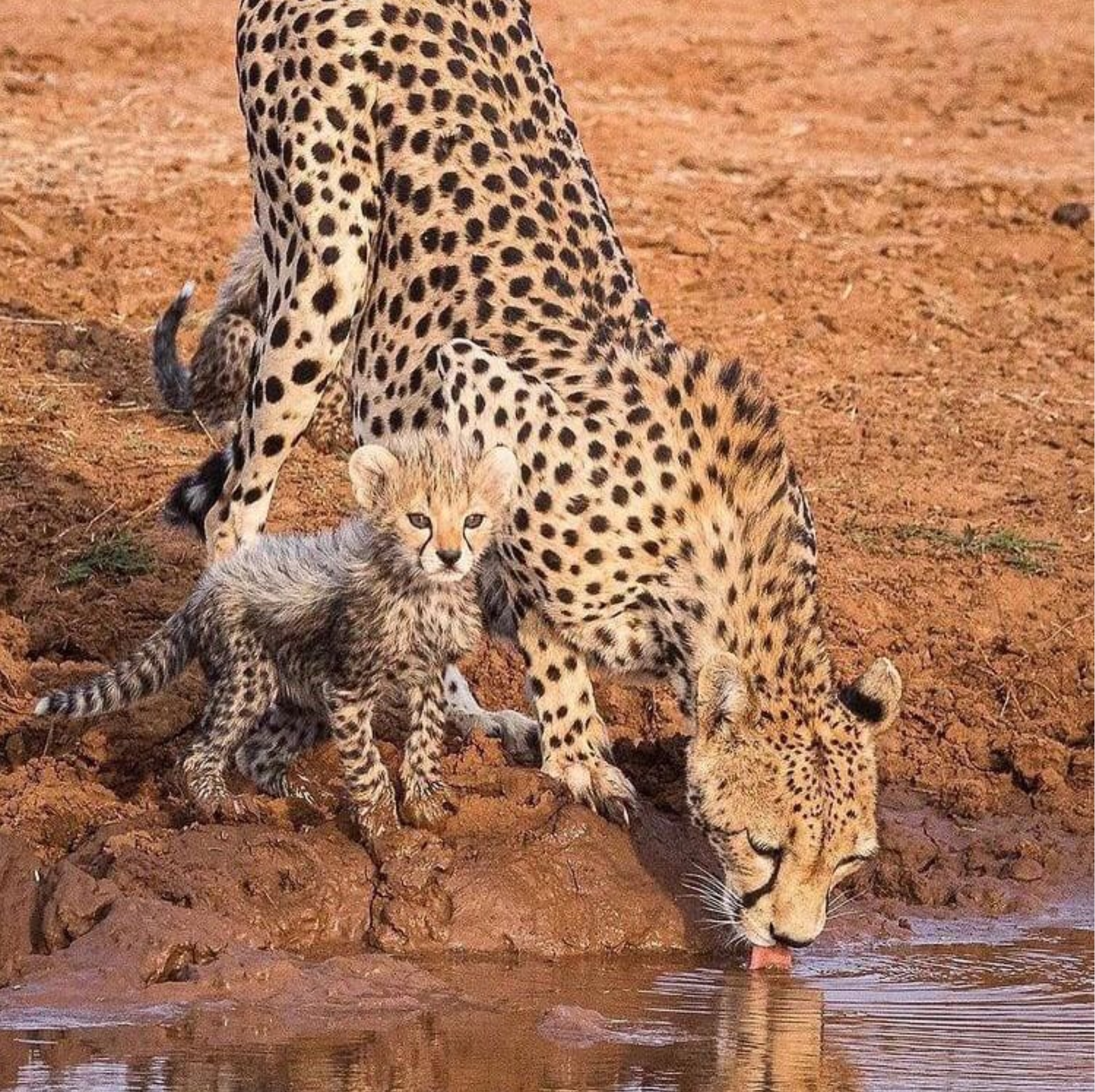
For those who want to avoid crowds of tourists and experience a safari adventure “off-the-beaten-track”, the southern safari circuit would be perfect for that. The parks included in the southern safari circuit are Nyerere National Park (before Selous G. R.), which has been a World Heritage Site due to its biodiversity since 1982, Ruaha National Park, Mikumi National Park, and Udzungwa Mountains National Park. The parks in this region are huge, unspoiled, remote and are full of a spectacular diversity of wildlife and they offer exceptional birding opportunities. In Nyerere National Park you can find the world’s densest population of the last remaining African wild dogs and there are approximately 3,700 lions – the largest population in Africa. Ruaha National Park, one of Tanzania's and East Africa's largest parks, is home to one of the largest elephant populations in the world and is a bird-watching paradise with about 500 species of birds. The source of life for this park is the Great Ruaha River, which attracts large herds and therefore many predators to its banks during the dry season. The southern circuit offers activities that cannot be experienced in the north. For example, guided walking tours, that give you a chance to get closer to nature and boat safaris, like in Nyerere National Park where the Rufiji River with its numerous side arms and large lakes forms a labyrinth with islands, sandbars and lagoons and you can see crocodiles sunbathe on their banks and hippos wallow in the water. The landscape of the Mikumi N. P. is often compared to that of the Serengeti and is considered one of the best observation areas for the biggest antelope in the world – the eland antelope. And finally, the Udzungwa Mountains National Park, which is a part of 34 biodiversity hotspots due to its rich levels of biodiversity and endemism. Its massive forest panoramas and variety of gorgeous waterfalls are a great draw for trekkers. The park is home of an important population of primates, including the Sanje Mangabey and the Iringa Red Colobus, which you can find only here. There are 2500 plant species, 25% of which are endemic, and over 400 different bird species have been counted. On the way to Ruaha Nationalpark you can visit the “Isimila Stone Age Site” and the museum with small, well-captioned displays highlighting some of the discoveries. You walk through ancient canyons and pillars. Fossilized bones of mammals; an extinct hippopotamus and over 60.000 years old tools are some of the stone age finds found here.
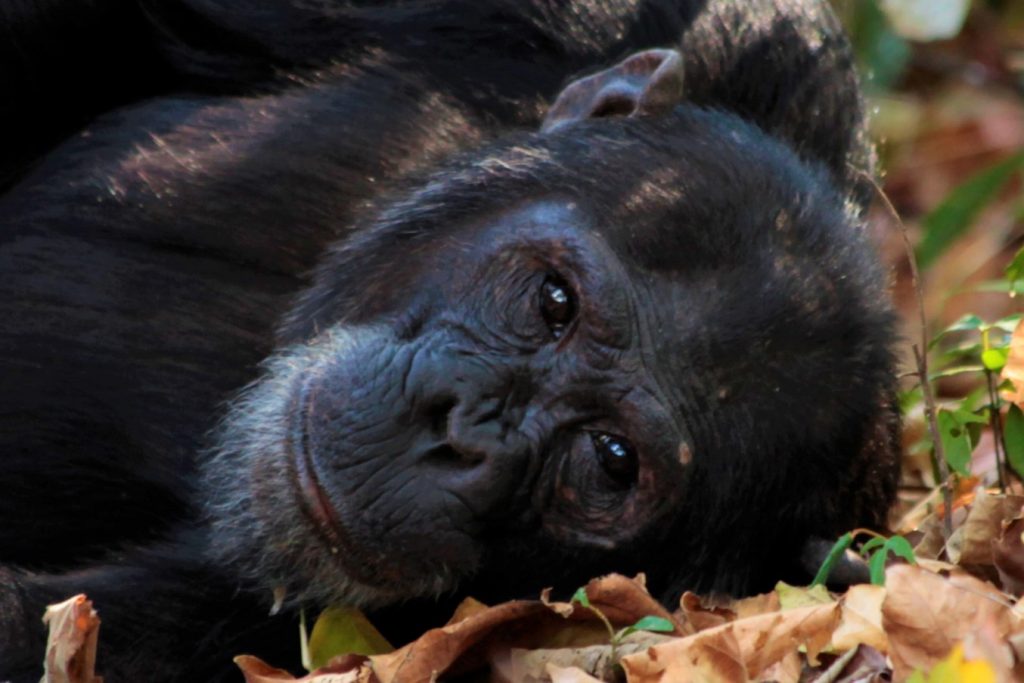
A Highlight of this tour is surely the visit of Gombe Stream National Park, the smallest national park in Tanzania, that is located in the western Kigoma Region on the wild shores of Lake Tanganyika. Its main attraction are the chimpanzee families that live in the park. This park became famous for Jane Goodall, the resident primatologist who spent many years in its forests studying the behavior of the endangered chimpanzees. But hiking and swimming are also popular activities here, once the day’s expedition to see the chimpanzees is over.
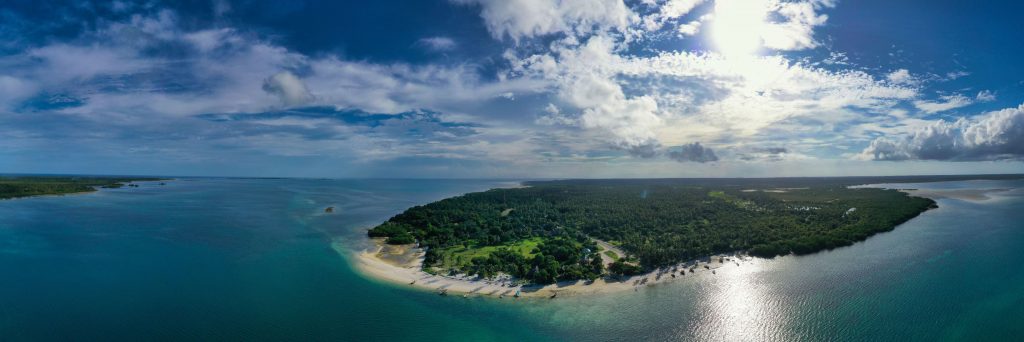
Our last highlight and still an insider tip on this tour, is “Mafia Island”, a green, natural island with coconut palms in abundance, white sandy beaches and the clear, shimmering blue Indian Ocean with the most colorful and diverse underwater world of Tanzania. Among divers and snorkelers, Mafia is one of the best areas on the East African coast. Whale sharks, humpback whales, and fruit bats are also among the animals living here. A trip to the island of Juani makes it possible to observe how small turtles hatch from their eggs and master their first way towards the ocean. Other sports such as fishing and deep sea-fishing, kayaking, hiking and cycling are possible. Since the island of Mafia was an important Arab trading post, there are still some ruins from the 12th to 15th centuries, especially on the offshore islands of Chole and Juani. Sail to some of the islands in a traditional Arabic dhow and after a picnic, explore the area or relax on a pristine sandy beach or on a deserted sandbar in the sea.
We pick you up at Julius Nyerere International Airport in Dar es Salaam and transfer you to your accommodation. Depending on your arrival time, we can organize a city tour for you (optional).
Meals: Lunch (depends Of Arrival), Dinner
Possible Accommodation: Tiffany Diamond Hotel / Nikko Hotel (basic) or Four Points by Sheraton Hotel (mid-range), Hyatt Regency, The Kilimanjaro (luxury)
After breakfast you will be brought to the airport in time for your scheduled flight to Kigoma Town. Upon arrival, you will be driven to the port on Lake Tanganyika and then taken by boat to Gombe Stream National Park. In the afternoon, you may be able to spot some chimpanzees and visit the Kakombe waterfalls. Kakombe is about a 30-minute walk from the camp. You will often come across these waterfalls when tracking for chimpanzees.
Meals: Breakfast, Lunch, Dinner
Possible Accommodation: Gombe Rest House or Gombe Cottage (budget) / Gombe Forest Lodge (luxury)
After breakfast set off to track chimps in the forest. If you don't take a packed lunch with you, you usually return to your accommodation at lunchtime. There are many options in the afternoon depending on how energetic you feel. Choose between further chimpanzee tracking, beach walk or swimming. It is also possible to visit a local fishing village near the park and experience life in a typical African village firsthand.
Meals: Breakfast, Lunch, Dinner
Possible Accommodation: Gombe Rest House or Gombe Cottage (budget) / Gombe Forest Lodge (luxury)
After breakfast you take a boat to Kigoma Town. From there you will be transferred to the airport in time for your scheduled flight back to Dar es Salaam. You will be picked up from the airport and taken to your accommodation.
Meals: Breakfast, Lunch, Dinner
Possible Accommodation: Tiffany Diamond Hotel / Nikko Hotel (basic) or Four Points by Sheraton Hotel (mid-range), Hyatt Regency, The Kilimanjaro (luxury)
We drive directly to Mikumi National Park for an afternoon game drive with picnic lunch on the way. Later in the afternoon we drive to one of the two unique viewpoints to watch the sunset before retiring to our accommodation.
Meals: Breakfast, Picnic-lunch, Dinner
Possible Accommodation: Bastian Campsite (budget), Bastian Lodge (mid-range)
After breakfast, you leave the accommodation for another game drive towards the two water holes “Mkata” and “Chamgore”. These water holes offer a good opportunity for game viewing as animals are attracted to these water holes. Apart from the saddle-bill stork, hammer kop and malachite kingfisher, you will also find there monitor lizards and pythons inhabiting the pools. After lunch you set off to the Udzungwa Mountains National Park where you arrive in the mid-afternoon. A restful and relaxing evening at your lodging (optional activity: Magombero Monkey Forest or Mang’ula Village tour).
Meals: Breakfast, Lunch, Dinner
Possible Accommodation: Twiga Hotel (budget); Hondo Hondo Tented Camp (mid-range); Udzungwa Falls Lodge (luxury)
After an early breakfast (early, because you should avoid the hot sun), start walking in this beautiful park, experience the stunning natural beauty of this park. Picnic lunch in the bush then proceed exploring the area. Enjoy the wonderful Sanje waterfall, endemic “Iringa red colobus” and “Sanje crested mangabey” monkeys, colorful birds and butterflies and the beautiful scenery. On top of the waterfall, you can swim in the refreshing plunge pool. In the evening you can experience the sunset before returning to the camp for dinner and overnight. (Optional: shorter trip to Sonje waterfall is possible).
Meals: Breakfast, Picnic-lunch, Dinner
Possible Accommodation: Twiga Hotel (budget); Hondo Hondo Tented Camp (mid-range); Udzungwa Falls Lodge (luxury)
After breakfast we are off to Ruaha with lunch in Iringa Town. We arrive at Ruaha National Park in the afternoon and can have a short, evening game drive or you can relax at leisure around your lodgings until dinner. – Days 9 & 10: Full Day Game drives in Ruaha National Park Game drives in Ruaha National Park, walking in the wilderness – so much wildlife to see! There are many birds in the park too including Eurasian migrants.
Meals: Breakfast, Lunch, Dinner
Possible Accommodation: Tanapa Bandas or Public Campsite (budget), Ruaha River Lodge (mid-range), Ruaha New Cottage or Mwagusi Safari Camp (luxury)
After breakfast, we head back to Morogoro town with a packed lunch and game viewing on the way. We stop at the Isimila Stone Age Site, one of Africa’s most important historical sites and walk through ancient canyons and pillars. After that, you visit the museum with small, well-captioned displays highlighting some of the discoveries. We arrive in the town of Morogoro in the afternoon and give you time to relax and maybe stroll through this charming market town.
Meals: Breakfast, Picnic-lunch, Dinner
Possible Accommodation: Hotel Oasis or Arc Hotel
After breakfast, leave Morogoro Town towards Nyerere National Park with a picnic lunch on the way and a short game drive before you check in at your accommodation. The journey takes you through one of the wildest and most untouched areas of Tanzania, up into the Uluguru Mountains, across rivers and small local villages and farms. The drive is tiring but possibly the most rewarding and adventurous on the southern circuit.
Meals: Breakfast, Picnic-lunch, Dinner
Possible Accommodation: Selous Ngalawa Campsite and Lodge (budget), Mloka Safari Lodge (mid-range), Africa Safari Selous (luxury)
After breakfast we start for a wilderness walking safari, which is accompanied by an armed ranger. On this walk you experience an intimate feeling with the African bush, just like the famous explorers before you. Back for lunch to the accommodation. In the afternoon we organize a boat safari on the Rufiji River, where you can admire hippos and crocodiles in their natural habitat and many other animals and birds on the banks of this beautiful river.
Meals: Breakfast, Lunch, Dinner
Possible Accommodation: Selous Ngalawa Campsite and Lodge (budget), Mloka Safari Lodge (mid-range), Africa Safari Selous (luxury)
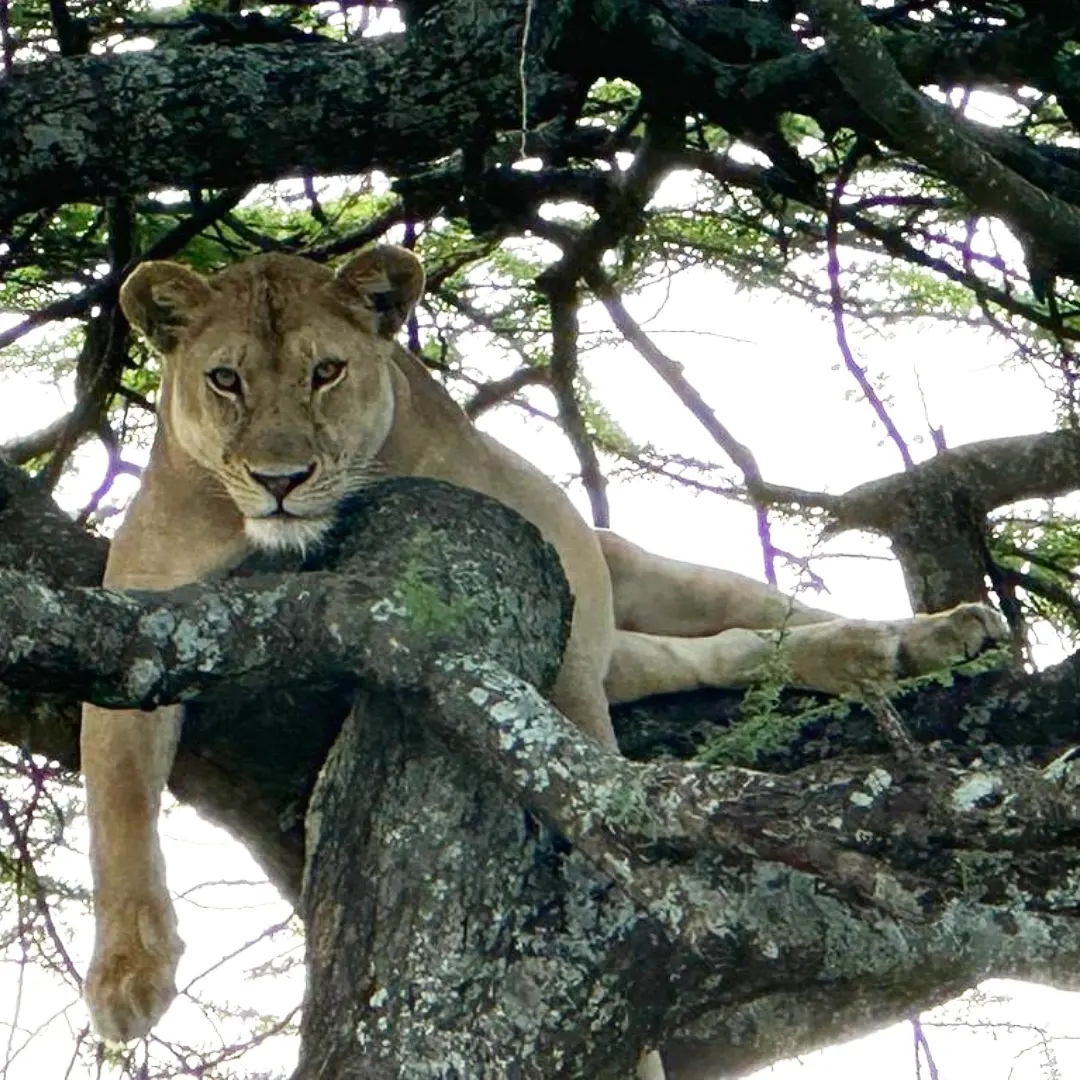
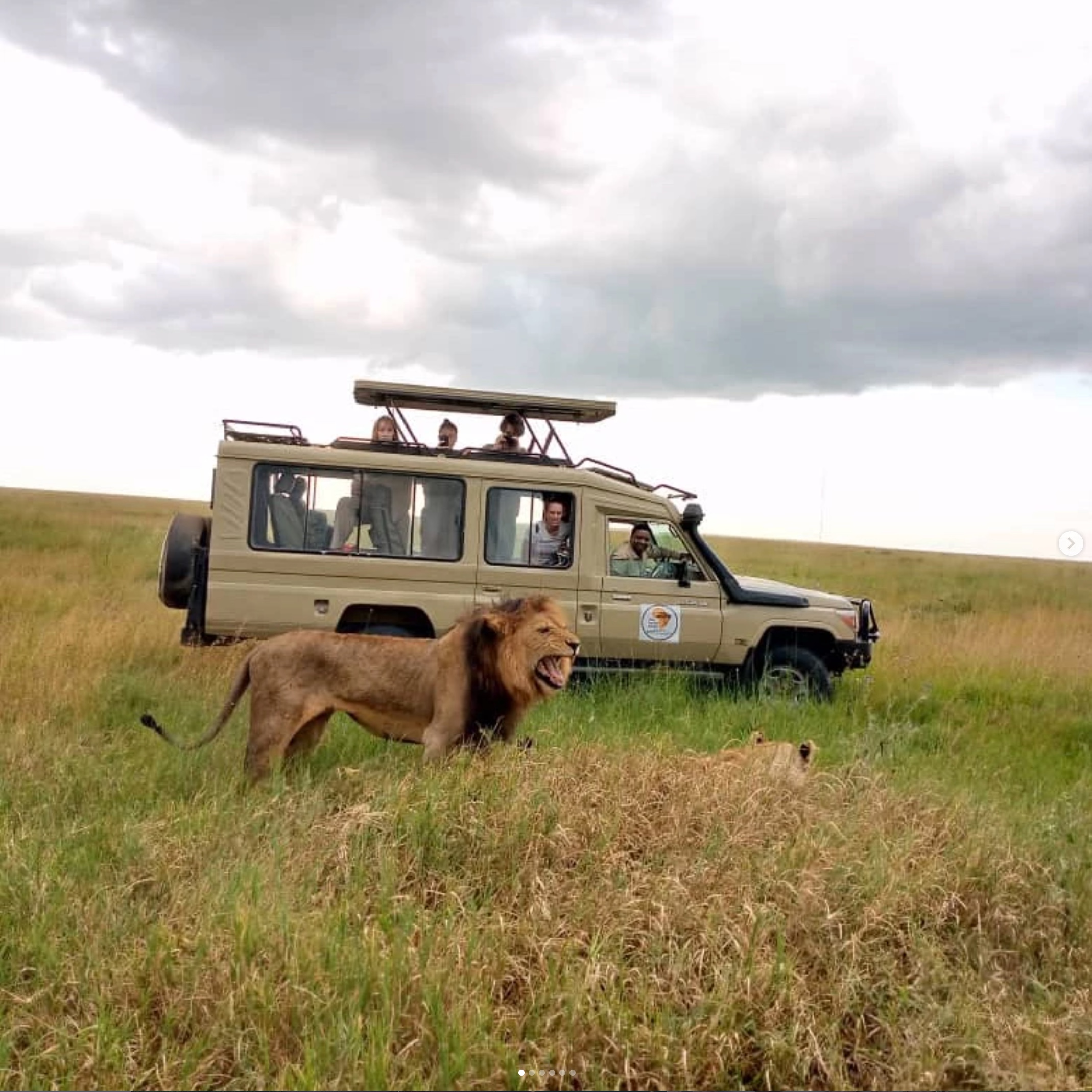
After breakfast we go on a full day game drive in Nyerere National Park, along the Rufiji River and its adjacent swamps, through the savannas and the miombo woodland. In these varied landscapes you may see lion, elephant, kudu, wild dog, leopard – in fact almost any East African animal or bird.
Meals: Breakfast, Lunch, Dinner
Possible Accommodation: Selous Ngalawa Campsite and Lodge (budget), Mloka Safari Lodge (mid-range), Africa Safari Selous (luxury)
A game drive on route to Dar es Salaam, where we arrive in time for your scheduled flight to Mafia Island. On arrival in Mafia you are transferred to your lodgings where you can relax before dinner. – Days 16,17,18 &19: Relaxation on Mafia Island These days are for your leisure on Mafia Island with optional water sports. The warm, colorful waters of the Indian Ocean surrounding Mafia Island provide an ideal location for many seaside activities. Enjoy some of the best diving and snorkeling there is off the East African coast. Explore the many coral reefs that are teaming with tropical marine life. There are over 400 species of fish inhabiting the reefs around Mafia.
Meals: Breakfast, Lunch, Dinner
Possible Accommodation: Big Blue Mafia (budget), Mafia Island Resort or Butiama Beach Lodge (mid-range), Pole Pole Bungalows (luxury)
Transfer to Mafia airstrip for your flight back to Dar es Salaam. Upon arrival in Dar es Salaam, you will be picked up at the airport and taken to your accommodation.
Meals: Breakfast, Lunch, Dinner
Possible Accommodation: Tiffany Diamond Hotel / Nikko Hotel (basic) or Four Points by Sheraton Hotel (mid-range), Hyatt Regency, The Kilimanjaro (luxury)
Transfer to Julius Nyerere International Airport in time for your scheduled flight back home.
Meals: Breakfast.
Starting From
We can adjust accommodation level, route pacing, airport transfers, and add-on destinations without losing the core itinerary flow.
Safari FAQ
These answers are built from the adventure route, travel style, season, and planning details already stored in the product.
Our safari packages typically include accommodation, meals, game drives, park fees, and airport transfers. Check the individual package page for the full inclusion list.
East Africa can be visited year-round. The dry seasons (June–October and January–February) offer excellent wildlife viewing. The green season provides lush landscapes and fewer crowds.
You can enquire via WhatsApp, email, or our online planner. Our team will contact you within 24 hours to discuss your dates, budget, and preferences.
Absolutely. All Kedani safaris can be tailored to your travel dates, budget, group size, and interests. Use our Tailor-Made Safari planner to get started.
Request Quote
Tell us your preferred travel dates, number of adults and children, accommodation level, and any add-ons like Zanzibar, cultural visits, or pre/post-safari stays.
Inquiry
Share your preferred travel dates, group details, and any special requests, and we will come back with the right quote and adventure advice.
Related Safaris
From $100.00
From $520.00
From $190.00
From $640.00