Detailed Overview
Nyerere National Park (before Selous G.R.) is one of the spectacular southern circuit national parks of Tanzania which is still relatively undisturbed by human impact.
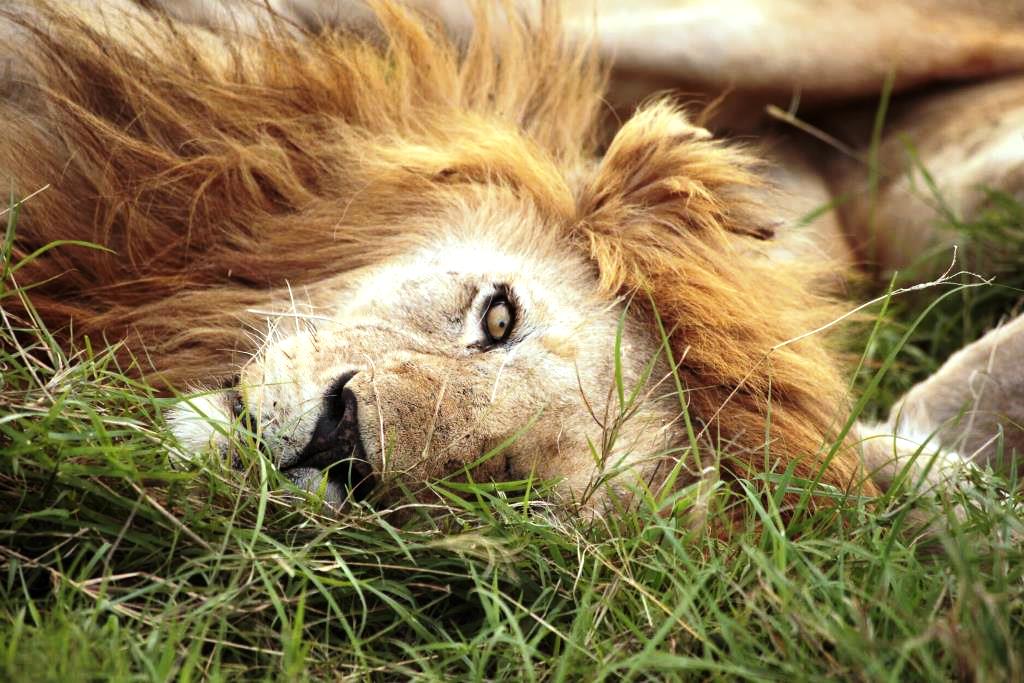
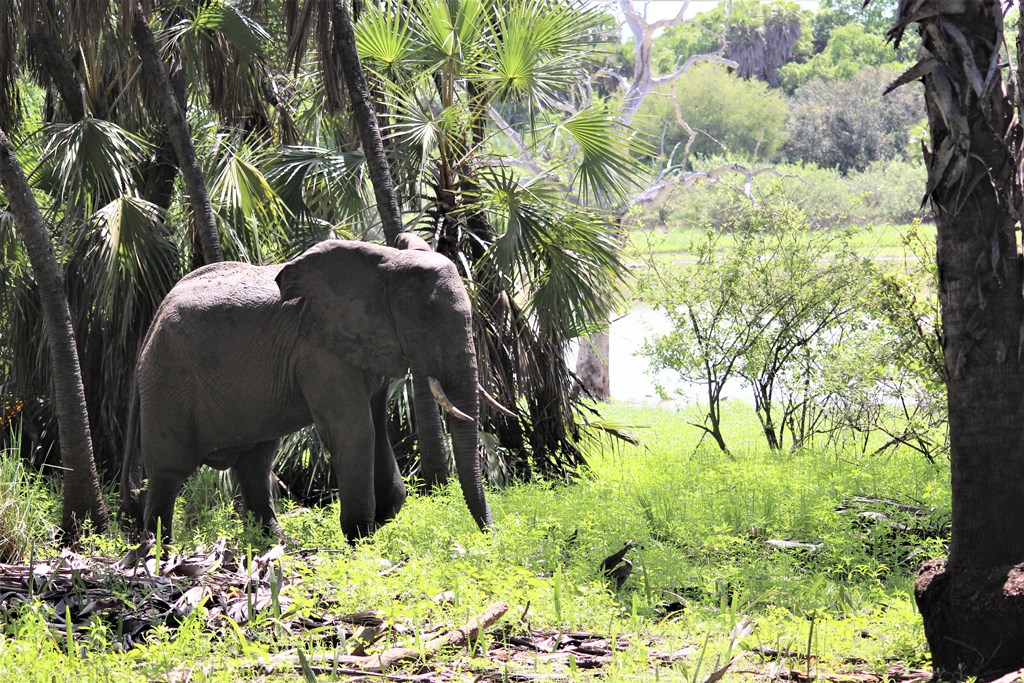
Almost all of Africa’s famous animals can be found in Nyerere National Park, including varieties of birds and reptiles. That’s why Nyerere National Park was already declared a World Heritage Site by UNESCO in 1982 and the UN ranks Nyerere National Park among the 25 most biodiverse regions in the world. The population of African wild dogs is the largest on the entire continent with 1300 animals and there are approximately 3,700 lions – one of the largest populations in Africa and furthermore the park is home to more than half of Tanzania’s elephant population. Nyerere National Park has a great variety of habitats such as swamps, open grassland, riverine forests and the Miombo woodlands with impressive baobabs and acacia trees as well doum- and borassus palms up to 30 meters high and mango trees can also be found in well-watered places. The Rufiji River with his numerous side arms and large lakes forms a labyrinth with islands, sandbars and lagoons. Crocodiles sunbathe on their banks and hippos wallow in the muddy water.
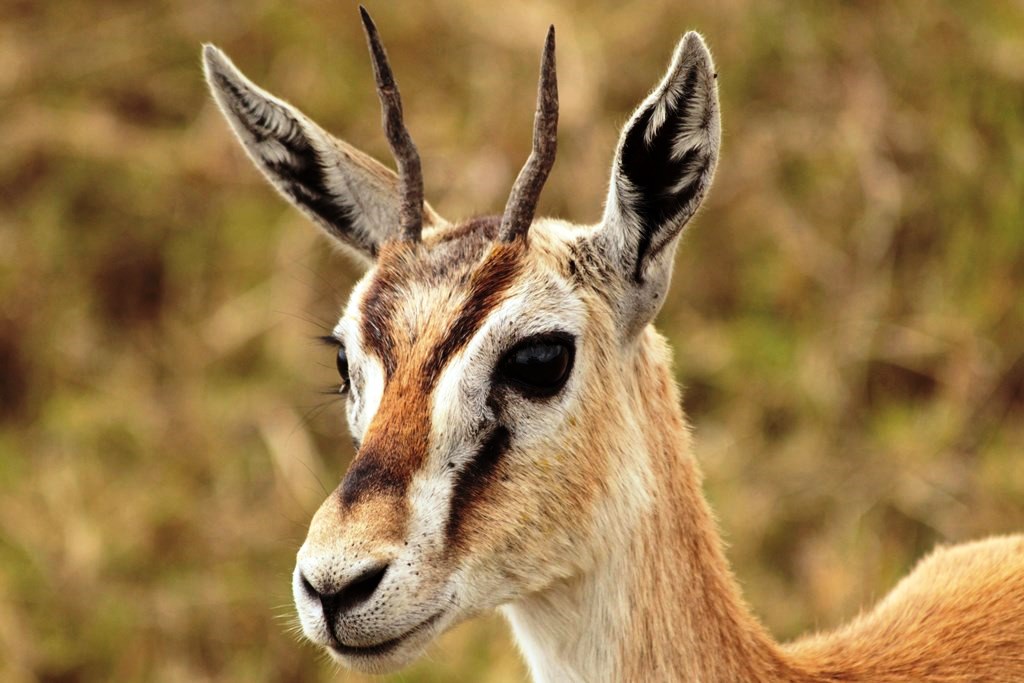
Mikumi Nationalpark is located 286 km from Dar es Salaam and is the fifth largest National Park in Tanzania. The park is one ecosystem with Nyerere National Park and therefore elephants, buffalos and zebras are migrating to and from the northern part of Mikumi N. P. The grass savannas of the Mkata Floodplains in the northwestern part of the park can be compared to those of the Serengeti. The southern depressions form water courses which flow to Mkata River and supporting large population of wildlife including buffalo, wild dog, eland, elephant, giraffe, hartebeest, zebra, leopard, lion, impala, sable antelope, warthog, waterbuck, wildebeest, and greater kudu. Yellow baboons, impala and reedbuck are commonly seen at Kisungura area along the Mkata River. The Park habitat is also among one of the richest in the world for residence and migratory birds. More than 400 species of birds have been observed in this park.