South & Coast
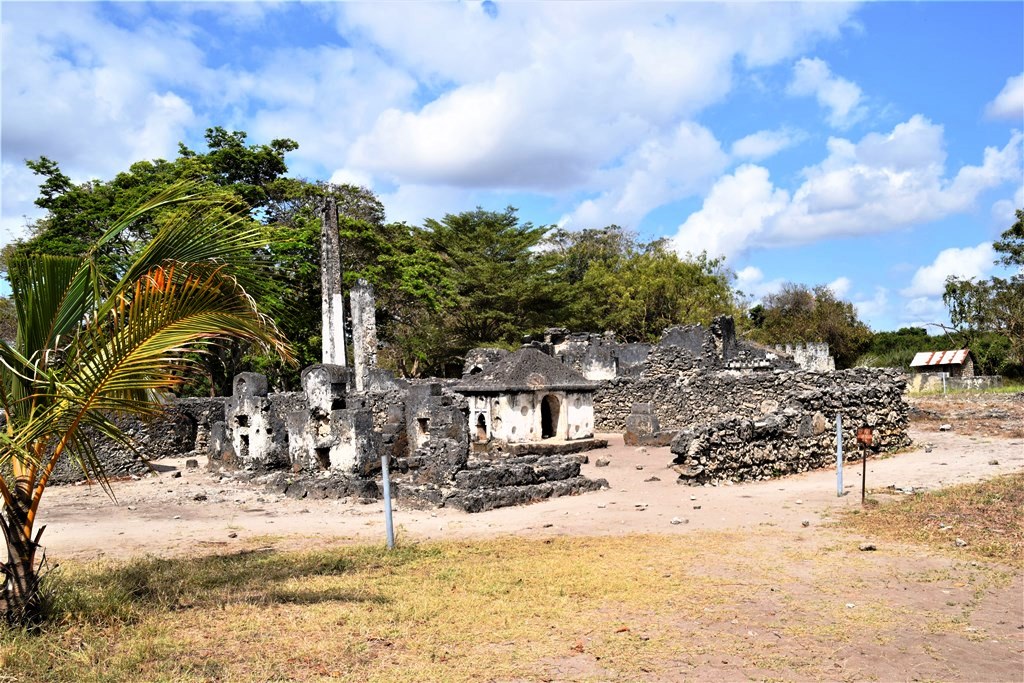
Day Tour Historical Bagamoyo
<ul> <li>On the trail of the past</li> <li>Arabic, German, British history and old colonial buildings</li> <li>Admire the beautifully carved doors of Bagamoyo</li> </ul>
View PackageNorth
<ul> <li>Tarangire: Enjoy tree climbing lions, abundance of elephants, huge baobab trees and termite mounds dotting the hills</li> <li>Ngorongoro: Impressive crater landscape, fantastic views, abundance of wildlife and the Olduvai Gorge with the oldest human bone finds</li> <li>Serengeti: Breath-taking savanna landscape, highest animal density, wildebeest migration</li> <li>Lake Eyasi: Go on an exciting hunting trip with the Hadzabe bushman, a tribe of nomadic hunter gatherers</li> <li>Meet members of the Datoga tribe and learn about traditional life</li> </ul>
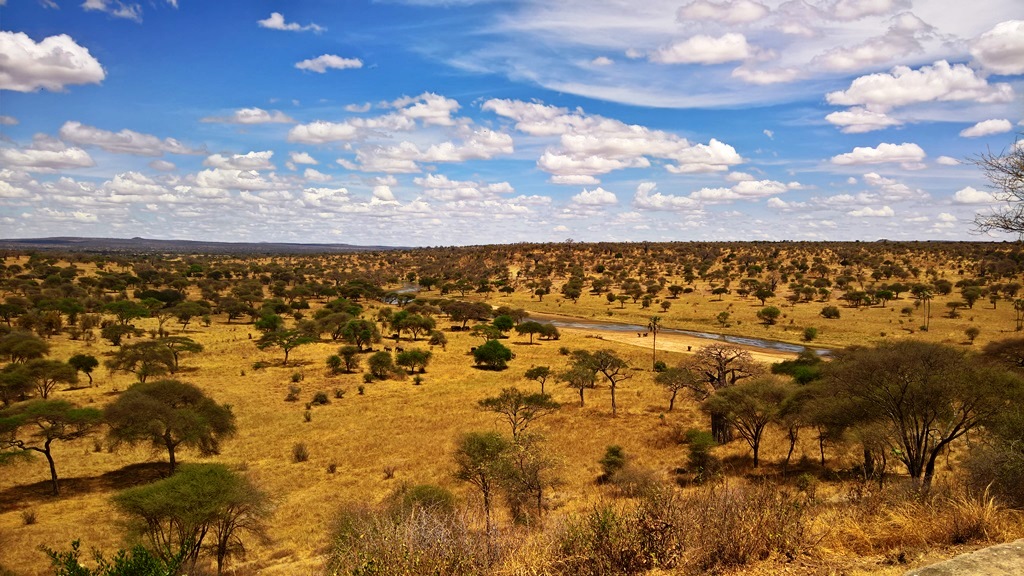
Tarangire National Park is about the size of Luxembourg and is mainly known for its large herds of elephants and its population is estimated at 2500 animals. The landscape is characterized by large Baobabs (monkey bread trees), bush savannah and wetlands and in addition to the many elephants, also Maasai giraffes, gazelles and antelopes, buffalos, lions, leopards, baboons and various species of birds can be seen here.
The Serengeti is especially known for the annual migration of hundreds of thousands of wildebeest and zebras. In October and November, the animals usually migrate from the Maasai Mara in Kenya across the northern Serengeti to the south into the Ndutu area. From May and June, the animals travel across the western Serengeti back to the north into the Maasai Mara. Due to fluctuating weather conditions and the associated rain showers this schedule can be postponed every year. The southern Serengeti is known for its grass savannah with many Kopjes (rock formations). As the landscape is ideal for hunting it is home to large wild cats, such as cheetahs, lions and leopards.
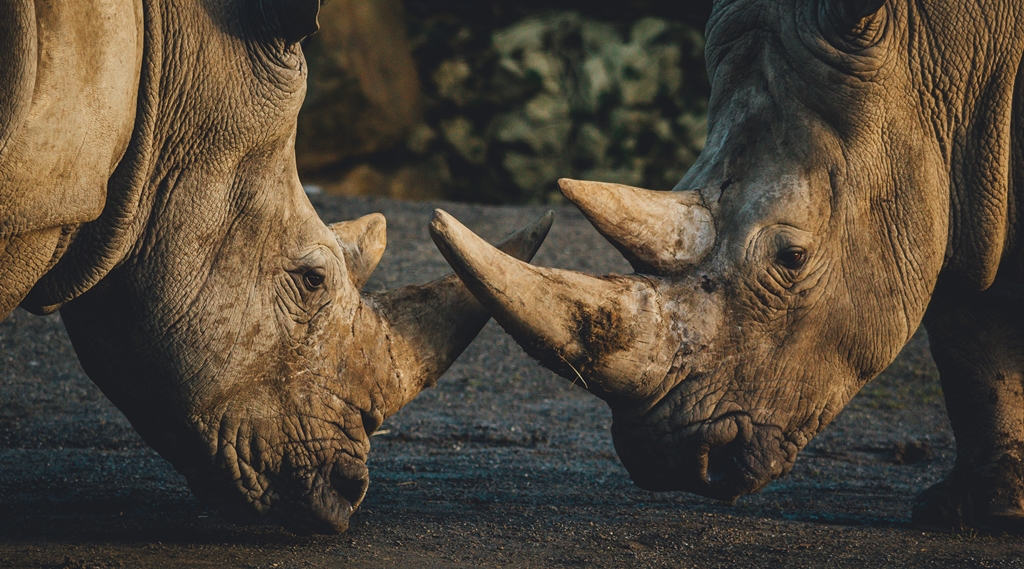
The landscape of the Ngorongoro Crater is characterized by grassy steppes and acacia forests and offers after the endless expanse of the Serengeti with the steep crater slopes a nice change. It is one of the most densely populated African wild areas in the world and is home to an estimated 30,000 animals, including some of Tanzania’s last remaining black rhinos. Flocks of wildebeest, zebras, buffalos, eland antelopes, warthogs, hippos and giant African elephants live here. Another great attraction of this picturesque crater is its huge population of predators, including lions, hyenas, jackals, cheetahs and the ever-elusive leopard. The Ngorongoro Crater is often referred to as “Africa’s Garden of Eden”, “Africa’s 5th Natural Wonder” and takes part of the UNESCO World Heritage Sites due to its impressive abundance of animals.
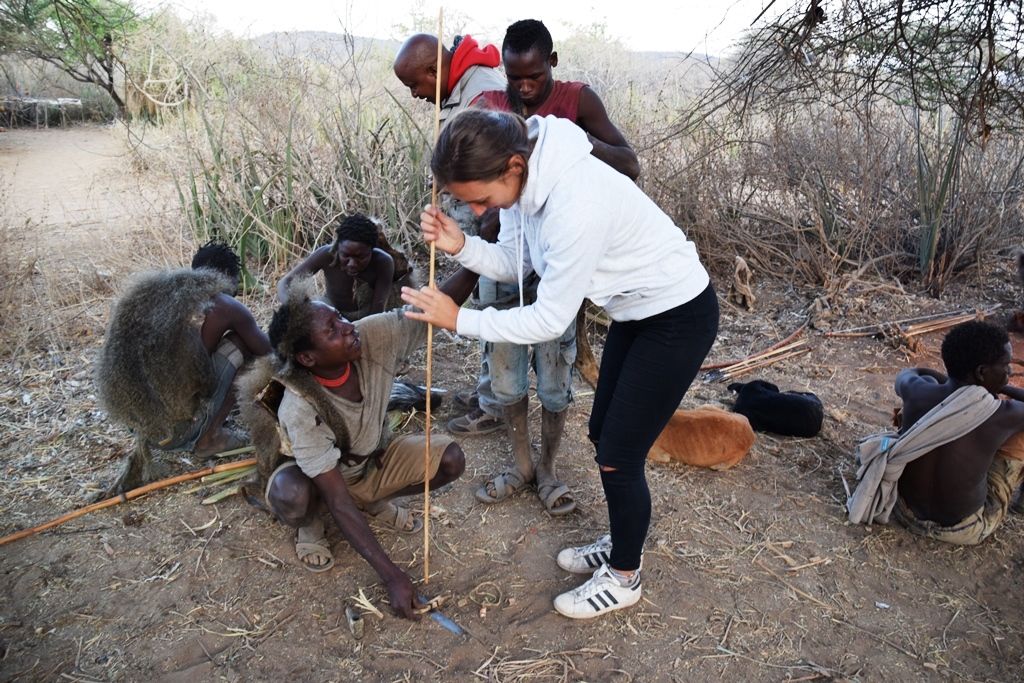
An hour’s drive west of Karatu is the largest of the slightly alkaline Great Rift Valley Lakes. The impressive crater highlands extend to the northeast, while the wide plains of the Serengeti stretch to the north. Only a few tourists visit Lake Eyasi. Anyone who takes the time is enthusiastic. The landscape, the vastness, the wildness, the reduction to the essentials and finally the life of the people, as we can no longer imagine in Western countries, leave no visitor cold. The area is inhabited by Bushmen, the Hadza and the Watindiga, who still hunt with bows and arrows and collect roots, tubers and fruits. Another tribe in this area are the Datoga, skilled farmers and craftsman collecting scaps of iron, which melt in ingots from which to obtain ornamental objects. In fact, they are skilled smiths and realize arrowheads and other objects that then they barter in exchange for honey and animal skins with the bushmen.
Package Inquiry
This section is placed after the main content so visitors can ask about dates, travelers, accommodation level, or pricing once they understand the trip.
Inquiry
The form can connect to your preferred plugin shortcode, or use the built-in fallback email handler.
Related Packages
South & Coast
<ul> <li>On the trail of the past</li> <li>Arabic, German, British history and old colonial buildings</li> <li>Admire the beautifully carved doors of Bagamoyo</li> </ul>
View Package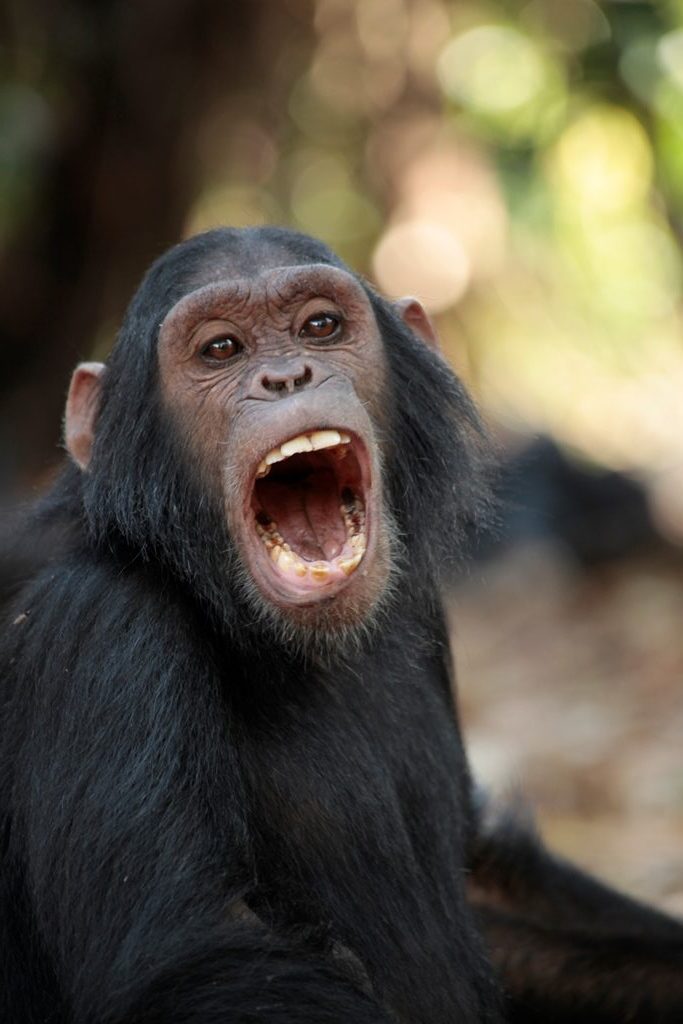
West
<ul> <li>Experience wild chimpanzees in their natural environment</li> <li>Boat trip on the second deepest and longest freshwater lake in the world</li> <li>Enjoy the beach and the evening starry sky above Lake Tanganyika</li> <li>Take a brief look at the history of the city of Kigoma and the village of Ujiji</li> </ul>
View Package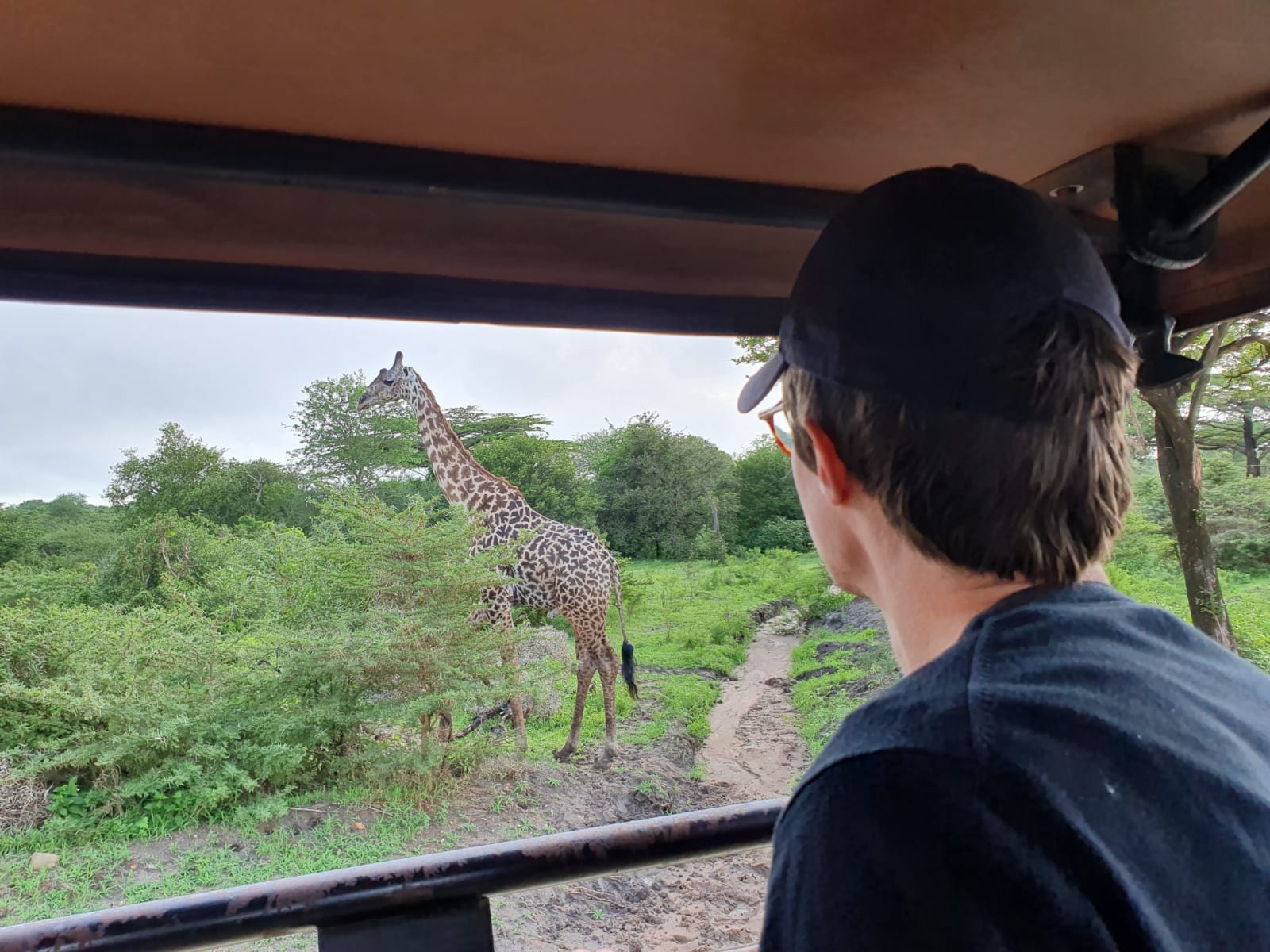
South & Coast
<ul> <li>Still relatively unspoiled and an insider tip</li> <li>Undisturbed safaris due to fewer tourists</li> <li>Enjoy the variety of game viewing safari activities by boat, 4x4 or on foot</li> <li>Large lakes and rivers</li> <li>Experience magnificent safari animals and landscapes</li> <li>Perfect spot for ornithologists</li> </ul>
View Package