4 Days Climb Mount Meru
From $990.00
Currency
Switch currency instantly.
Safari Package
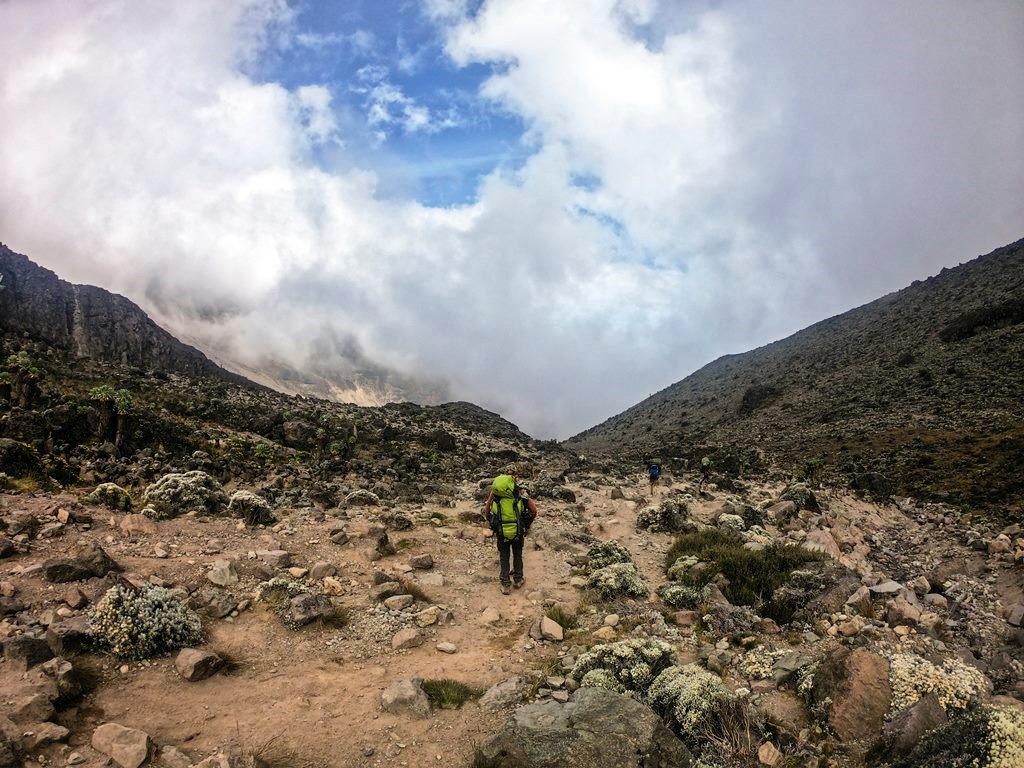
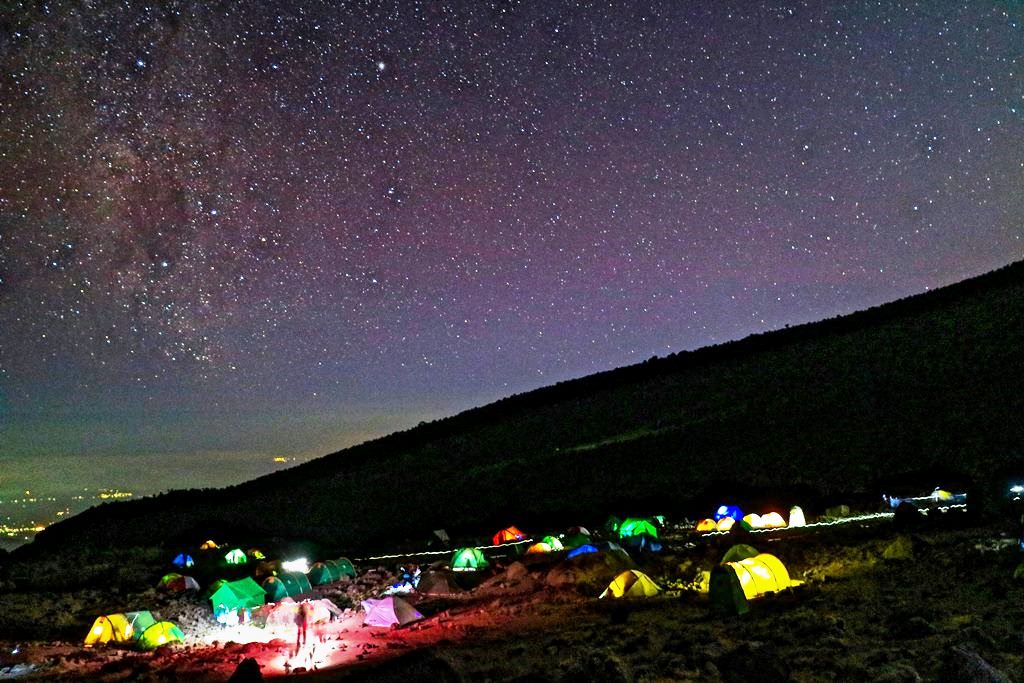
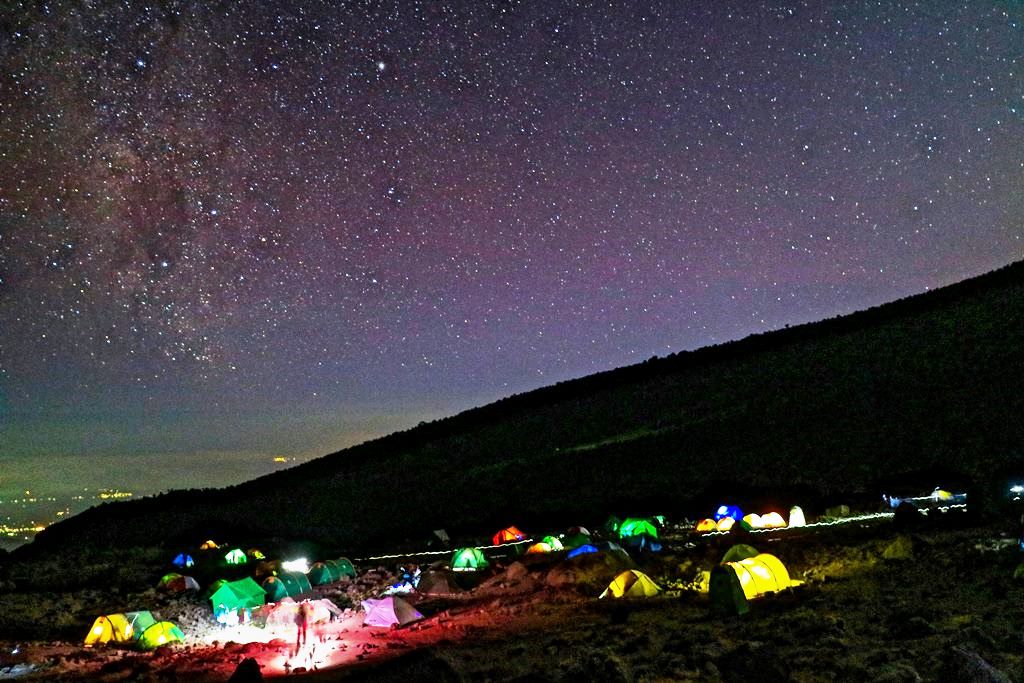
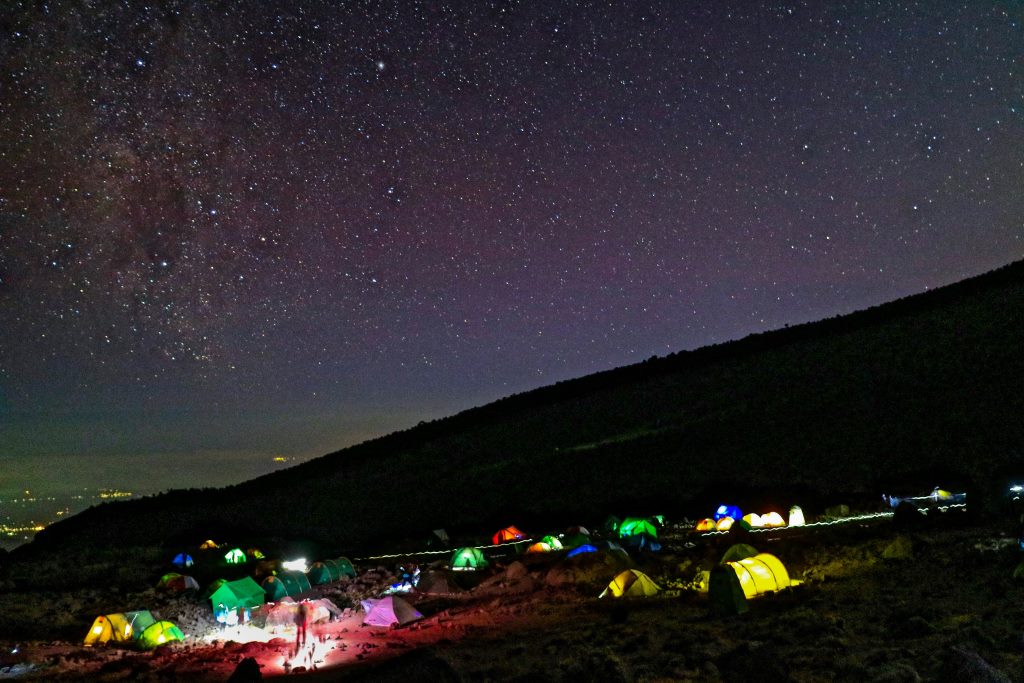
The Rongai Route is one of the simpler routes that gradually approaches the summit and starts in the north of Kilimanjaro near the Kenyan border. Before that, the way to register is at Marangu Gate. This route is used only for ascent, the Marangu route for descent which offers an additional variety. Even if the landscape on this route is not as impressive as on others, you hike through pristine rainforests and you have the possibility to enjoy African wildlife here. There are only a few hikers on this route, only from the Kibo Camp does the route mix with the Marangu Route. The paths are easy to walk and very dry, because the north side of Kilimanjaro generally has less rainfall, which makes the route a good alternative even in the rainy season.
Due to the fact that the Rongai route is a moderate route, it is especially recommended for those with less experience in hiking. Nevertheless, this route should not be underestimated and requires sure-footedness and fitness. The tour can be done in 6 or 7 days, whereby the 7 day route offers a maximum time for acclimatization.
1.950 m / 6,398 ft – 2.750 m / 9,300 ft Duration: 3 – 4 h
2.750 m /9,300 ft – 3.600 m / 11,811 ft Duration: 6 – 8 h
3.600 m / 11,811 ft – 4.300 m / 14,160 ft Duration: 3 – 4 h
4.300 m / 14,160 ft – 4.390 m / 14,400 ft – 4.300 m / 14,160 ft Duration 3 – 4 h
4.300 m / 14,160 ft – 4.700 m / 15,430 ft Duration: 5 – 7 h
4.700 m / 15,430 ft – 5.896 m / 19,341 ft – 3.720 m / 12,250 ft Duration: 11 – 14 h (up 6 – 8 hours, down 5 – 6 hours)
3.720 m / 12,250 ft – 1.870 m /6,046 ft_ Duration: 4 – 5 h Detailed Itinarary – Day 1 Arrival and transfer to your accommodation in Moshi Welcome! Karibu sana! – Today you will be picked up at Kilimanjaro International Airport or Arusha Domestic Airport and then taken to your accommodation in Moshi. The drive from Kilimanjaro Airport to Moshi takes approximately one hour. We meet in the hotel for a short preparatory talk.
Meals: Dinner (depends On Arrival)
Possible Accommodation: Salinero Hotel or Parkview Inn
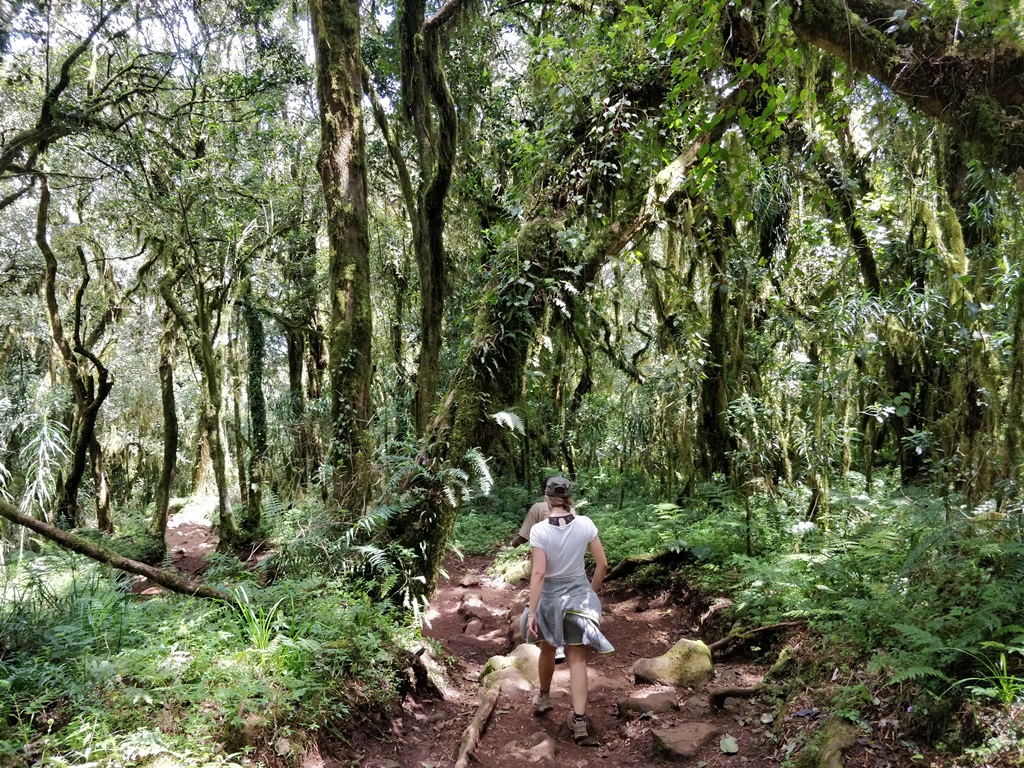
After breakfast we drive to the National Park Gate just before the Tanzanian / Kenyan border, which is located on the northern flank of Kilimanjaro. After registration, the hike begins on a forest road through maize and potato fields, before going steadily uphill through the forest. Here you can discover a variety of animals, such as the black and white colobus or colobus monkeys in the tops of the trees.
In the morning you continue to climb steadily to the second cave (3.450 m 11.320 ft). It is usually clear in the early morning and as you ascend over the moor- and heathland you should have good views of the Kibo, the eastern ice fields and to the left to the rugged peak of Mawenzi. We leave the main route and turn onto a smaller path across the moorland towards Mawenzi. The path winds steadily uphill over several mountain ridges and small valleys. The campsite is located in a depression near the Kikelewa Caves.
Today's hike takes us a short, steep stretch up a grassy slope with superb views of the mountain. We leave the moor landscape behind us. Now we are so high that the landscape is starting to look a bit bare. The vegetation is losing its color and the soil is more and more barren. We have reached the Alpine Desert Zone. The hike takes us in only a few hours to the tarn which is located in a circle directly below Mawenzi. After this hort hike you can rest in the afternoon. We will camp here for two nights.
This is an extra day meant for acclimatization and can be spent day hiking on Mawenzi Ridge. The unique landscape offers motivating views of Kibo and Mawenzi. After spending a few moments exploring the area we head back to Mawenzi Tarn for camp.
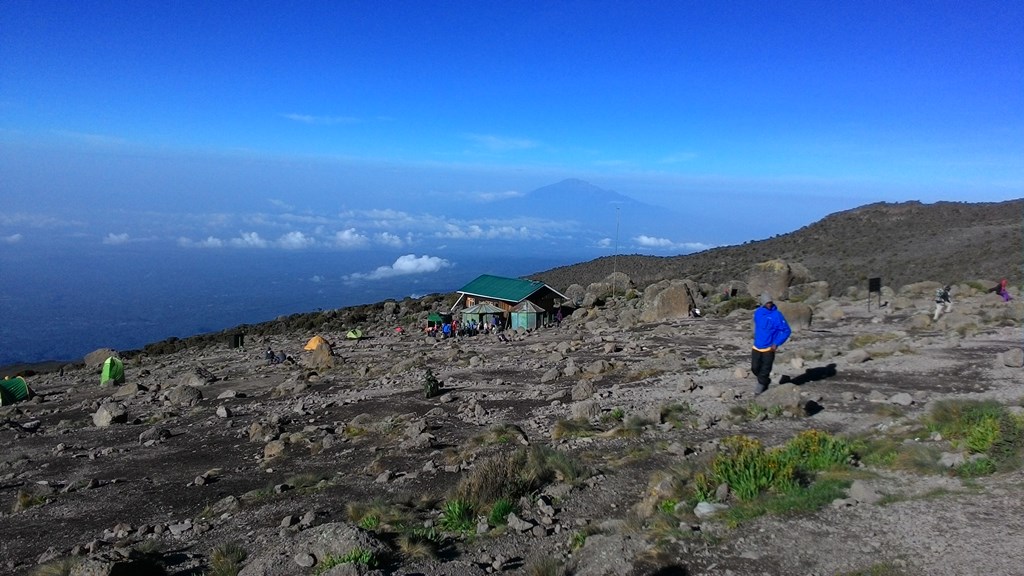
We hike over the Kibo saddle, which lies between the two volcanoes Mawenzi and Kibo. When crossing the alpine desert of the saddle, you have a wonderful panoramic view and you have the Kibo in front of you all day long. Finally, you can also see the path that winds its way up the slopes of the mountain to the summit. Shortly before today's destination, it goes steeply uphill again over rock passages. The camp for the coming night is between large boulders, the school hut. Upon reaching our camp you will spend the day in preparation of the final ascent after a very short night!
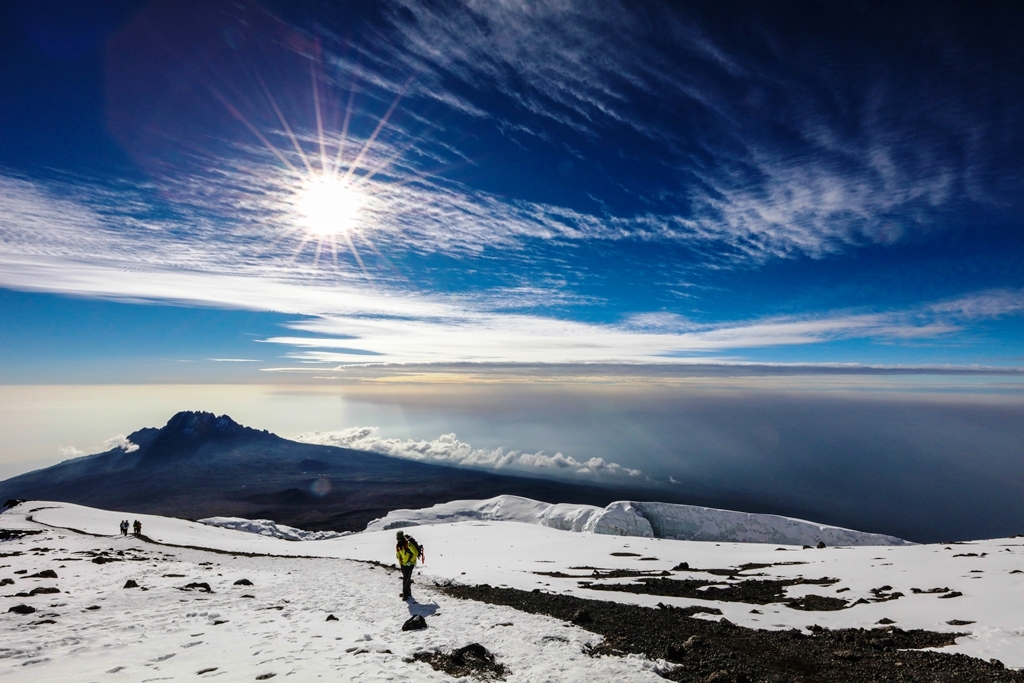
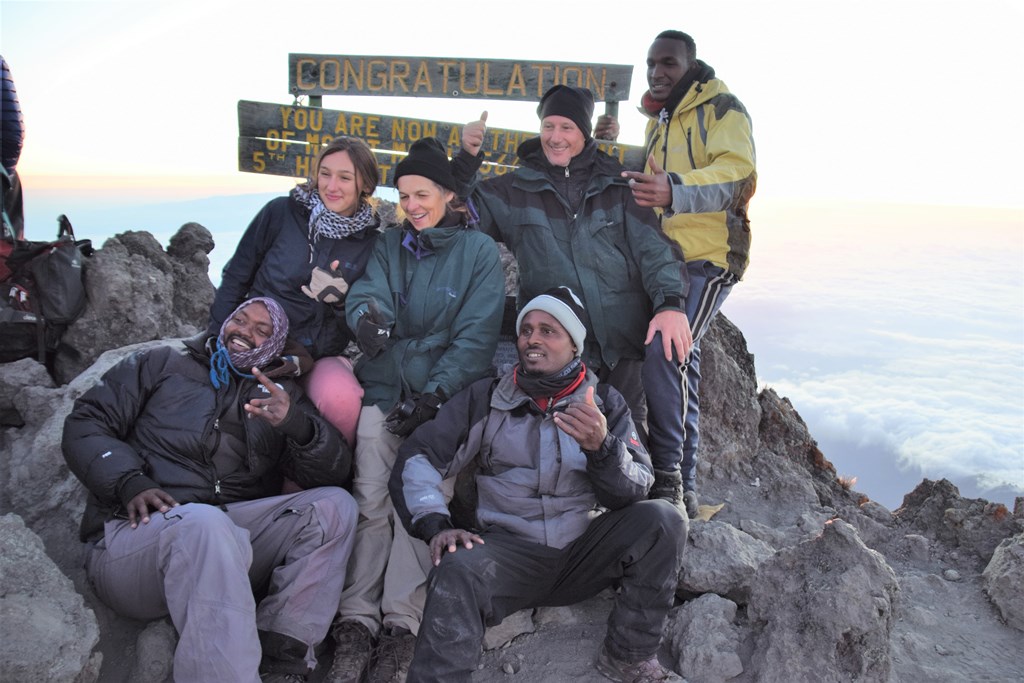
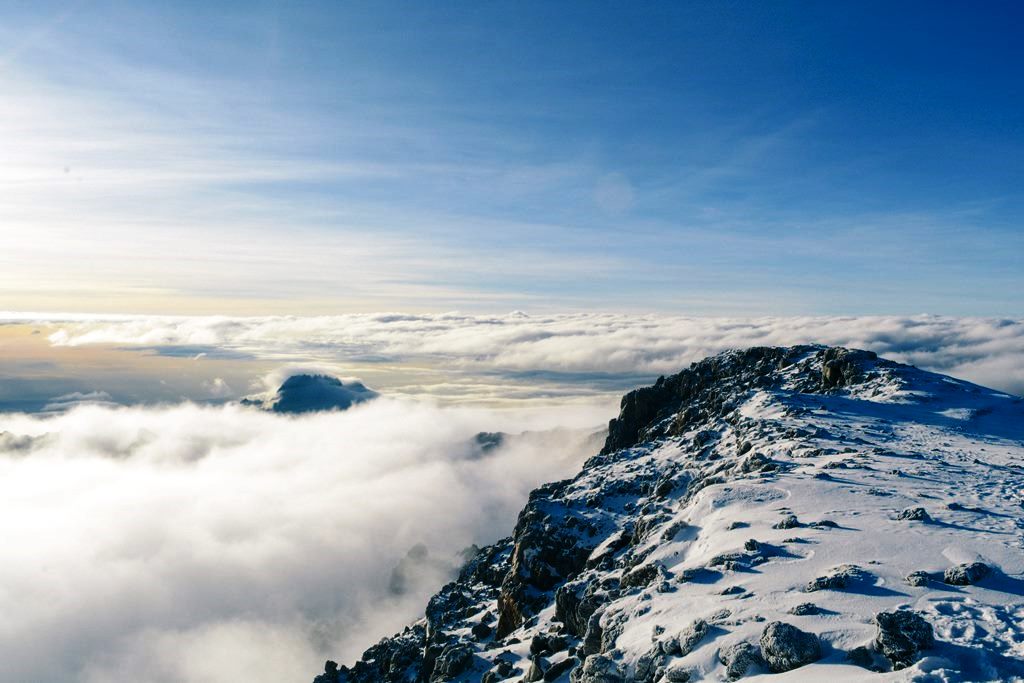
Wake up around midnight for the final ascent to Uhuru Peak, the roof of Africa. After a five-hour hike with a rest at William's Point, about two hours from the Kibo Hut, you reach Gilman's Point at 5.681 m (18,638 ft) on the crater rim with the first rays of sunshine. The glittering red sun reflects the ice fields and the rugged peaks of the Mawenzi. Although this is considered the easiest of the three crater ascent paths, it is still extremely difficult. The hike from Gilman's Point to Uhuru Peak is a gradual climb and not very difficult. However, the altitude makes the hike long and tiring. The crater rim hike takes about two hours. After reaching Uhuru Peak enjoy this magnificent moment on the roof of Africa! Congratulations! Hongera! You have conquered the highest peak in Africa! Then take photos of your guide and group before descending to the Horombo Hut. On the way down from the summit, you will have magnificent views. Stop for a short break with some snacks at Kibo Hut before continuing to Horombo Hut. Reach Horombo Hut in the afternoon and enjoy your last night on the mountain.
After breakfast, finish the trek with a descent to Marangu Gate. Your last hike on Kilimanjaro is a beautiful one, passing through Kilimanjaro’s cloud forest. Watch your step during the descent, as the trail can be slippery. Once at the park headquarters at Marangu Gate, we collect your summit certificates. There our vehicles are waiting to take you back to Moshi or Arusha.
Starting From
We can adjust accommodation level, route pacing, airport transfers, and add-on destinations without losing the core itinerary flow.
Safari FAQ
These answers are built from the adventure route, travel style, season, and planning details already stored in the product.
Our safari packages typically include accommodation, meals, game drives, park fees, and airport transfers. Check the individual package page for the full inclusion list.
East Africa can be visited year-round. The dry seasons (June–October and January–February) offer excellent wildlife viewing. The green season provides lush landscapes and fewer crowds.
You can enquire via WhatsApp, email, or our online planner. Our team will contact you within 24 hours to discuss your dates, budget, and preferences.
Absolutely. All Kedani safaris can be tailored to your travel dates, budget, group size, and interests. Use our Tailor-Made Safari planner to get started.
Request Quote
Tell us your preferred travel dates, number of adults and children, accommodation level, and any add-ons like Zanzibar, cultural visits, or pre/post-safari stays.
Inquiry
Share your preferred travel dates, group details, and any special requests, and we will come back with the right quote and adventure advice.
Related Safaris
From $990.00
From $110.00
From $2,280.00
From $1,850.00