Locally guided Tanzania safaris, beach escapes, and tailor-made adventures.

West

8 Days Fly-in Safari Adventure to Mahale & Katavi National Park

<ul> <li>Enjoy original wilderness and remoteness</li> <li>Exclusive safari camps with excellent guides</li> <li>Extraordinary nature experiences away from regular tourist routes</li> <li>Experience wild chimpanzees in their natural environment</li> <li>Enjoy clear Water & relax on white sandy beaches</li> <li>Do activities like Boat trips, fishing, kayaking or Snorkeling</li> </ul>

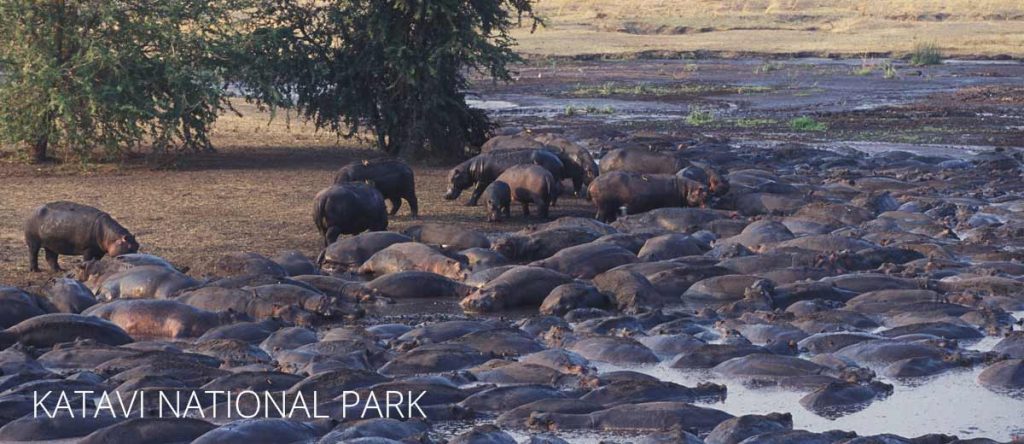
<ul><li>Best travel time for Katavi National Park is the dry season from May to October or from mid-December to February. During the rainy season the roads inside the park are often flooded. </li><li>From August to October there is an impressive spectacle when crocodiles and hippos fight to cool the mud in shrinking rivers </li><li>For Mahale National Park best travel time lasts from End of May to September and December to February. </li></ul>

Detailed Overview

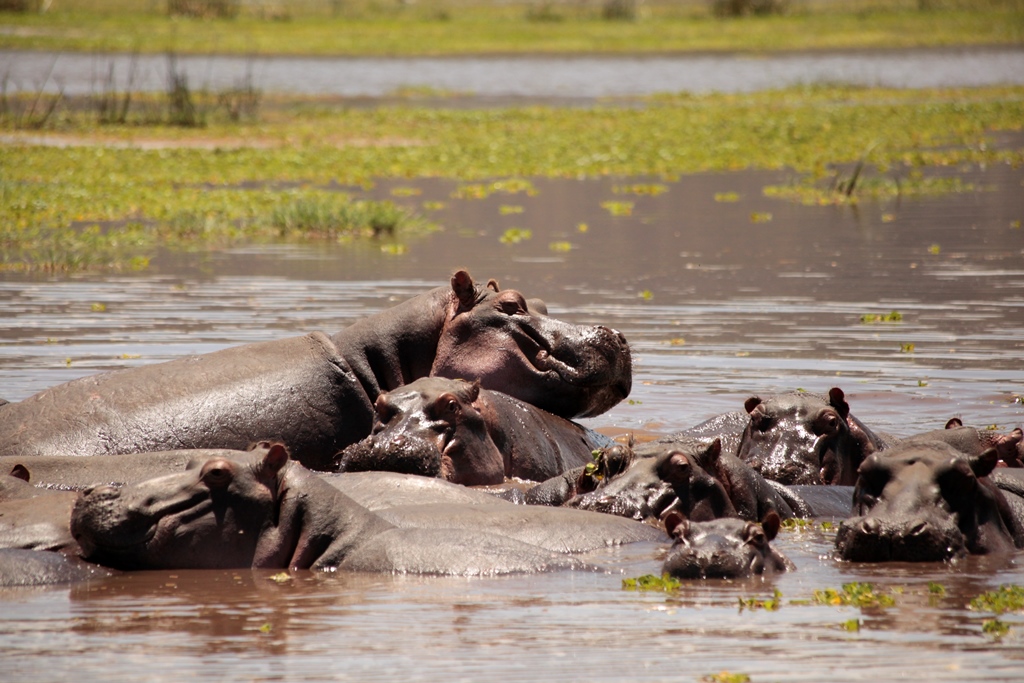
Tanzania’s third largest national park “Katavi N. P.” is located in the remote southwest of the country and is Tanzania’s least visited national park. Here you can still find pristine wilderness and a varied landscape, which is characterized by wide swamps and grassy areas, dense forest, shrubland, lakes and rivers. This is how one imagines the original Africa at the time of the explorers. Most of Katavi is covered with dense Miombo dry forest, which provides shelter for groups of elen, sable and roan antelopes. The real attraction for wildlife watchers is the Katuma River with its alluvial plains, to which the seasonal lakes Katavi and Chada belong. During the rainy season, these swampy lakes attract countless numbers water birds and they feed Tanzania’s densest populations of hippos and crocodiles. During the dry season, the Katuma River becomes a trickle and there is a huge gathering of animals. Thousands of elephants, buffalo, giraffes, zebras and impalas are now drawn to the only remaining source of drinking water, making them easy prey for lions and herds of spotted hyenas. At the end of the dry season there is an extraordinary spectacle when over 100 hippos crowd tightly together in small river pools.

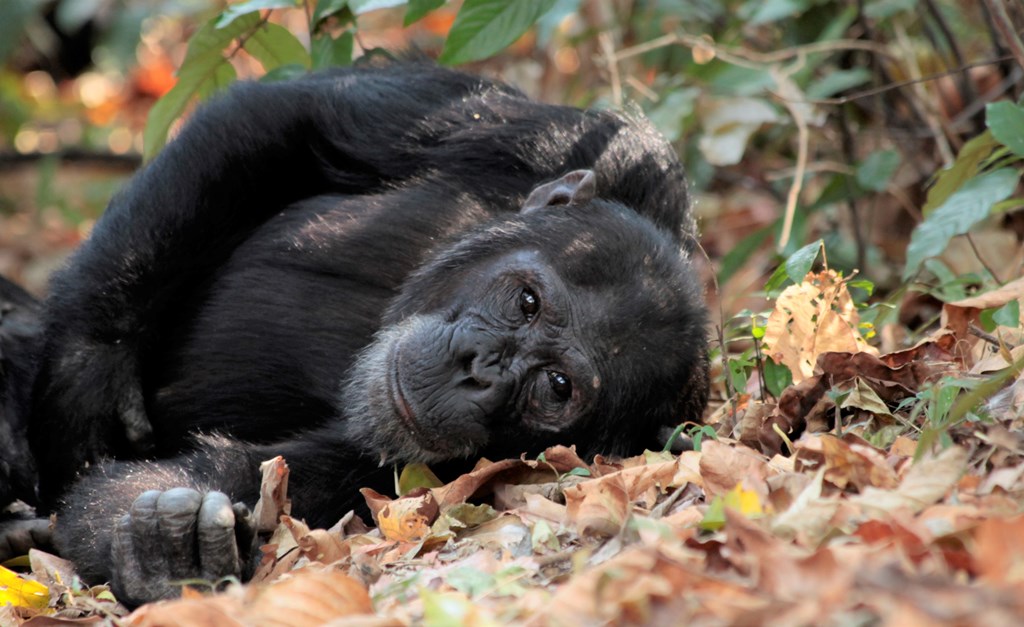
Like its northerly neighbor Gombe N. P., Mahale Mountains National Park is home to last remaining wild chimpanzees in Africa. Around 1,000 of these fascinating animals roam the isolated rainforest of Mahale, a chain of dramatic peaks draped in lush vegetation falling to Lake Tanganyika’s beaches far below. Tracking the Chimps of Mahale is a magical experience. While the Chimpanzees are the star attraction, the slopes of Mahale support a diverse forest fauna, including readily observed troops of colobus, red-tailed and blue monkeys and kaleidoscopic array of colorful forest birds. On a hike on the trail of the chimpanzees, you can trace the Tongwe people’s ancient pilgrimage to the mountain spirits, trekking through enclaves of rainforest with grassy ridges crisscrossed with alpine bamboo. Mahale Mountains National Park is not only specialized in chimpanzee tracking, but offers many other activities such as boat tours, fishing, kayaking and snorkeling. Lake Tanganyika is the second largest freshwater lake in the world in terms of volume and the second deepest lake after Lake Baikal in Siberia.
Package Inquiry

Repeat the conversion point at the moment interest is highest.

This section is placed after the main content so visitors can ask about dates, travelers, accommodation level, or pricing once they understand the trip.

Inquiry

Ask about 8 Days Fly-in Safari Adventure to Mahale & Katavi National Park

The form can connect to your preferred plugin shortcode, or use the built-in fallback email handler.

Related Packages

More routes travelers often compare

Day Tour to Mkuru Camel Safari

North

Day Tour to Mkuru Camel Safari

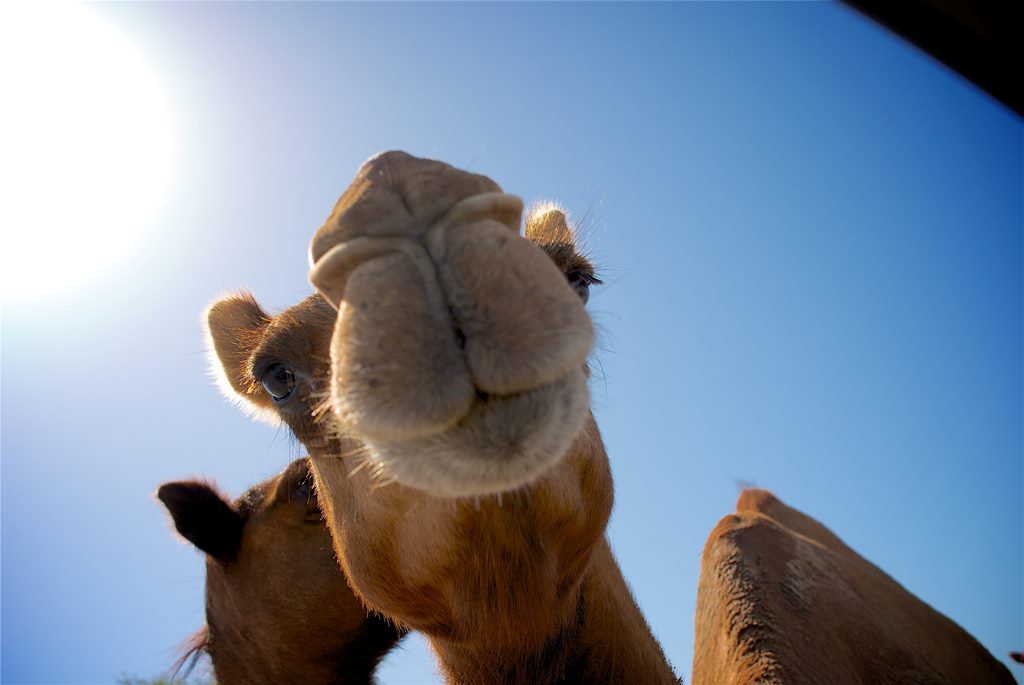
<ul> <li>Enjoy Africa's beauty and wilderness on a Camel back through Maasai land</li> <li>Experience wildlife, Maasai people ‘day to day life’ and the beautiful scenery</li> <li>Contribute to the livelihood of the Maasai tribes</li> </ul>

Best Time: <ul><li> The long rainy season is from March to May </li><li>The short rainy season is in November and December. </li><li>The long dry season is from June through October, </li><li>August is typically the driest month of the year. </li><li>The short, hot, dry season is in January and February</li></ul>
View Package
11 Days Explore the wilderness of Southern Tanzania

South & Coast

11 Days Explore the wilderness of Southern Tanzania

<ul> <li>Relatively unspoiled national parks and therefore still an insider tip</li> <li>Undisturbed safaris due to fewer tourists</li> <li>Different types of game viewing safaris by boat, 4x4 or on foot</li> <li>Explore the pristine wilderness and unique scenic diversity of these parks</li> <li>Home to a large elephant population, large prides of lions and over 500 bird species</li> <li>Best place to see wild dogs</li> <li>Visit the Stone Age ruins of Isimila</li> <li>Enjoy biodiversity and endemism as well spectacular views and gorgeous waterfalls in the Udzungwa mountains</li> </ul>

Best Time: <ul><li> The best time to visit the Southern Circuit national Parks is during the dry season from June to October. It is the best time for wildlife viewing because the vegetation is less dense. The temperature is hot and dry during the day, cooler at night. </li><li>From November to February it becomes more sultry and greener. </li><li>Rainy season is from March to May routes are almost impassable and lodges and camps very often closed.</li></ul>
View Package
Day Tour Historical Bagamoyo

South & Coast

Day Tour Historical Bagamoyo

<ul> <li>On the trail of the past</li> <li>Arabic, German, British history and old colonial buildings</li> <li>Admire the beautifully carved doors of Bagamoyo</li> </ul>

Best Time: <ul><li>Tropical monsoons with long rain falls from March to May </li><li>Short rains fall in November and December </li><li>January and February are hot and humid months with sporadic showers with lots of sunshine </li><li>June to September are cooler, but sunny</li></ul>
View Package