Locally guided Tanzania safaris, beach escapes, and tailor-made adventures.

South & Coast

Zanzibar Island

<ul> <li>Explore Stone town the heart of multicultural Zanzibar</li> <li>Visit historical sites, a mix of Arabian and East African Swahili culture</li> <li>Taste the delicious dishes influenced by African, Arabic and Indian cuisine</li> <li>Enjoy Water sports or a trip with a traditional Dhow</li> <li>Get Immersed in an exotic paradise of beautiful beaches, turquoise blue Water and the scent of spices</li> </ul>

<ul><li>The months of January and February and June to October are considered the best travel time for a beach holiday in Zanzibar. </li><li>There is a weak rainy season in November and December and a stronger one from around mid-March to the end of May.</li><li> However, as in other parts of the world, there are more and more shifts in the rainy season in East Africa.</li></ul>

Detailed Overview

Unguja, the main island of the Zanzibar Archipelago, which consists of several islands in the Indian Ocean, is known under the name Zanzibar. It is the largest island, situated 15 miles from the mainland and can be reached by plane or fast ferry. International flights also land there. Zanzibar has also been known as the spice island for centuries and exports cloves, cinnamon, black pepper and nutmeg around the world.

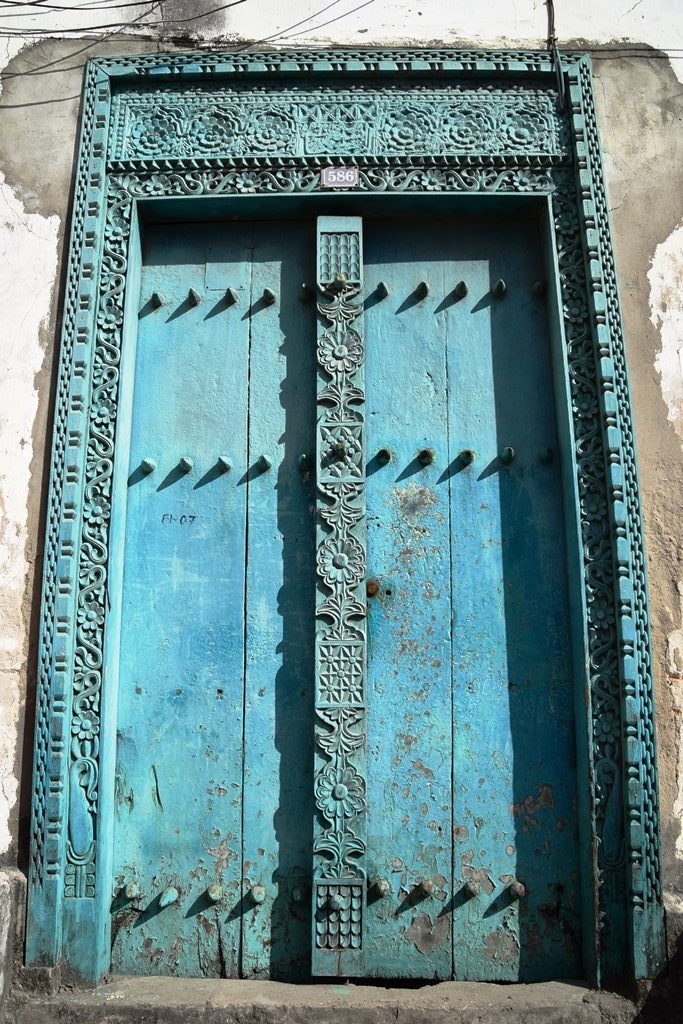
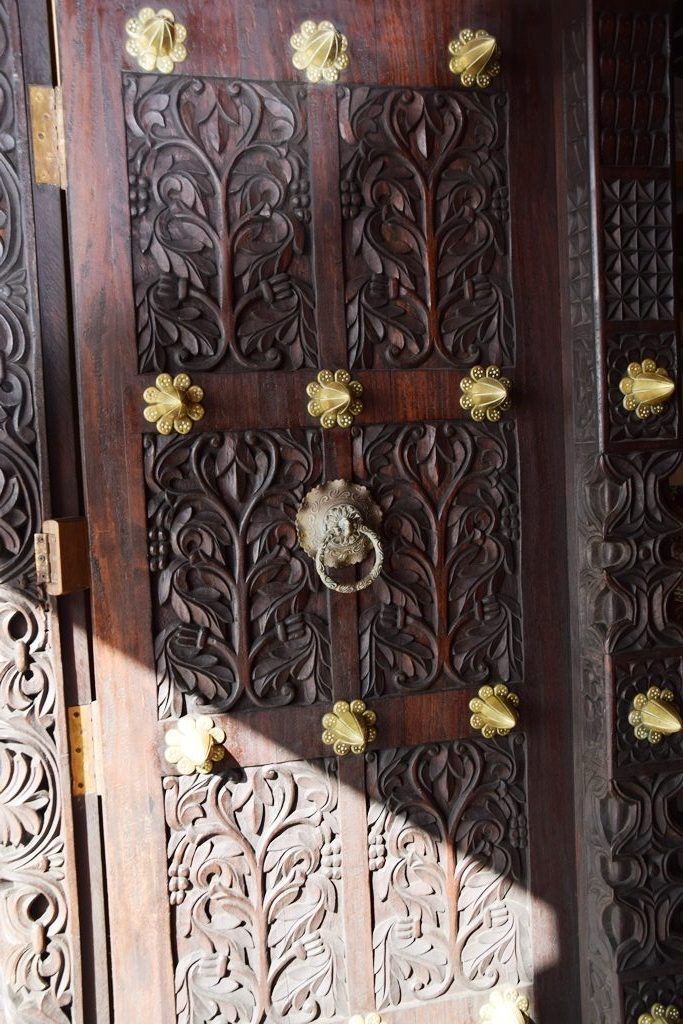
On the west coast lies the capital of the archipelago “Zanzibar Town”, the historical heart of which is called “Stone Town”. The architecture of Stone Town has a lot of special features that result from the mixing of Arab, Persian, Indian, European and African traditions. The name “Stone Town” comes from the ubiquitous use of coral stones as the main building material. This stone gives the city a characteristic, reddish-warm color. Not to forget the Zanzibari houses with their finely decorated wooden doors. While strolling through the narrow streets of the seemingly wildly lined up houses you will pass a colorful mix of small shops that offer everything from spices and everyday goods to fabrics. In the morning hours it is worth visiting the fish market, where there is a lot of activity and when it gets dark, enjoy exotic dishes from the small cookshops in the Forodhani Food Market near Forodhani Gardens.

On a sightseeing tour you will pass the birthplace of Freddy Mercury, the restored Old Dispensery, which was built in honor of the throne jubilee of Queen Victoria, the buildings of the sultans in the Sultan’s quarter, the old fortress of the Omanis and also a visit to the palace museum which documents the history and the life of the sultans should not be missing.

Near Stone Town you can visit Changuu Island, also called “Prison Island”, which is a short 20 minute boat ride away. Dozens of giant tortoises live on the island, some of which are over 200 years old. You can also visit the Slave Trade Museum, which documents the terrible history of the slave trade in Zanzibar.

Do not miss a spice tour to one of the countless spice farms, which also means an insight into Zanzibari history and culture.

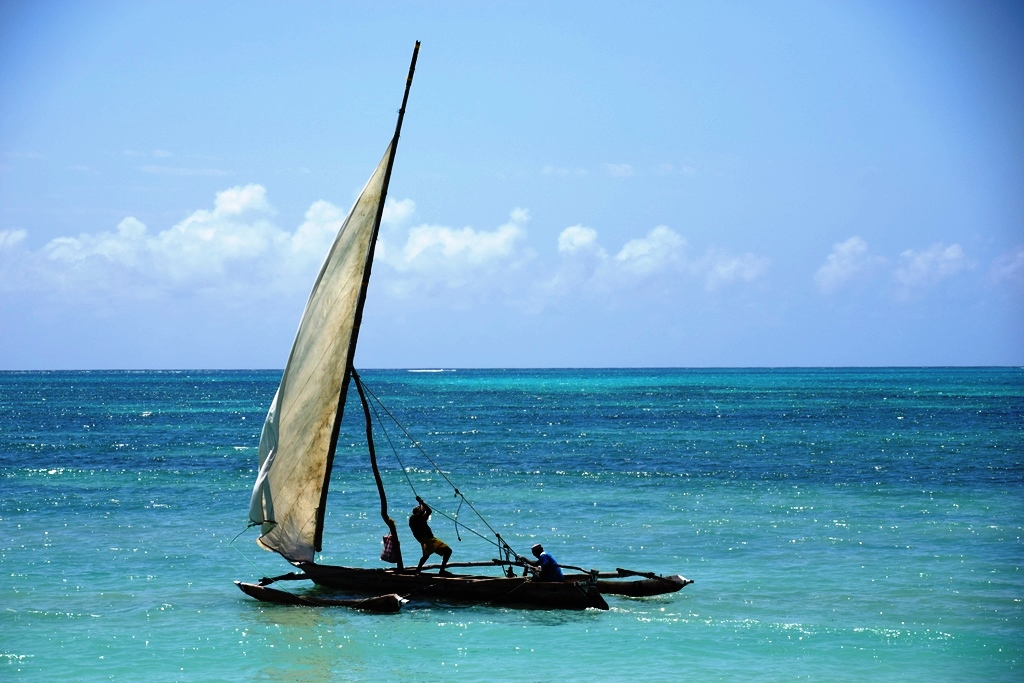
And then, finally enjoy the beach life on the countless white sandy beaches. Be it on the north coast, on the beaches of Nungwi and Kendwa or in the northernmost fishing village of the east coast, “Matemwe”, where the wide sand beach flanked by palm trees is still quiet and not so touristy. Or lounge on the beaches of Paje and Jambiani on the south east coast. Of course, activities such as kite surfing, parasailing, windsurfing, jet?skiing, snorkeling and diving are also offered. Or you can go fishing or take a cruise on a traditional dhow to a sandbank or other islands, including lunch and snorkeling.

The best diving spots you find on the west coast with the offshore islands, in Menai Bay in the south, at Mnemba Island in the northeast and in front of Nungwi and Kendwa. Wreck diving is possible off Stone Town.

On the way to the southern beaches one can visit the small Jozani Chwaka Bay National Park, the last tropical jungle of Zanzibar and watching the Zanzibar red colobus monkeys swinging in the trees.

Almost all tours can be booked through the hotels, which come in a wide variety of categories. Everyone will find a hotel to suit their taste and budget. If you tell us your ideas, we will find the right hotel and the suitable excursions for you.

There is much more to see and do… get in touch with us!
Itinerary

SAMPLE ITINERARY TEXT

Package Inquiry

Repeat the conversion point at the moment interest is highest.

This section is placed after the main content so visitors can ask about dates, travelers, accommodation level, or pricing once they understand the trip.

Inquiry

Ask about Zanzibar Island

The form can connect to your preferred plugin shortcode, or use the built-in fallback email handler.

Related Packages

More routes travelers often compare

6 Days Northern Parks & Culture / Tarangire N. P. – Serengeti  – Ngorongoro Crater – Lake Eyasi

North

6 Days Northern Parks & Culture / Tarangire N. P. – Serengeti – Ngorongoro Crater – Lake Eyasi

<ul> <li>Tarangire: Enjoy tree climbing lions, abundance of elephants, huge baobab trees and termite mounds dotting the hills</li> <li>Ngorongoro: Impressive crater landscape, fantastic views, abundance of wildlife and the Olduvai Gorge with the oldest human bone finds</li> <li>Serengeti: Breath-taking savanna landscape, highest animal density, wildebeest migration</li> <li>Lake Eyasi: Go on an exciting hunting trip with the Hadzabe bushman, a tribe of nomadic hunter gatherers</li> <li>Meet members of the Datoga tribe and learn about traditional life</li> </ul>

Best Time: <ul><li> The dry season between June and October is considered the best time for a safari, but you can also expect good weather in the summer dry season between December and February. </li><li>The wildebeest migration in the Serengeti takes place between July and October. In July, the animals first cross the Grumeti River, followed by the spectacular crossing of the Mara River. </li><li>Between late January and March, over 500,000 calves of the wildebeest are born (that’s 8,000 every day!) and gangly babies dot the landscape. </li></ul>
View Package
Day Tour Pugu Hills Trekking Dar es Salaam

South & Coast

Day Tour Pugu Hills Trekking Dar es Salaam

<ul> <li>Enjoy a short hike in the wilderness</li> <li>Great nature getaway from the fast pace of Dar es Salaam</li> <li>One of the oldest coastal forests in the world</li> </ul>

Best Time: <ul><li>The long rains in the eastern coast of Tanzania start from March until May </li><li>The short rains start from November until December. </li></ul>
View Package
21 Days The best of Western & Southern Tanzania with Mafia Island

South & Coast

21 Days The best of Western & Southern Tanzania with Mafia Island

<ul> <li>Explore Tanzania’s largest thriving tropical metropolis Dar es Salaam</li> <li>Experience wild chimpanzees in their natural environment</li> <li>Explore the pristine wilderness and unique scenic diversity of these relatively unspoiled parks</li> <li>Undisturbed safaris due to fewer tourists</li> <li>Different types of game viewing safaris by boat, 4x4 or on foot</li> <li>Home to a large elephant population, large prides of lions and over 500 bird species</li> <li>Best place to see wild dogs</li> <li>Visit the Stone Age ruins of Isimila</li> <li>Enjoy biodiversity and endemism, spectacular views and gorgeous waterfalls in the Udzungwa mountains</li> <li>Enjoy watersports, beautiful marine life and historic ruins on Mafia Island</li> <li>Relax in a tropical paradise, with white sand beaches, turquoise waters and palm trees</li> </ul>

Best Time: <ul> <li> In general, the best time to travel is June to October. </li> <li> Chimpanzee trekking in Gombe National Park is possible all year round. However, there's a better chance of finding them quickly towards the end of the dry season, which runs from July to October, as they tend to be on the lower slopes. In the rainy season it can take three to four hours to find them. The rainy season is from November to April. </li> <li> The best time to visit the southern national parks is during the dry season from June to October. It is test time for wildlife viewing as the vegetation is less dense. The temperature is hot and dry during the day and cooler at night. </li> <li> From November to February it gets more humid and green. </li> <li> The rainy season is from March to May. The routes are almost impassable and the lodges and camps are very often closed. </li> <li> Mafia Island has two dry seasons: January / February and July to October </li> <li> However, as in other parts of the world, there are more and more shifts in the rainy season in East Africa</li> </ul><ul> <strong><span style="color:red;"> For activities: </strong> </li> <li> The best visibility for diving is from October to February and from June to September in Chole Bay </li> <li> Swim with whale sharks: October to April </li> <li> Humpback whale watching: July to August </li> <li> Baby turtles start hatching: June to August </ul> </li>
View Package