Locally guided Tanzania safaris, beach escapes, and tailor-made adventures.

South & Coast

10 Days Explore unspoiled Southern National Parks by Flight

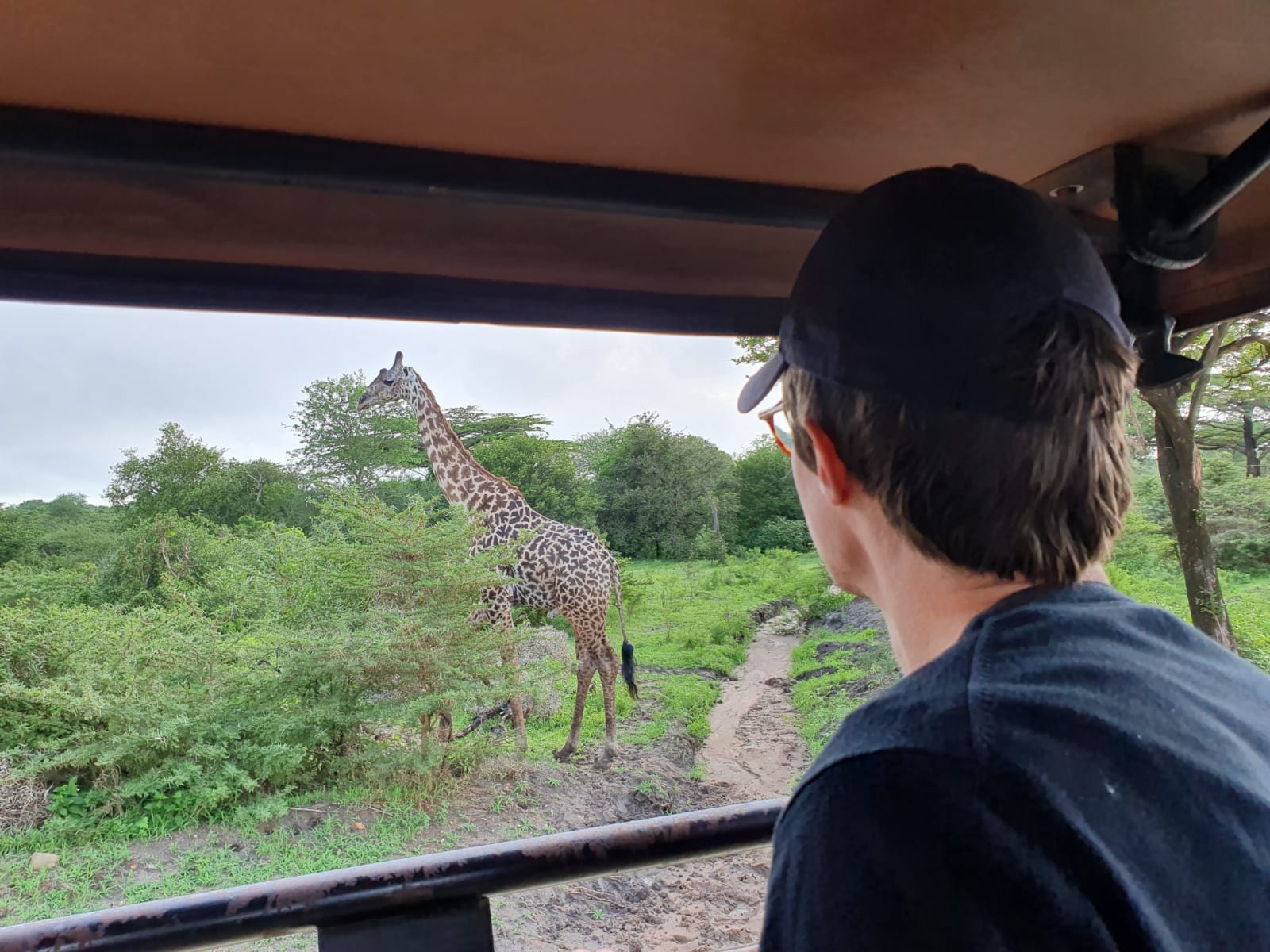
<ul> <li>Relatively unspoiled national parks and therefore still an insider tip</li> <li>Undisturbed safaris due to fewer tourists</li> <li>Different types of game viewing safaris by boat, 4x4 or on foot</li> <li>Explore the pristine wilderness and unique scenic diversity of these parks</li> </ul>

<ul><li> The best time to visit the Southern Circuit National Parks is during the dry season from June to October. It is the best time for wildlife viewing because the vegetation is less dense. the temperature is hot and dry during the day, cooler at night. </li><li>From November to February it becomes more sultry and greener. </li><li>Rainy season is from March to May routes are almost impassable and lodges and camps very often closed.</li></ul>

Detailed Overview

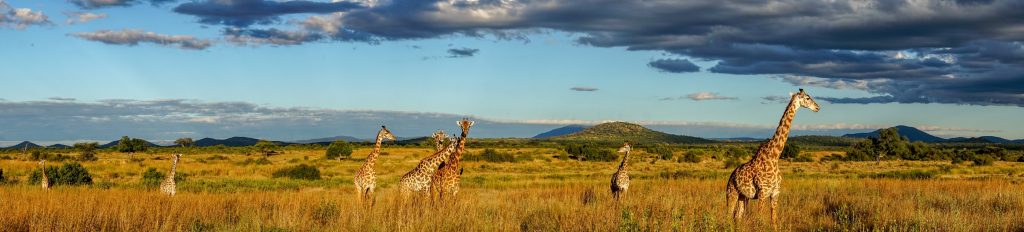
For those who want to avoid crowds of tourists and experience a safari adventure “off-the-beaten-track”, the southern safari circuit would be perfect for that. This fly-in safari includes all the National Parks of the southern safari circuit, the Nyerere National Park (before Selous G. R.), which has been a World Heritage Site due to its biodiversity since 1982, Ruaha National Park and Mikumi National Park. The parks in this region are huge, unspoiled, remote and are full of a spectacular diversity of wildlife and they offer exceptional birding opportunities.

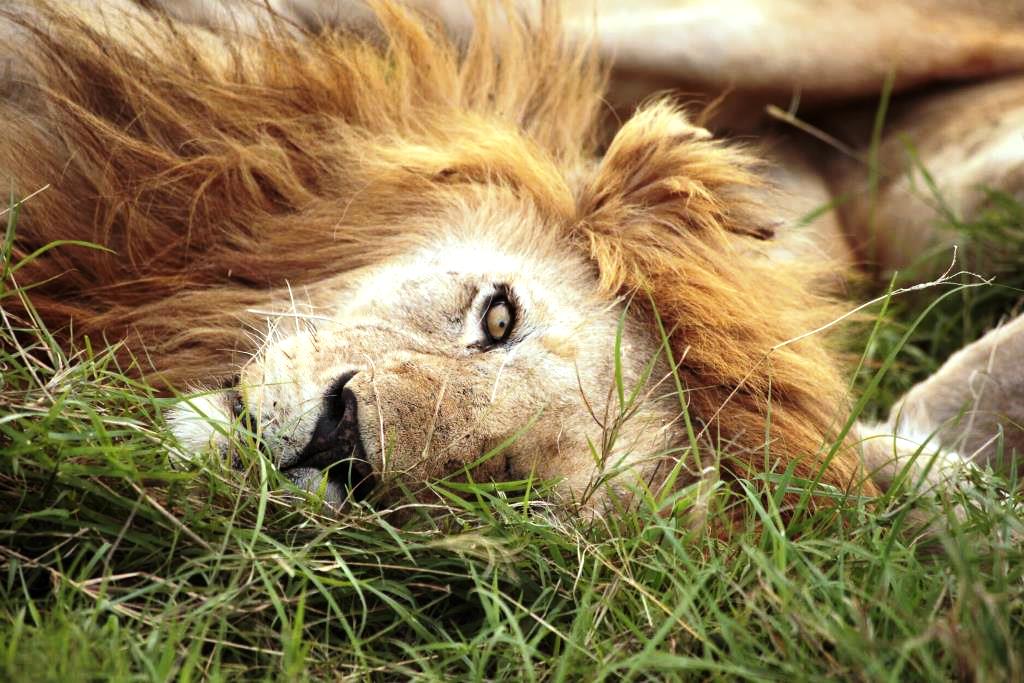
In Nyerere National Park you can find the world’s densest population of the last remaining African wild dogs and there are approximately 3,700 lions – one of the largest populations in Africa. Nyerere National Park has a great variety of habitats such as swamps, open grassland, riverine forests and the Miombo woodlands with impressive baobabs and acacia trees as well doum  and borassus palms up to 30 meters high and mango trees can also be found in well-watered places.

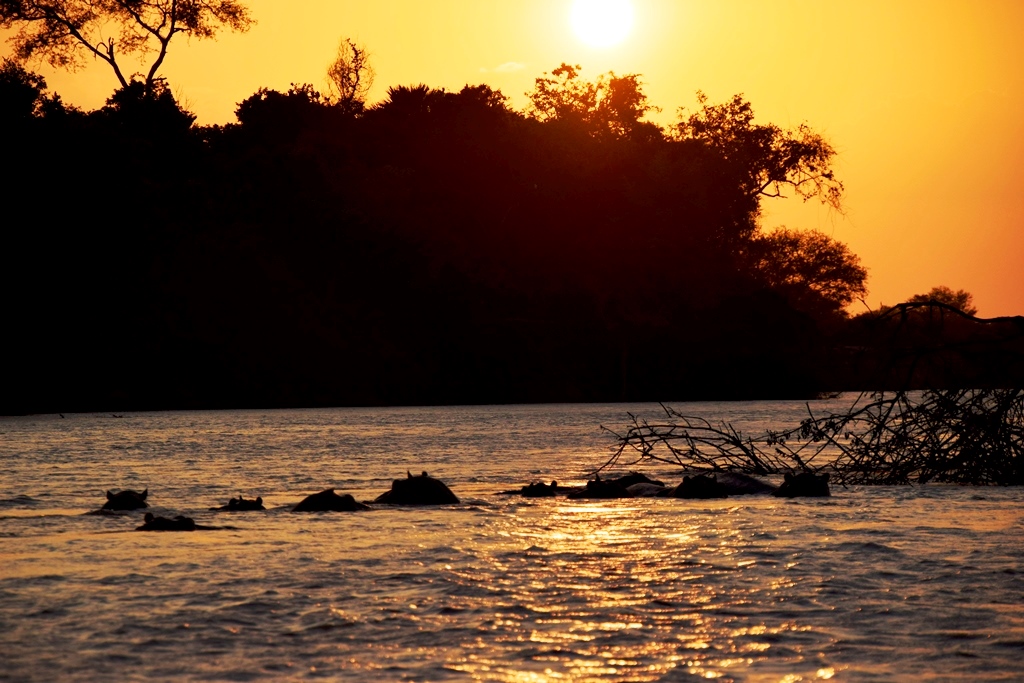
Ruaha National Park, one of Tanzania’s and East Africa’s largest parks, is home to one of the largest elephant populations in the world and is a bird-watching paradise with about 500 species of birds. The source of life for this park is the Great Ruaha River, which attracts large herds and therefore many predators to its banks during the dry season. The southern circuit offers activities that cannot be experienced in the north. For example, guided walking tours, that give you a chance to get closer to nature, and boat safaris, like in Nyerere National Park where the Rufiji River with its numerous side arms and large lakes forms a labyrinth with islands, sandbars and lagoons and you can see crocodiles sunbathe on their banks and hippos wallow in the water.

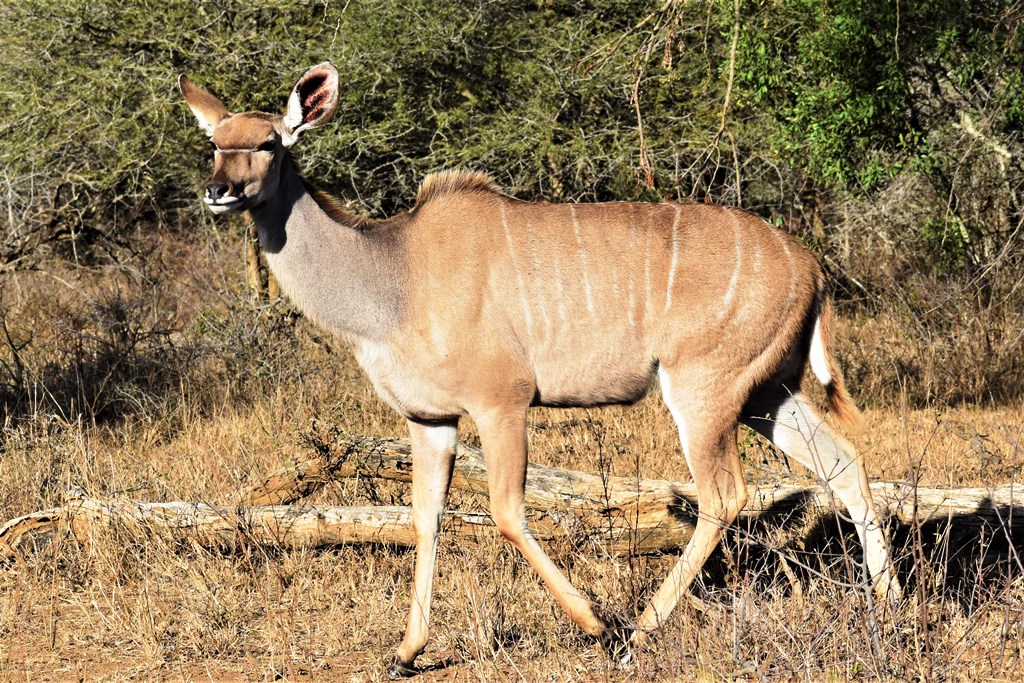
The landscape of the Mikumi Nationa Park is often compared to that of the Serengeti and is considered one of the best observation areas for the biggest antelope in the world – the eland antelope.
Package Inquiry

Repeat the conversion point at the moment interest is highest.

This section is placed after the main content so visitors can ask about dates, travelers, accommodation level, or pricing once they understand the trip.

Inquiry

Ask about 10 Days Explore unspoiled Southern National Parks by Flight

The form can connect to your preferred plugin shortcode, or use the built-in fallback email handler.

Related Packages

More routes travelers often compare

4 Days Nyerere and Mikumi Adventure Experience

South & Coast

4 Days Nyerere and Mikumi Adventure Experience

<strong>Nyerere National Park</strong> <ul> <li>Still relatively unspoiled and an insider tip</li> <li>Undisturbed safaris due to fewer tourists</li> <li>Enjoy the variety of game viewing safaris by boat, 4x4 or on foot</li> <li>Large lakes and rivers</li> </ul> <strong>Mikumi National Park</strong> <ul> <li>Discover the rich wildlife of the Mkata floodplains, home to four of the big five: leopards, lions, elephants, buffaloes</li> <li>Popular for sightings of the world’s largest antelope – the eland</li> <li>Has a wide variety of vegetation types, woodland, swamp and grassland</li> <li>Enjoy the glorious sunrise and sunset</li> </ul>

Best Time: <ul><li>The best time to visit the Southern Circuit National Parks is during the dry season from June to October. It is the best time for wildlife viewing because the vegetation is less dense. The temperature is hot and dry during the day, cooler at night. </li><li>From November to February It becomes more sultry and greener. </li><li>Rainy season is from March to May routes are almost impassable and lodges and camps very often closed.</li></ul>
View Package
4 Days Chimpanzee Encounter Gombe Stream N. P. & Historical Tour

West

4 Days Chimpanzee Encounter Gombe Stream N. P. & Historical Tour

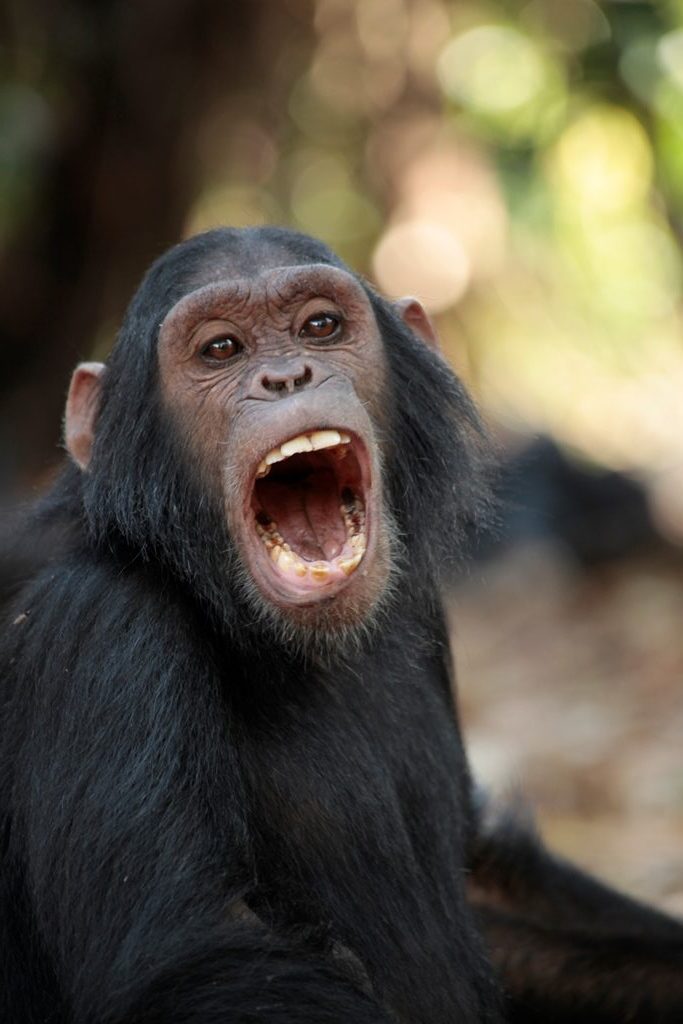
<ul> <li>Experience wild chimpanzees in their natural environment</li> <li>Boat trip on the second deepest and longest freshwater lake in the world</li> <li>Enjoy the beach and the evening starry sky above Lake Tanganyika</li> <li>Take a brief look at the history of the city of Kigoma and the village of Ujiji</li> </ul>

Best Time: <ul><li> Tracking chimpanzees in Gombe national park is possible all year round. However, there is a better chance of finding them quickly towards the end of the dry season, which lasts from July to October, as they tend to be on the lower slopes. In the rainy season, it can take three to four hours to find them. The wet season is from November to April. </li><li>The only private lodge in the park is closed from March to April.</li></ul>
View Package
3 Days Fly-In Safari Nyerere National Park (former Selous G. R.)

South & Coast

3 Days Fly-In Safari Nyerere National Park (former Selous G. R.)

<ul> <li>Still relatively unspoiled and an insider tip</li> <li>Undisturbed safaris due to fewer tourists</li> <li>Enjoy the variety of game viewing safari activities by boat, 4x4 or on foot</li> <li>Large lakes and rivers</li> <li>Experience magnificent safari animals and landscapes</li> <li>Perfect spot for ornithologists</li> </ul>

Best Time: <ul><li>The best time to visit the Southern Circuit National Parks is during the dry season from June to October. It is the best time for wildlife viewing because the vegetation is less dense. the temperature is hot and dry during the day, cooler at night. </li><li>From November to February It becomes more sultry and greener. </li><li>Rainy season is from March to May routes are almost impassable and lodges and camps very often closed.</li></ul>
View Package