4 Days Nyerere and Mikumi Adventure Experience
From $1,480.00
Currency
Switch currency instantly.
Safari Package
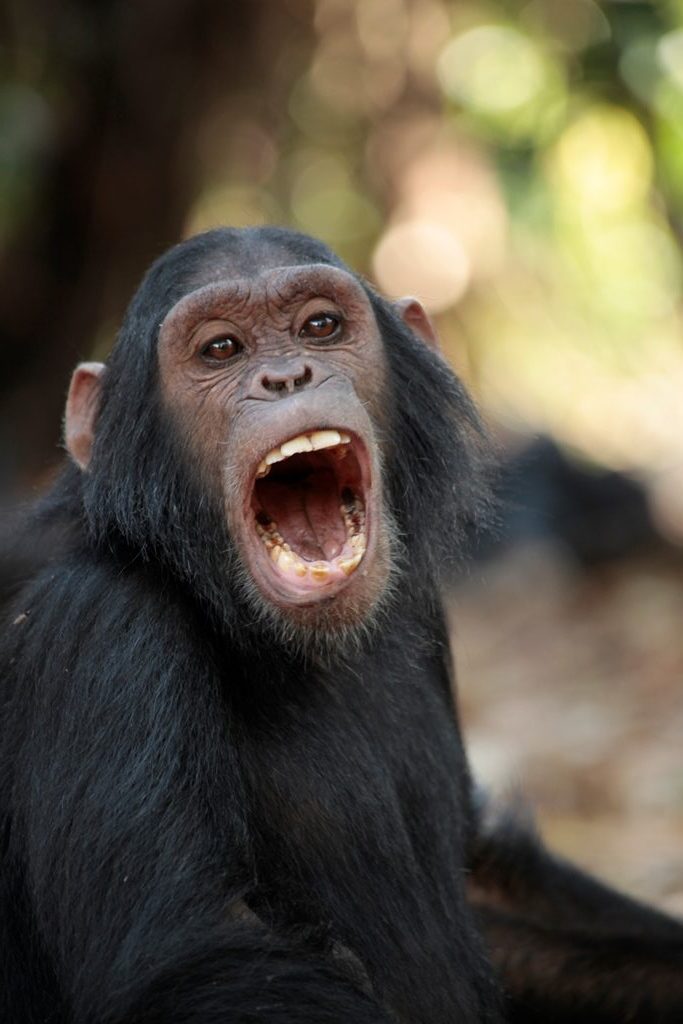
Gombe Stream National Park, the smallest national park in Tanzania, is located in the western region of Kigoma on the wild shores of Lake Tanganyika. Its main attraction are the chimpanzee families that live in the park. This park became famous for Jane Goodall, the resident primatologist who spent many years in its forests studying the behavior of the endangered chimpanzees. But hiking and swimming are also popular activities here, once the day’s expedition to see the chimpanzees is over. Guided walks are available that take visitors deep into the forest to observe and sit with the extraordinary primates for an entire morning — an incredible experience and one that is the highlight of many visitors’ trips to Africa. Besides chimpanzee viewing, many other species of primates live in Gombe Stream’s tropical forests. Vervet and colobus monkeys, baboons, forest pigs and small antelopes inhabit the dense forest, in addition to a wide variety of tropical birdlife.
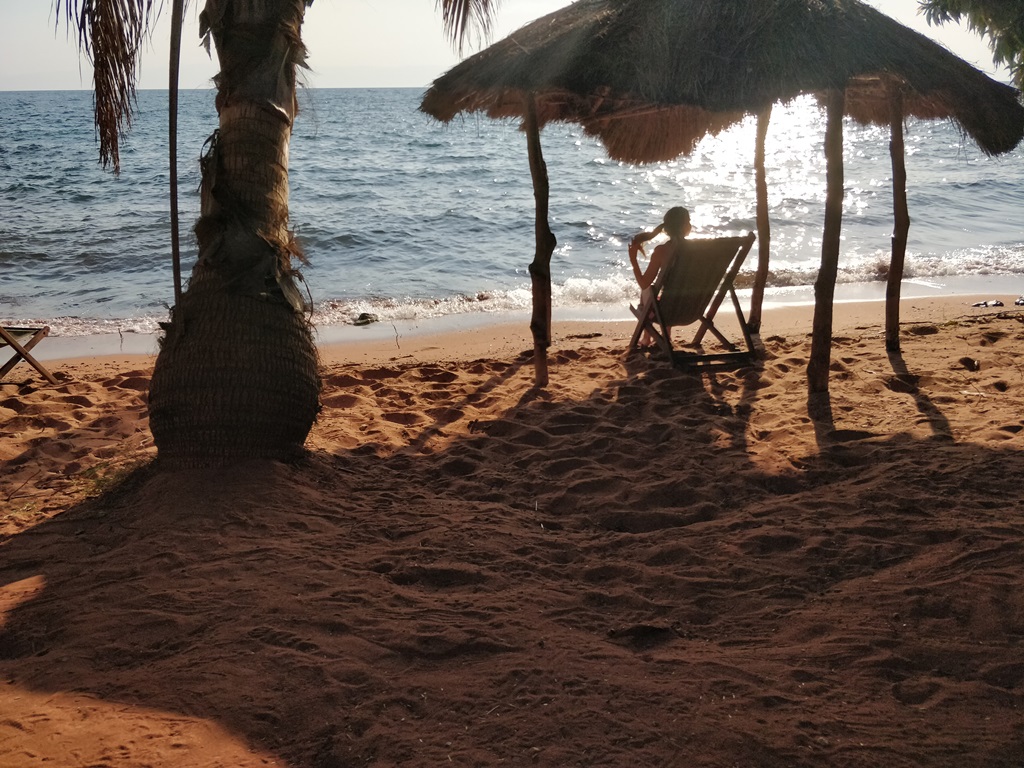
Lake Tanganyika is the second largest freshwater lake in the world in terms of volume and the second deepest lake after Lake Baikal in Siberia.
8 km down the lake shore from Kigoma, Ujiji is one of Africa's oldest market villages that was once an important base for the goods and slave trade from the Congo. Here, the two British explorers “Richard Burton” and “John Speke” were the first Europeans to reach Lake Tanganyika in February 1858. This is where the famous words "Dr. Livingstone, I presume" were spoken by the explorer and journalist Henry Morton Stanley when he found the famous explorer David Livingstone, believed to be dead, in November 1871.
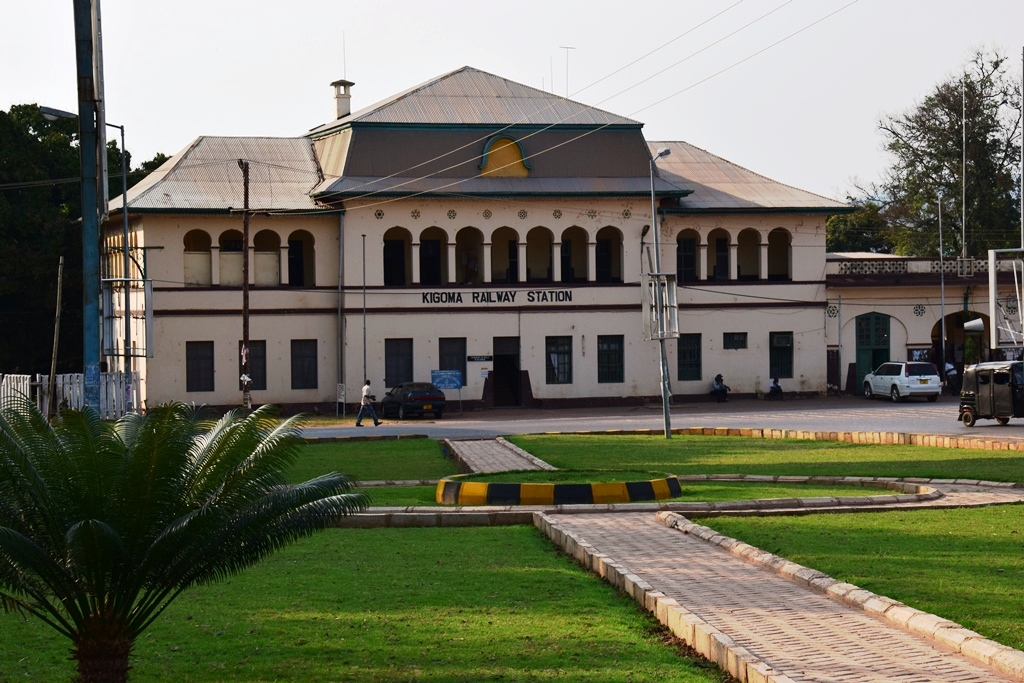
Scheduled flight to Kigoma. On arrival meet & greet and transfer to your accommodation. After lunch, free time and later a sightseeing tour of Kigoma and a visit to the village of Ujiji. Visit the terminus of the "Kigoma Railway Station" of the Central Line Train from the German colonial era and the Kaiser House" that was built for the German Emperor. In the tiny town of Ujiji we visit the stone monument with the offshoots of the original mango trees, under which the two explorers Henry Stanley and Dr. David Livingstone met, and the adjacent "Livingstone Memorial Museum".
Meals: Lunch, Dinner
Possible Accommodation: Imperial Hotel (budget), Kigoma Hill Top Hotel (mid-range)
After breakfast, departure for the Gombe Stream Nationa Park by boat along Lake Tanganyika. Lunch at the Lodge. If time permits, you can proceed with chimpanzee tracking.
Meals: Breakfast, Lunch, Dinner
Possible Accommodation: Gombe Rest House (budget) or Gombe Cottage / Gombe Forest Lodge (luxury)
After breakfast, chimpanzee tracking and if time permits climb to Kakombe Waterfalls in Gombe Stream National Park.
Meals: Breakfast, Lunch, Dinner
Possible Accommodation: Gombe Rest House (budget) or Gombe Cottage / Gombe Forest Lodge (luxury)
After breakfast, transfer by boat and vehicle to Kigoma airport for your scheduled flight to Dar es Salaam. On the way lunch in Kigoma town. No accommodation at that day
Meals: Breakfast, Lunch
Starting From
We can adjust accommodation level, route pacing, airport transfers, and add-on destinations without losing the core itinerary flow.
Safari FAQ
These answers are built from the adventure route, travel style, season, and planning details already stored in the product.
Our safari packages typically include accommodation, meals, game drives, park fees, and airport transfers. Check the individual package page for the full inclusion list.
East Africa can be visited year-round. The dry seasons (June–October and January–February) offer excellent wildlife viewing. The green season provides lush landscapes and fewer crowds.
You can enquire via WhatsApp, email, or our online planner. Our team will contact you within 24 hours to discuss your dates, budget, and preferences.
Absolutely. All Kedani safaris can be tailored to your travel dates, budget, group size, and interests. Use our Tailor-Made Safari planner to get started.
Request Quote
Tell us your preferred travel dates, number of adults and children, accommodation level, and any add-ons like Zanzibar, cultural visits, or pre/post-safari stays.
Inquiry
Share your preferred travel dates, group details, and any special requests, and we will come back with the right quote and adventure advice.
Related Safaris
From $1,480.00
From $280.00
From $760.00
From $1,500.00