Detailed Overview
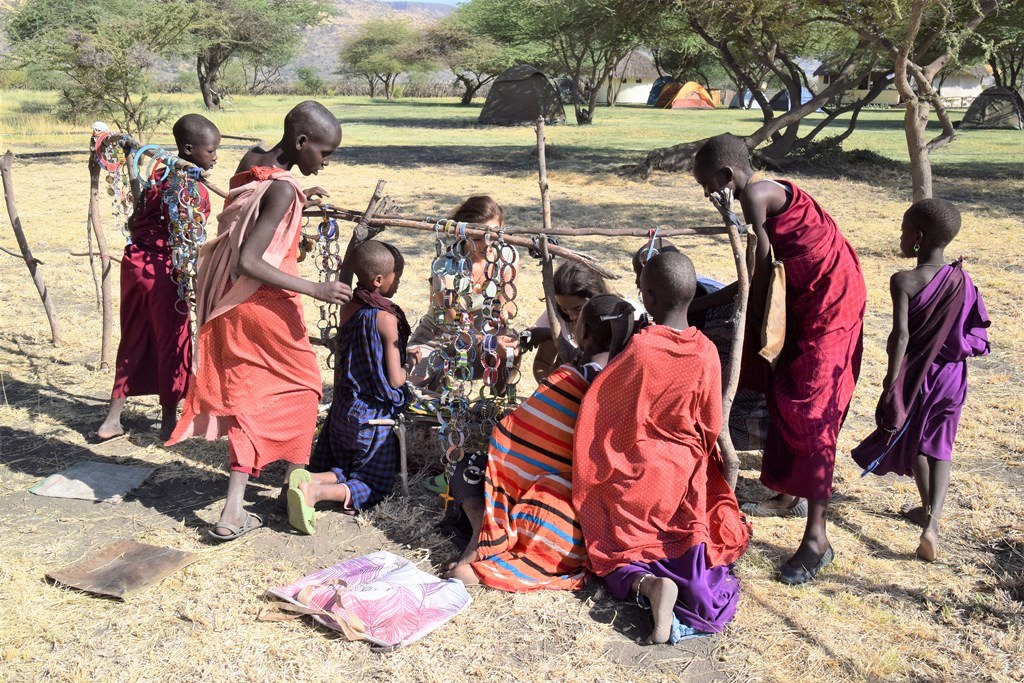
An hour’s drive west of Karatu is the largest of the slightly alkaline Great Rift Valley Lakes. The impressive crater highlands extend to the northeast, while the wide plains of the Serengeti stretch to the north. Only a few tourists visit Lake Eyasi. Anyone who takes the time is enthusiastic. The landscape, the vastness, the wildness, the reduction to the essentials and finally the life of the people, as we can no longer imagine in Western countries, leave no visitor cold. The area is inhabited by Bushmen, the Hadza and the Watindiga, who still hunt with bows and arrows and collect roots, tubers and fruits. Another tribe in this area are the Datoga, skilled farmers and craftsman collecting scaps of iron, which melt in ingots from which to obtain ornamental objects. In fact, they are skilled smiths and realize arrowheads and other objects that then they barter in exchange for honey and animal skins with the bushmen.
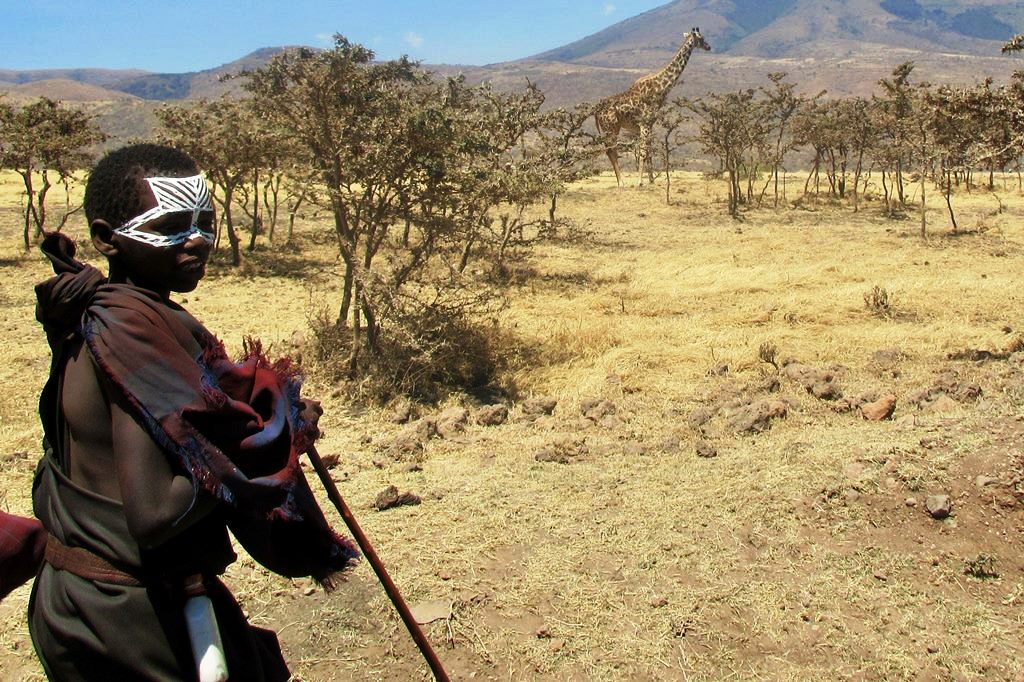
This part of Tanzania is characterized by volcanoes and is a region full of bizarre beauties, the active volcano Ol Doinyo Lengai, the flickering Lake Natron with its abundance of flamingos, the furrowed East African Rift Valley and the endless sand and stone deserts. The path leads around Ngorongoro crater rim, through vast grassland, later through scree deserts and between volcanic peaks. Occasional companions are zebras, ostriches, wildebeests, giraffes and gazelles. During the hike you will pass many Masai Bomas (villages). On Mount Makarot, the tour goes through a wonderful mountain forest, where there are many animal tracks to discover. Another highlight is the Empakaai Crater, which is slightly smaller than the Ngorongoro Crater, little visited and beautiful.
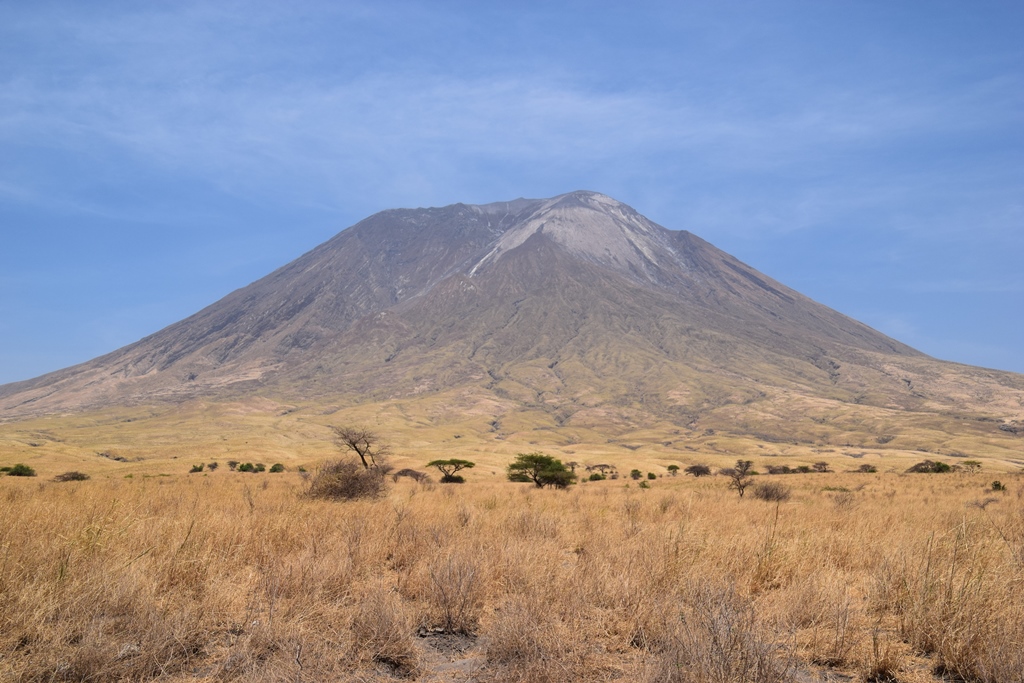
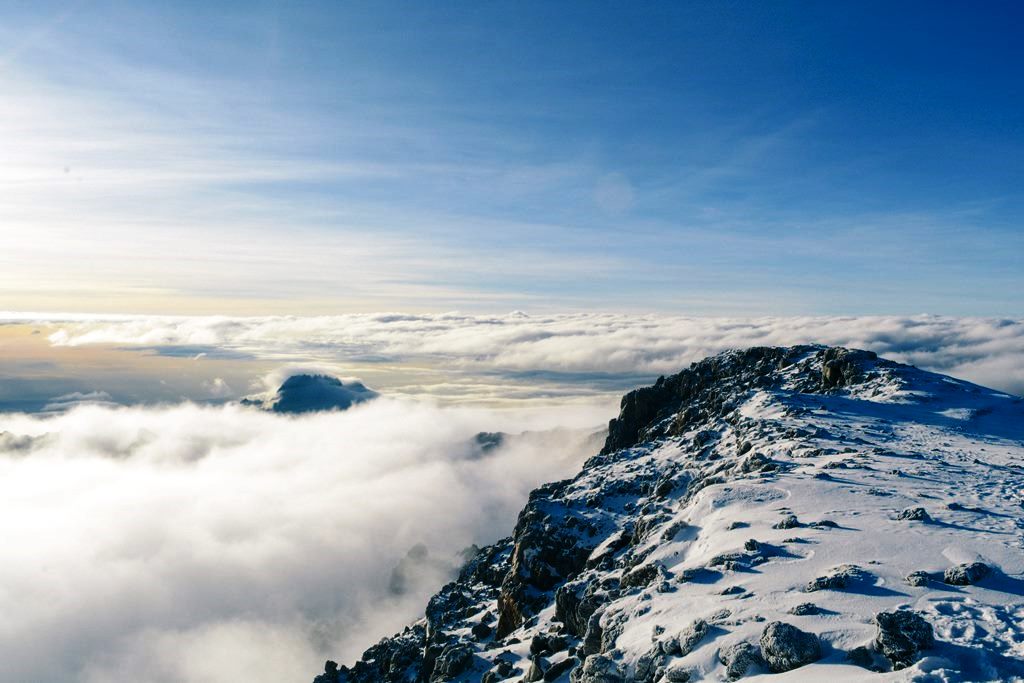
Climbing to the summit [2890 mt / 9481 ft] of Ol Doinyo Lengai, which is locally regarded as the sacred Mountain of God in the Maa Language, is possible without specific equipment but the ascent is challenging because the mountain is very steep. Mt. Ol Doinyo Lengai is the only known volcano in the world that erupts natrocarbonatite lava, a highly fluid lava that contains almost no silicon. Natrocarbonatite lava (most fluid lava) is also much cooler than other lavas. During the day most of this lava flows look like fluid black oil. Some feel the lava flows resemble mud like-flows. Natrocarbonatite lava turns white when in contact with moisture. During rainy periods, the lava turns white almost immediately whilst this whitening takes longer during the dry periods.