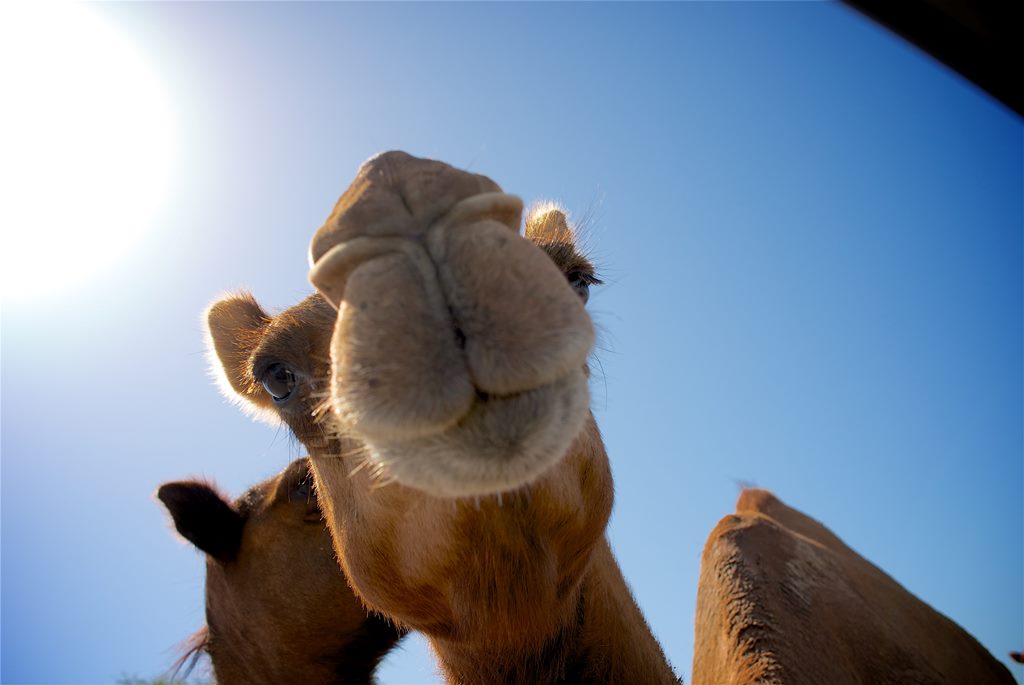
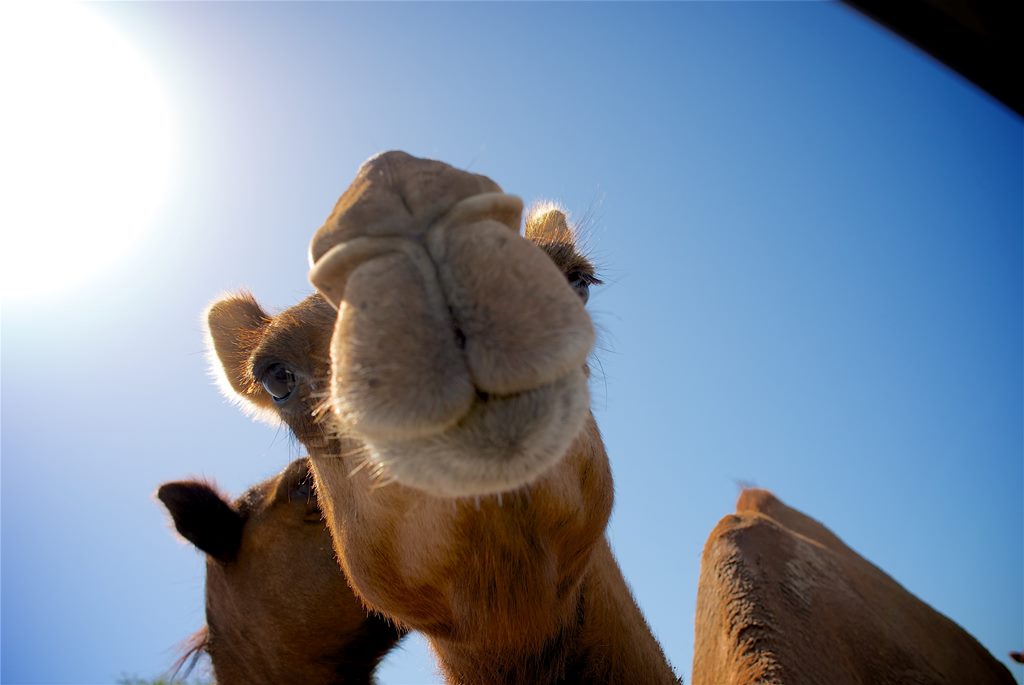
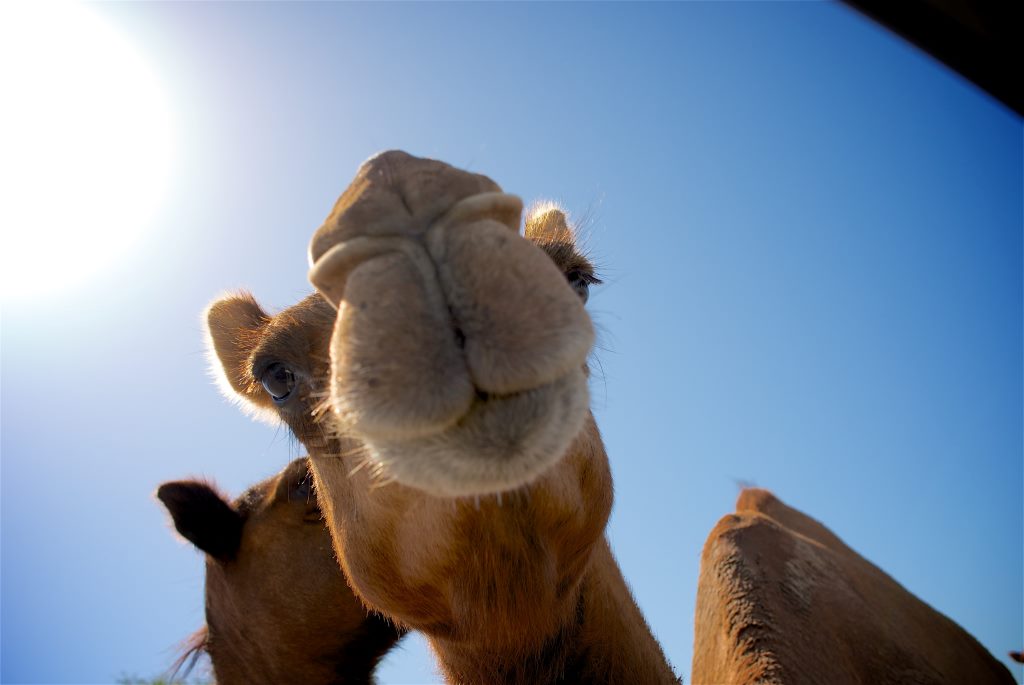
Day Tour to Mkuru Camel Safari
From $130.00
Currency
Switch currency instantly.
Safari Package
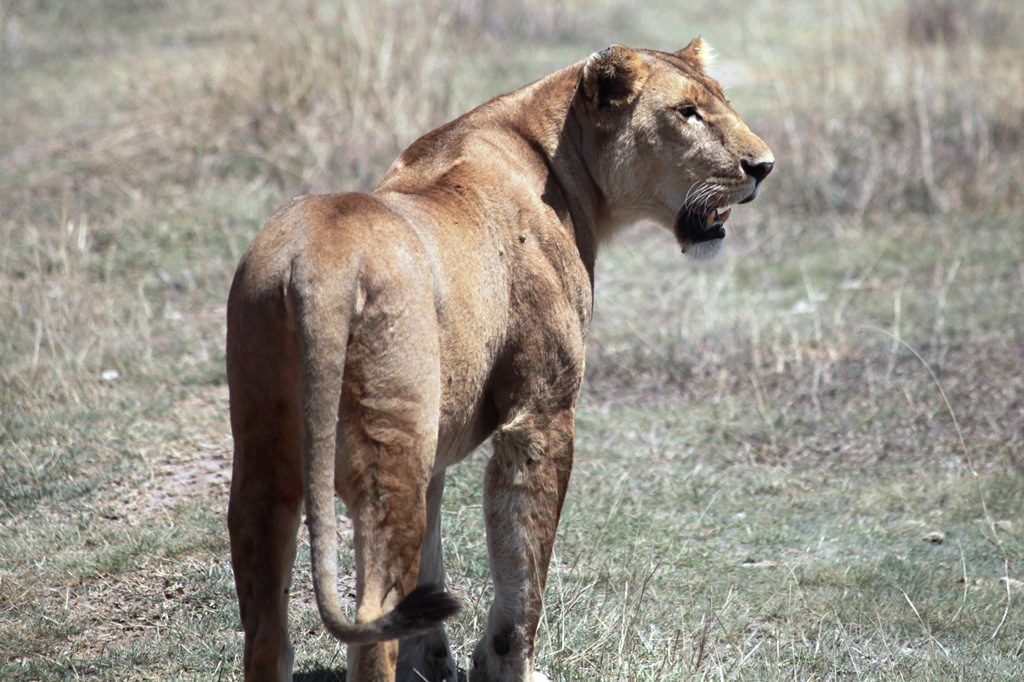
Encounters with wild animals in the national parks, hikes to magnificent waterfalls and through tropical forests, relaxation on white sandy beaches and immersion in the culture of Tanzania, this trip is a colorful mix of unique activities, culture and relaxation.
For those who want to avoid crowds of tourists and experience a safari adventure “off-the-beaten-track”, the southern safari circuit would be perfect for that. The parks included in the southern safari circuit are Nyerere National Park (before Selous Game Reserve), which has been a World Heritage Site due to its biodiversity since 1982, Ruaha National Park, Mikumi National Park, and Udzungwa Mountains National Park.
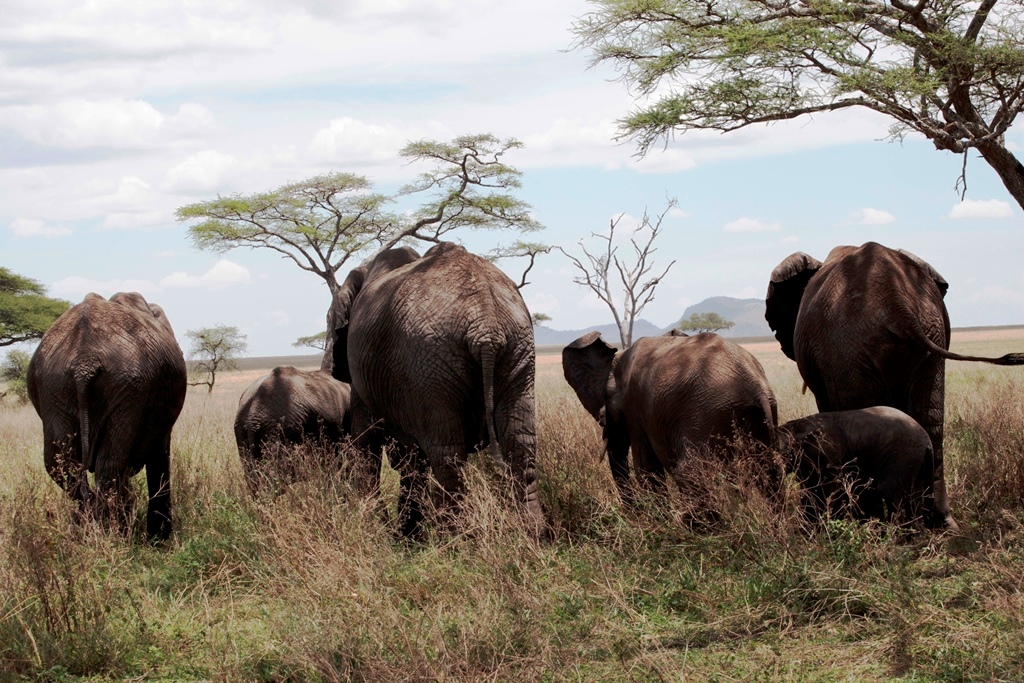
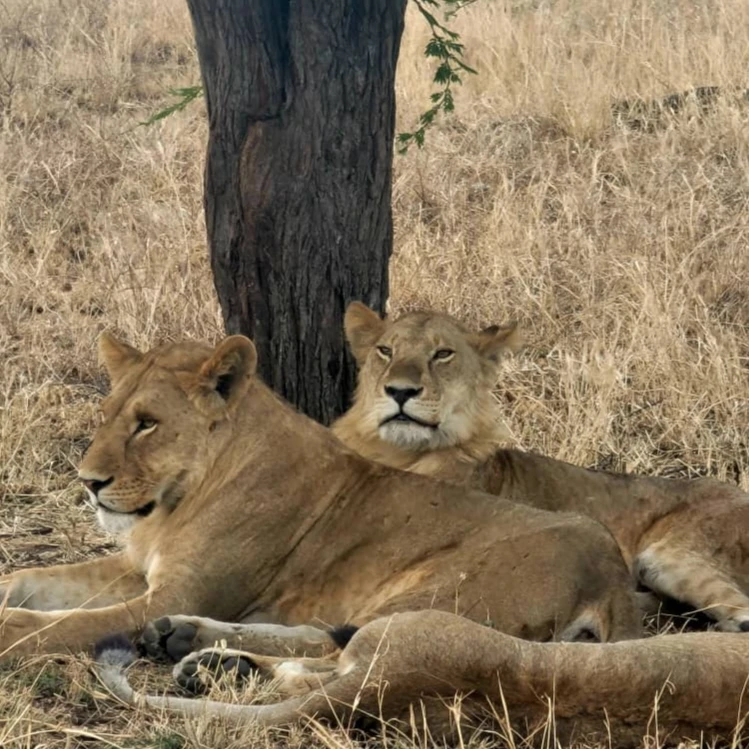
The parks in this region are huge, unspoiled, remote and are full of a spectacular diversity of wildlife and they offer exceptional birding opportunities. In Nyerere National Park you can find the world’s densest population of the last remaining African wild dogs and there are approximately 3,700 lions – one of the largest populations in Africa. Ruaha National Park, one of Tanzania's and East Africa's largest parks, is home to one of the largest elephant populations in the world and is a bird-watching paradise with about 500 species of birds. The source of life for this park is the Great Ruaha River, which attracts large herds and therefore many predators to its banks during the dry season.
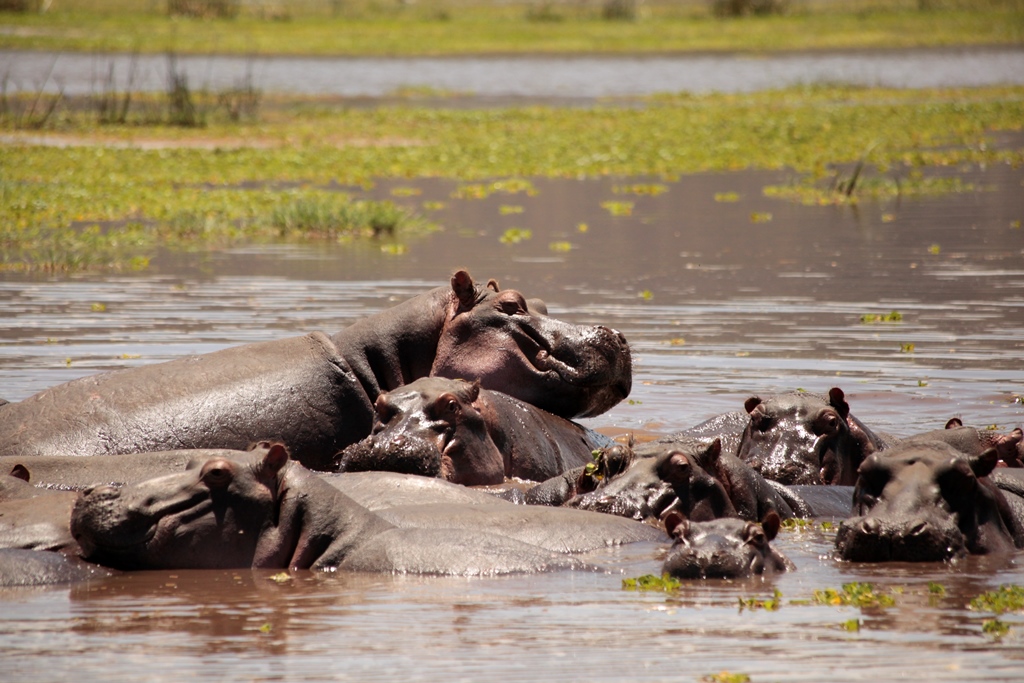
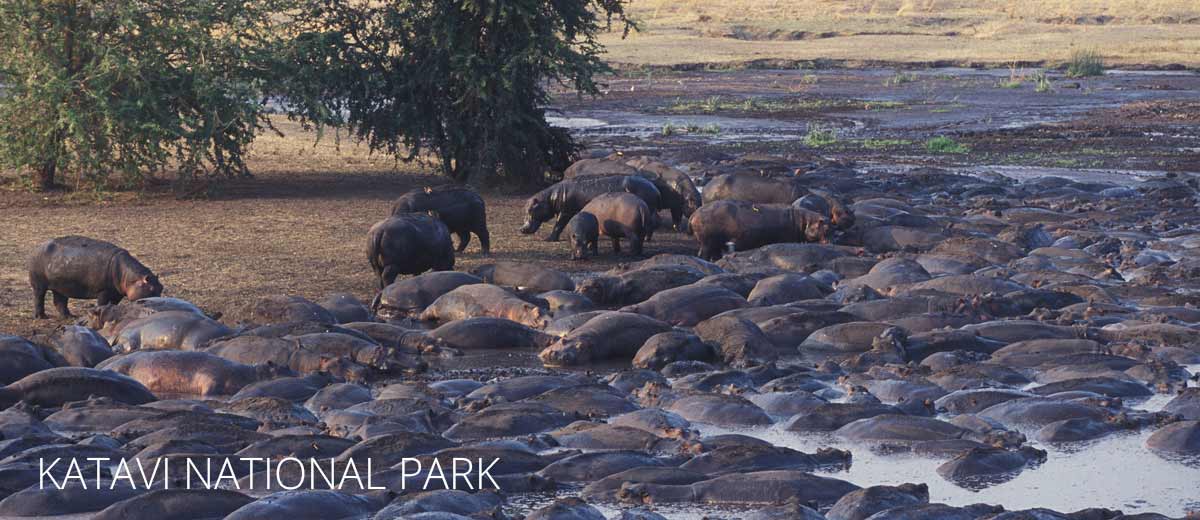
The southern circuit offers activities that cannot be experienced in the north. For example, guided walking tours, that give you a chance to get closer to nature and boat safaris, like in Nyerere National Park where the Rufiji River with its numerous side arms and large lakes forms a labyrinth with islands, sandbars and lagoons and you can see crocodiles sunbathe on their banks and hippos wallow in the water.
The landscape of the Mikumi Nationa Park is often compared to that of the Serengeti and is considered one of the best observation areas for the biggest antelope in the world – the eland antelope. And finally, the Udzungwa Mountains National Park, which is a part of 34 biodiversity hotspots due to its rich levels of biodiversity and endemism. Its massive forest panoramas and variety of gorgeous waterfalls are a great draw for trekkers. The park is home of an important population of primates, including the Sanje Mangabey and the Iringa Red Colobus, which you can find only here. There are 2500 plant species, 25% of which are endemic, and over 400 different bird species have been counted. On the way to Ruaha Nationalpark you can visit the “Isimila Stone Age Site” and the museum with small, well-captioned displays highlighting some of the discoveries. You walk through ancient canyons and pillars. Fossilized bones of mammals; an extinct hippopotamus and over 60.000 years old tools are some of the stone age finds found here.
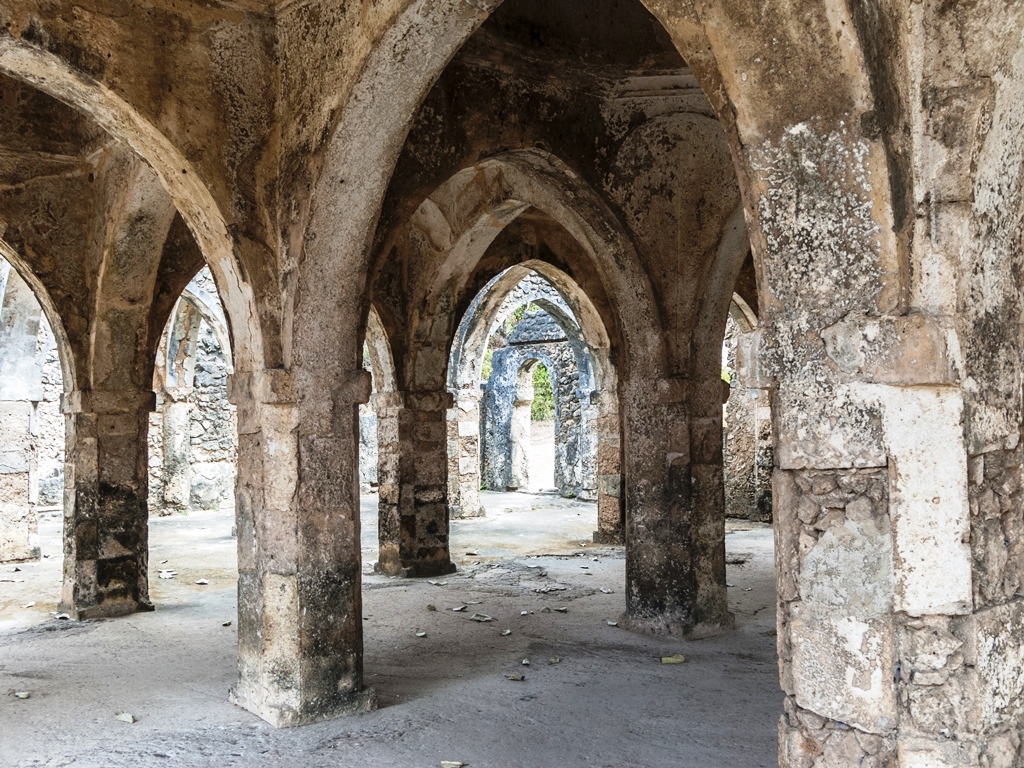
The last highlight are the famous ruins of Kilwa Kisiwani, where a powerful and prosperous settlement was once ruled by independent African sultanates. Kilwa was the center of a vast trade network connecting the ancient Shona kingdoms and Zimbabwe's goldfields with Persia, India and China. And as the last stop on this diverse safari you visit the Mnazi Bay-Ruvuma Estuary Marine Park in southern Tanzania, close to the border with Mozambique. This park with its globally significant marine biodiversity is home to important populations of whales, dolphins, four species of turtle and numerous birds. The pristine white sands of Ruvula Beach complete this tropical paradise.
In the Morning after breakfast we will pick you up from your hotel or from the airport in Dar es Salaam and drive to Mikumi National Park where you will arrive in time for lunch. After relaxing, you will set out on your first game drive in the afternoon.
Meals: Breakfast, Lunch, Dinner
Possible Accommodation: Mikumi Cottage or Bastian Campsite (budget), Bastian Lodge (mid-range)
After breakfast we proceed in direction Iringa town where we arrive for lunch. Iringa is a pleasant small town that overlooks the Ruaha River, and which used to be a center of the German colonial administration in the past. In the afternoon you have the possibility to visit the “Isimila Stone Age Site” and the museum with small, well-captioned displays highlighting some of the discoveries. You walk through ancient canyons and pillars. Fossilized bones of mammals; an extinct hippopotamus and over 60.000 years old tools are some of the stone age finds found here.
Meals: Breakfast, Lunch, Dinner
Possible Accommodation: Sunset Hotel or Saivilla Hotel
After breakfast check out and start the journey to Ruaha National Park with game viewing on route. After lunch we start for another game drive until sunset.
Meals: Breakfast, Picnic Lunch, Dinner
Possible Accommodation: Tanapa Bandas or Public Campsite (budget), Ruaha River Lodge or Ruaha Cottage (mid-range), Mwagusi Safari Camp (luxus)
After breakfast we start for a wilderness walking safari, which is accompanied by an armed ranger. On this walk you experience an intimate feeling with the African bush, just like the famous explorers before you. After lunch at the camp, we spend the afternoon watching wildlife in the park. Several breeds of gazelle and antelope, including roan and sable as well as buffalo and various bucks go down to the banks of the river to drink. This attracts lion, leopard, hyena and other carnivores. For the avid birder there are also many avian species to observe.
Meals: Breakfast, Lunch, Dinner
Possible Accommodation: Ruaha Public Campsite (budget), Ruaha River Lodge (mid-range), Mwagusi Safari Camp (luxury)
After breakfast, depart to Udzungwa Mountains National Park with packed lunch and game viewing on the way. You will arrive in the afternoon followed by relaxation and leisure in the Camp/Lodge.
Meals: Breakfast, Picnic Lunch, Dinner
Possible Accommodation: Twiga Hotel (budget), Hondo Hondo Tented Camp (mid-range), Udzungwa Falls Lodge (luxury)
After an early breakfast (early, because you should avoid the hot sun), start walking in this beautiful Park, experience the stunning natural beauty of this park. Picnic lunch in the bush then proceed exploring the area. Enjoy the wonderful Sanje waterfall, endemic “Iringa red colobus” and “Sanje crested mangabey” monkeys, colorful birds and butterflies and the beautiful scenery. On top of the waterfall, you can swim in the refreshing plunge pool. In the evening you can experience the sunset before returning to the camp for dinner and overnight.
Meals: Breakfast, Picnic Lunch, Dinner
Possible Accommodation: Twiga Hotel (budget), Hondo Hondo Tented Camp (mid-range), Udzungwa Falls Lodge (luxury)
After breakfast we drive to Mikumi National Park where we will have a full day game drive with a stop at one of the picnic sites in the park where you can enjoy your picnic lunch coupled with the beauty that nature provides. In the late afternoon we drive to one of the two unique viewpoints to watch the sunset
Meals: Breakfast, Picnic Lunch, Dinner
Possible Accommodation: Bastian Campsite (budget), Bastian Lodge (mid-range)
Early breakfast and departure from Mikumi Nationa Park to Nyerere National Park with lunch on route. This journey takes you through one of the wildest and most untouched areas of Tanzania, up into the Uluguru Mountains across rivers and small local villages and farms. The drive is tiring but possibly the most rewarding and adventurous on the southern circuit. Whenever necessary, we take a break. In Nyerere National Park there will be a game drive on route to the camp.
Meals: Breakfast, Lunch, Dinner
Possible Accommodation: Selous Ngalawa Campsite and Lodge (budget), Mloka Safari Lodge (mid-range), Africa Safari Selous (luxury)
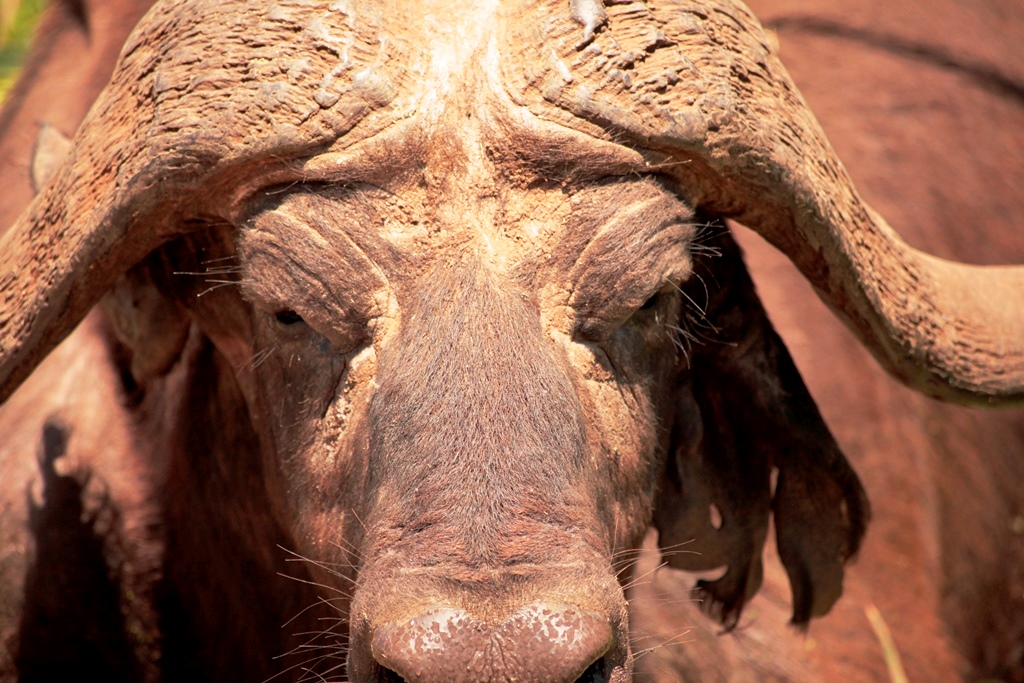
Straight after breakfast, we venture on a full day game drive. Nyerere Nationa Park is home to a large population of elephants, many buffalos and African wild dogs. Other species commonly seen are lion, bushbuck, impala, giraffe, eland, baboon, zebra, kudus and crocodile and hippo.
Meals: Breakfast, Picnic Lunch, Dinner
Possible Accommodation: Selous Ngalawa Campsite and Lodge (budget), Mloka Safari Lodge (mid-range), Africa Safari Selous (luxury)
Accompanied by an armed ranger, to get close to the animals, your walking safari will be an unforgettable experience. Please note that armed rangers love the wildlife and are very knowledgeable about it. In the event of dangerous animals coming close, which rarely happens, a shot in the air is enough to see them off. After a picnic lunch in the bush we drive to the Rufiji River for an afternoon boat excursion. You will see large family groups of hippos and many crocodiles. Perhaps some elephants or carnivores coming down to drink, and many interesting birds. At sundown a short drive takes you back to your camp.
Meals: Breakfast, Picnic Lunch, Dinner
Possible Accommodation: Selous Ngalawa Campsite and Lodge (budget), Mloka Safari Lodge (mid-range), Africa Safari Selous (luxury)
After an early morning, sunrise game drive, we drive back to the camp for breakfast. Then we leave Nyerere National Park with a packed lunch to drive to Kilwa Masoko via Kivinje. The island was under Portuguese control until an Arab mercenary and his men liberated the island in 1512. Today Kilwa Masoko is the major town of Kilwa District with a lively market and beautiful beaches and it is the gateway to the ruins of Kilwa Kisiwani.
Meals: Breakfast, Picnic Lunch, Dinner
Possible Accommodation: Kilwa beach Campsite (budget), Kilwa Ruins Lodge (mid-range), Kilwa Beach Lodge (luxury)
After breakfast you will embark onto a local dhow to Kilwa island. Kilwa Kisiwani was one the main trading port of the Indian Ocean. By the 13th Century Kilwa had become the most powerful city along the coast, exercising political and trading domination. An Arab chronicle lists over forty sovereigns who ruled in Kilwa over a period of five hundred years. Pedro Alvares Cabral, the Portuguese navigator, was the first European to be here with his fleet on the way to India.
Meals: Breakfast, Lunch, Dinner
Possible Accommodation: Kilwa beach Campsite (budget), Kilwa Ruins Lodge (mid-range), Kilwa Beach Lodge (luxury)
After breakfast we drive you to the fascinating old coastal town of Mikindani, which lies in a picturesque bay in the middle of coconut groves. The name Mikindani is probably derived from the Swahili word "Mikinda" (palm) and means: "Near the palms". The afternoon is at your disposal. Stroll the windy streets of this town to soak up the atmosphere and look at the numerous carved Zanzibar-style doors. Or make your way to Bismarck Hill, which rises behind the old boma, for the views from there. Get information from your guide.
Meals: Breakfast, Lunch, Dinner
Possible Accommodation: Mikindani Campsite (budget), Ten Degree South Lodge (mid-range), Old Boma Hotel (luxury)
Today we explore the village of Mikindani with its winding streets and an interesting blend of thatched mud houses and coral houses influenced by Arabic architecture by foot together with you guide. The first settlers to the area were members of the Makonde tribe who settled in the north west of the lagoon. In the 9th century they were joined by Arab immigrant settlers from the Arabian Peninsula. A further influx of Arabs settled in Mikindani in the late 17th century, during the reign of Seyyid Said, Sultan of Oman. In the afternoon we take you on a 35 km drive to Msimbati for dinner and overnight stay directly on the Indian Ocean. – Day 15, 16: Msimbati During these days you can explore the pristine, natural white sand and azure water of southern Tanzania’s coastline. Msimbati is an exceptional place for nature lovers. It is situated in the middle of a marine park. Msimbati has beautiful beaches on a peninsula, close to the Mozambique border. The ocean is ideal for diving and snorkeling due to its beautiful underwater scenery. Msimbati is a wonderful place to combine chilling out with exploring nature.
Meals: Breakfast, Lunch, Dinner
Possible Accommodation: Mikindani Campsite (budget), Ten Degree South Lodge (mid-range), Old Boma Hotel (luxury)
This day depends on the time of the flight; we transfer the clients to Mtwara Airport to catch the flight back to Dar es Saalam.
Starting From
We can adjust accommodation level, route pacing, airport transfers, and add-on destinations without losing the core itinerary flow.
Safari FAQ
These answers are built from the adventure route, travel style, season, and planning details already stored in the product.
Our safari packages typically include accommodation, meals, game drives, park fees, and airport transfers. Check the individual package page for the full inclusion list.
East Africa can be visited year-round. The dry seasons (June–October and January–February) offer excellent wildlife viewing. The green season provides lush landscapes and fewer crowds.
You can enquire via WhatsApp, email, or our online planner. Our team will contact you within 24 hours to discuss your dates, budget, and preferences.
Absolutely. All Kedani safaris can be tailored to your travel dates, budget, group size, and interests. Use our Tailor-Made Safari planner to get started.
Request Quote
Tell us your preferred travel dates, number of adults and children, accommodation level, and any add-ons like Zanzibar, cultural visits, or pre/post-safari stays.
Inquiry
Share your preferred travel dates, group details, and any special requests, and we will come back with the right quote and adventure advice.
Related Safaris
From $130.00
From $120.00
From $100.00