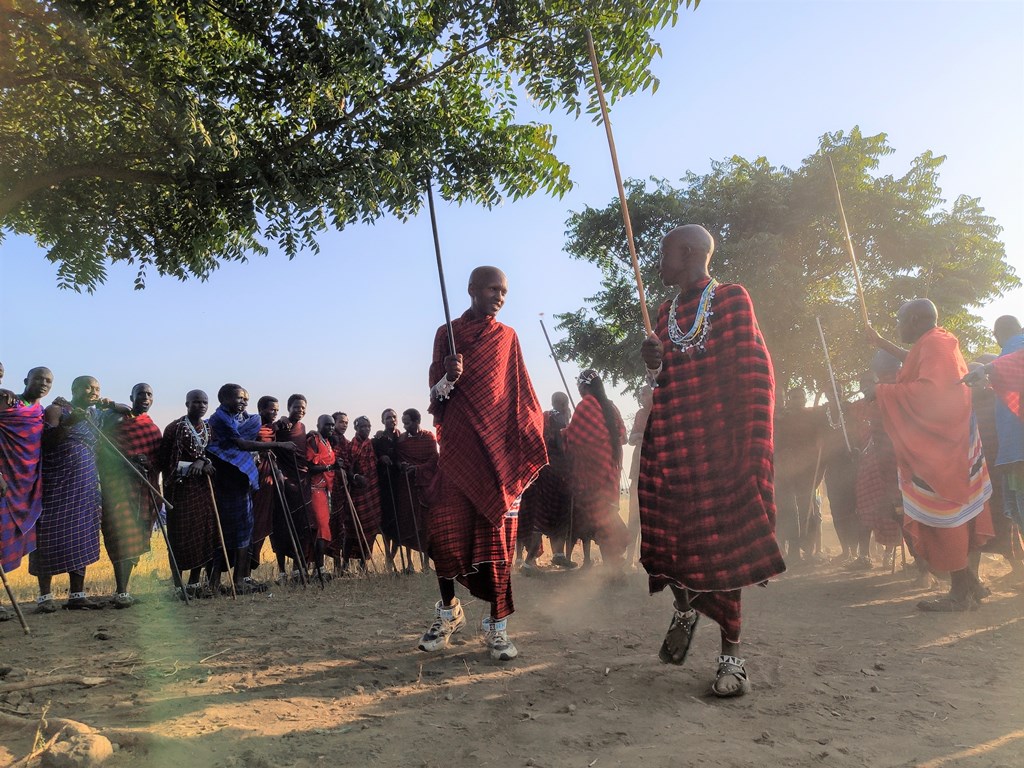
Day Tour to Ol’Doinyo Sambu Maasai Village
From $110.00

Currency
Switch currency instantly.
Safari Package
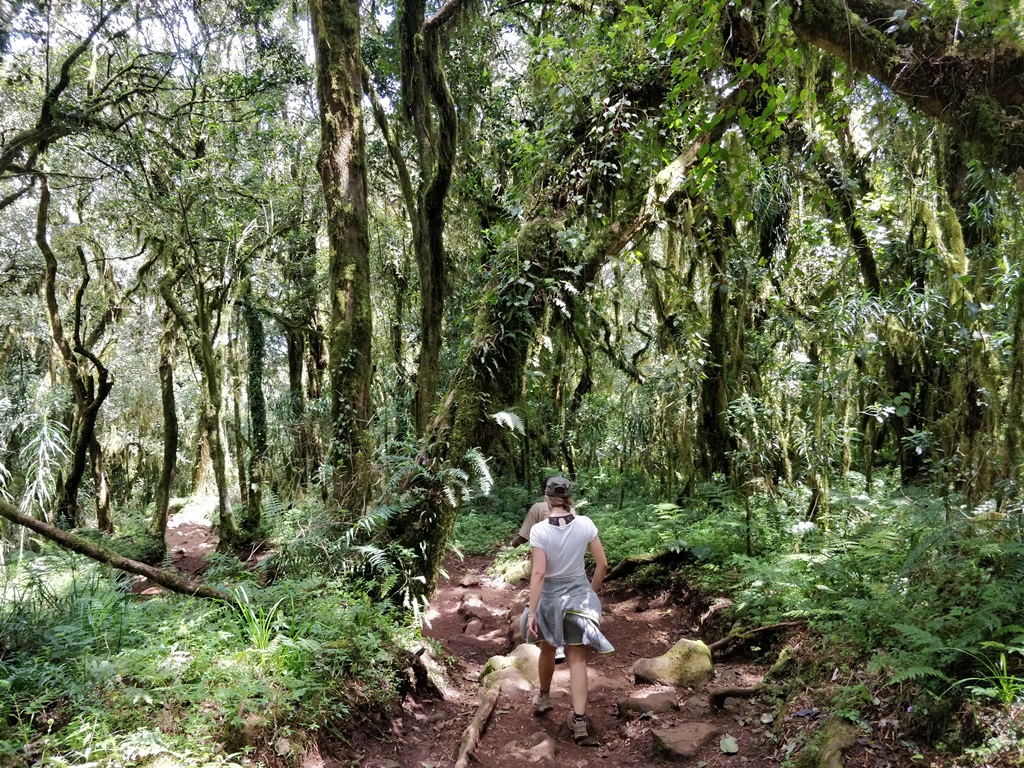
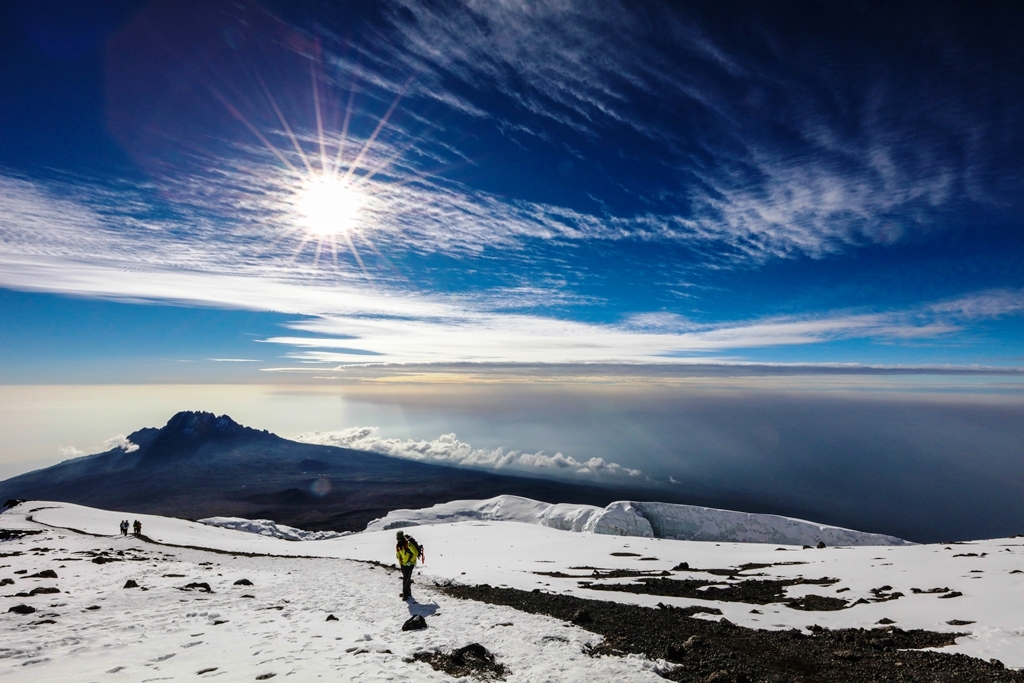
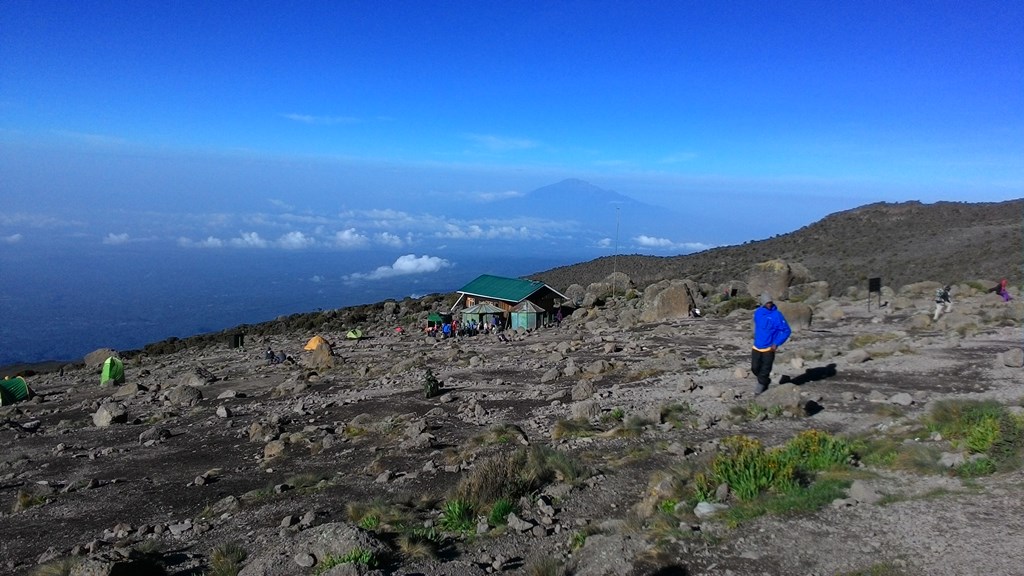
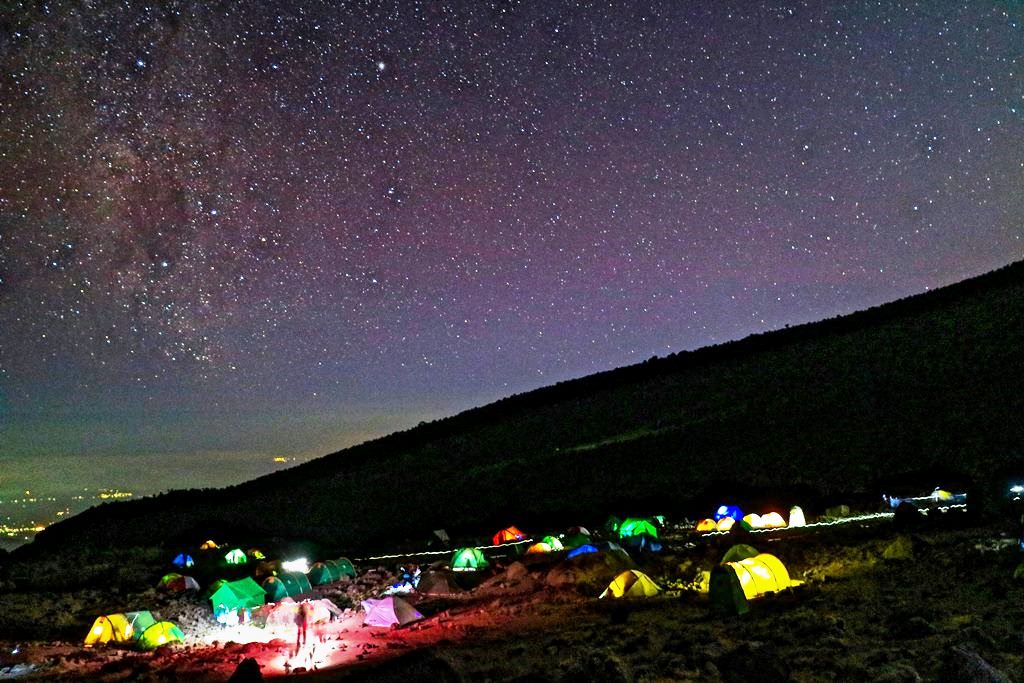
The Marangu Route is one of the easier routes to the summit of Kilimanjaro and the shortest, but you shouldn't underestimate the altitude. It has well developed paths and less steep sections, which lead through a beautiful landscape of rainforest, heath and desert landscapes to the glacier zone. If the weather is fine you can enjoy beautiful views of Mawenzi and Kibo peaks. However, the possibility of acclimatization is less than on other routes and many have had to turn back because of altitude sickness.
The route can be done in 5 days, but 6 days are advisable because of the better acclimatization. This route is a good option for those with no camping experience or who don't like camping, because it is the only route that has the luxury of sleeping huts along the way with evening meals taken in a communal dining area. There are even showers (cold) and some flush toilets. This is, why this route is also called the 'Coca Cola' Route.
1.800m/5,905ft – 2.743 m/9,000 ft Elevation Gain: 915 meters, 3,000 feet
2.743m/9,000ft – 3.720 m/12,200 ft Elevation Gain: 977 meters, 3,200 feet
3,720m/12,200ft via 4.600 m/15,100 ft – 3.720m/12,200ft Elevation Gain and Loss: 880 meters, 2,900 feet
3.720m/12,200ft – 4.750 m/15,580 ft Elevation Gain: 1.030 meters, 3,380 feet
(4.750m/15,580ft – 5.895 m/19,340 ft – 3.720m/12,200ft Elevation Gain: 1.145 meters, 3,760 feet Elevation Loss: 2.175 meters, 7,140 feet
3.720m/12,200ft – 1.800 m/5,905 ft Elevation Loss: 1.920 meters, 6,295 feet Detailed Itinarary
(hiking time: 3 – 4 hours) Leave Arusha or Moshi for Marangu Gate. After your mountain guide has completed the registration, you start your trekking with the first 3 to 4 hours stage to the first hut. For most of the hike you walk along a narrow trail through the rainforest. After having a picnic lunch halfway, you continue hiking through the rainforest to the Mandara hut. You can relax for the rest of the day or take a short walk of 20 minutes to Maundi Crater. On clear days the views to the east over Taveta and to the northwest to Mawenzi Peak are stunning. The A-frame Mandara Huts can accommodate up to seventy people and consist of several sleeping huts and a dining area. All Marangu huts have beds with mattresses.
After the first night on the mountain and a relaxed breakfast you leave Mandara hut for Horombo hut. Today's stage takes you through heath and moor landscape, a rocky landscape with desert-like plants. Picnic lunch will be at Kambi ya Taabu before continuing to Horombo hut. If the weather is clear, you have a wonderful view of Mawenzi peak, the second peak of the Kilimanjaro. Shortly before your arrival at the Horombo hut at about 3 p.m., you will see the first giant Senecias and giant lobelia. Spend the rest of the afternoon relaxing. Although extremely busy, the Horombo Huts are considered the nicest on Kilimanjaro. The small, A-frame buildings can accommodate up to eight people each and provide lodging for hikers ascending, descending and acclimatizing. Horombo can accommodate up to one hundred hikers and many more porters, cooks and guides.
Day three is an acclimatization day. We recommend hiking to the Mawenzi hut and back to Horombo hut to allow maximum acclimatization. The hike increases your chances of reaching Uhuru Peak and rewards you with a wonderful view of Kibo. Return to Horombo Hut for a late lunch. Spend the afternoon and evening in Horombo.
(hiking time: 5 – 6 hours) Leave Horombo Hut after breakfast to hike through the moorland and alpine desert of Kilimanjaro’s upper altitudes. Today you have two options to get from the Horombo hut to the Kibo saddle. The direct route to the Mawenzi saddle (Upper Trail) is very rocky and washed out. The ascent to the saddle takes about 2 hours and then another three hours to the Kibo hut. The so-called Lower Trail is easier to walk. It leads slightly up through a shrub landscape and upland moor. Approx. 1 hour before the Kibo hut you will reach the saddle. The environment is now changing noticeably, it is rocky and rough and more and more resembles a stone desert with red-brown earth. You will reach Kibo Hut around 3 p.m. to rest and prepare for your midnight climb.
(hiking time: up 6 – 8 hours, down 5 – 6 hours) Wake up around midnight for the final ascent to Uhuru Peak, the roof of Africa. After a five-hour hike with a rest at William's Point, about two hours from the Kibo Hut, you reach Gilman's Point at 5.681 m on the crater rim with the first rays of sunshine. The glittering red sun reflects the ice fields and the rugged peaks of the Mawenzi. Although this is considered the easiest of the three crater ascent paths, it is still extremely difficult. The hike from Gilman's Point to Uhuru Peak is a gradual climb and not very difficult. However, the altitude makes the hike long and tiring. The crater rim hike takes about two hours. After reaching Uhuru Peak enjoy this magnificent moment on the roof of Africa! Then take photos of your guide and group before descending to the Horombo Hut. On the way down from the summit, you will see all the magnificent views you couldn’t see on the way up. Stop for a short break with some snacks at Kibo Hut before continuing to Horombo Hut. Reach Horombo Hut in the afternoon and enjoy your last night on the mountain.
(hiking time: 6 – 7 hours) The last day of your hike starts with a relaxed breakfast. Well-strengthened you can start the last stage of your hike. The path leads again through lush green mountain rainforest. Before leaving the national park, the traditional farewell ceremony takes place. Once you arrive at the Gate your summit certificate will be issued, and now it is time to say goodbye to the mountain and your team.
Starting From
We can adjust accommodation level, route pacing, airport transfers, and add-on destinations without losing the core itinerary flow.
Safari FAQ
These answers are built from the adventure route, travel style, season, and planning details already stored in the product.
Our safari packages typically include accommodation, meals, game drives, park fees, and airport transfers. Check the individual package page for the full inclusion list.
East Africa can be visited year-round. The dry seasons (June–October and January–February) offer excellent wildlife viewing. The green season provides lush landscapes and fewer crowds.
You can enquire via WhatsApp, email, or our online planner. Our team will contact you within 24 hours to discuss your dates, budget, and preferences.
Absolutely. All Kedani safaris can be tailored to your travel dates, budget, group size, and interests. Use our Tailor-Made Safari planner to get started.
Request Quote
Tell us your preferred travel dates, number of adults and children, accommodation level, and any add-ons like Zanzibar, cultural visits, or pre/post-safari stays.
Inquiry
Share your preferred travel dates, group details, and any special requests, and we will come back with the right quote and adventure advice.
Related Safaris
From $110.00
From $120.00
From $520.00
From $100.00